
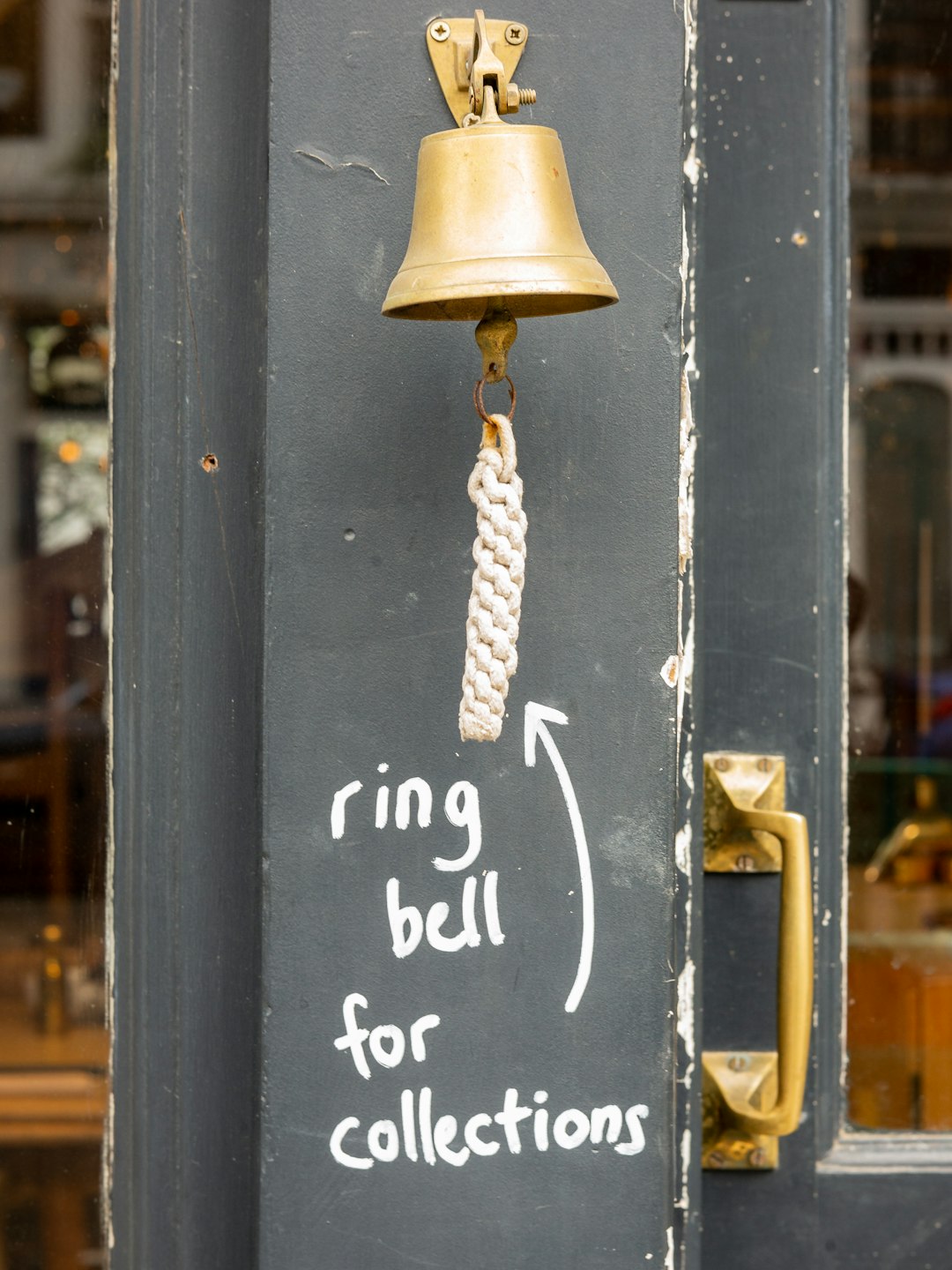
February 1893, Fitchburg, Massachusetts. A boxer named Martin Flaherty is taking a beating from Bobby Burns, wobbling on his feet round after round, and the local paper notes that half a dozen times, he was ‘saved by the bell’ before he could be counted out. It’s one of the earliest known appearances of the phrase in print, and it has nothing to do with graveyards.
Table of Contents
But ask most people where ‘saved by the bell’ comes from and you’ll get a very different, much creepier answer: Victorian coffins wired with bells so the accidentally-buried-alive could ring for help. It’s a great story. It has a villain, a wronged inventor, even a royal honor. It is also, as far as any historian can verify, made up – and tracing how it got invented is a better story than the myth itself.
Quick answer
“Saved by the bell” comes from boxing, not burial. The phrase describes a fighter rescued from a knockout when the round-ending bell sounds, with documented uses from 1890-1893 – decades before the popular ‘safety coffin’ story was even invented.
A groggy boxer and a Toronto ad
The paper trail on this one is unusually good for a phrase this old. Language researcher Barry Popik and etymologist David Wilton, who runs the reference site Wordorigins.org, traced a non-boxing use of “saved by the bell” to a Toronto Globe clothing advertisement from December 12, 1890, touting ‘reduced prices.’ The first clear boxing usage turns up about a month later, in the Seattle Post-Intelligencer on January 30, 1891, describing a fighter rescued by the bell while groggy mid-bout.
Then comes the Fitchburg Daily Sentinel clipping from February 1893 – the one etymologists cite most often – describing Flaherty’s rough 32 rounds against Burns. By the 1890s, prizefighting was wildly popular and heavily covered in American newspapers, and ‘saved by the bell’ was simply ringside shorthand: the bell had ended the round, and with it, a fighter’s trip to the canvas. The Oxford English Dictionary backs the boxing origin, and the phrase didn’t drift into everyday non-sports use until the late 1920s, plausibly boosted by the new medium of radio boxing broadcasts.
The ghost story that wouldn’t die
Fear of being buried alive was very real in the 1800s – medicine had no reliable way to confirm death before the modern definition of brain death arrived in 1968, and premature-burial panic touched everyone from Frederic Chopin to George Washington. Edgar Allan Poe cashed in on the dread with his 1844 story ‘The Premature Burial.’ Inventors did file real patents for coffins with air tubes, flags, or bells meant to signal a revived corpse.
Here’s the catch: researchers who’ve gone looking, including the etymology site Phrases.org.uk and the blog History Myths Debunked, have found no documented case of any such device ever actually saving anyone – and no evidence ‘saved by the bell’ was used in that context before it was already established boxing slang. The coffin-bell explanation is a plausible-sounding legend layered onto a phrase that already had a real, unrelated origin.
The part most people miss
The most-cited version of the coffin-bell myth centers on an inventor named George Bateson and his ‘Bateson’s Belfry’ – a bell-and-string rig that supposedly earned him an OBE from Queen Victoria in 1859 before he burned himself alive out of premature-burial paranoia. It’s a vivid tale. It’s also fiction: independent researcher Jeremy Stern, writing for History News Network, traced it to novelist Michael Crichton’s 1975 book ‘The Great Train Robbery,’ where Crichton – known for blending real history with invented detail – dreamed up Bateson wholesale. The giveaway is baked right into the story: Crichton has Bateson receiving the OBE in 1859, but the Order of the British Empire wasn’t created until 1917, under George V. Victoria couldn’t have given anyone an OBE. The fabrication slipped into real scholarship anyway – a 1975 article in the Bulletin of the History of Medicine cited Crichton’s novel as if it were fact, and later books repeated it from there, giving a novelist’s invention a paper trail that looked academic. It’s a reminder that ‘sourced’ isn’t the same as ‘true’ – a citation just moves the question of who to trust one step further back.
Sources
Wordorigins.org (David Wilton), entry on ‘saved by the bell,’ documenting the 1890-1893 newspaper citations and dismissing the coffin theory as unsupported.
Phrases.org.uk (Gary Martin), ‘Saved By The Bell – Meaning & Origin,’ covering the Fitchburg Daily Sentinel citation and the lack of evidence for the safety-coffin explanation.
History News Network, Jeremy Stern, ‘A Tale Worthy of Poe: The Myth of George Bateson and His Belfry,’ tracing the Bateson legend to Michael Crichton’s 1975 novel and its accidental adoption into academic literature.
Explore more: more word and phrase origin stories.
saved by the bell FAQs
Is ‘saved by the bell’ really from boxing?
Yes. Documented newspaper uses from 1890-1893, including a widely cited 1893 account of boxer Martin Flaherty, describe fighters rescued from defeat by the round-ending bell. The Oxford English Dictionary supports this origin.
Did coffins with bells to prevent premature burial actually exist?
Some patented ‘safety coffin’ designs did exist in the 1800s, reflecting real fears about being buried alive. But there’s no documented case of one ever saving anyone, and no evidence the phrase ‘saved by the bell’ originated from them.
Who was George Bateson, the safety-coffin inventor?
He never existed. The story of ‘Bateson’s Belfry’ was invented by novelist Michael Crichton for his 1975 book ‘The Great Train Robbery’ and was later mistakenly cited as historical fact in academic writing.
Tales You Can Hold
Fun-facts books for curious kids, personalized books that star your child, and more from the FYI Tales Bookstore. Visit the Bookstore.
Photo by the blowup on Unsplash.