
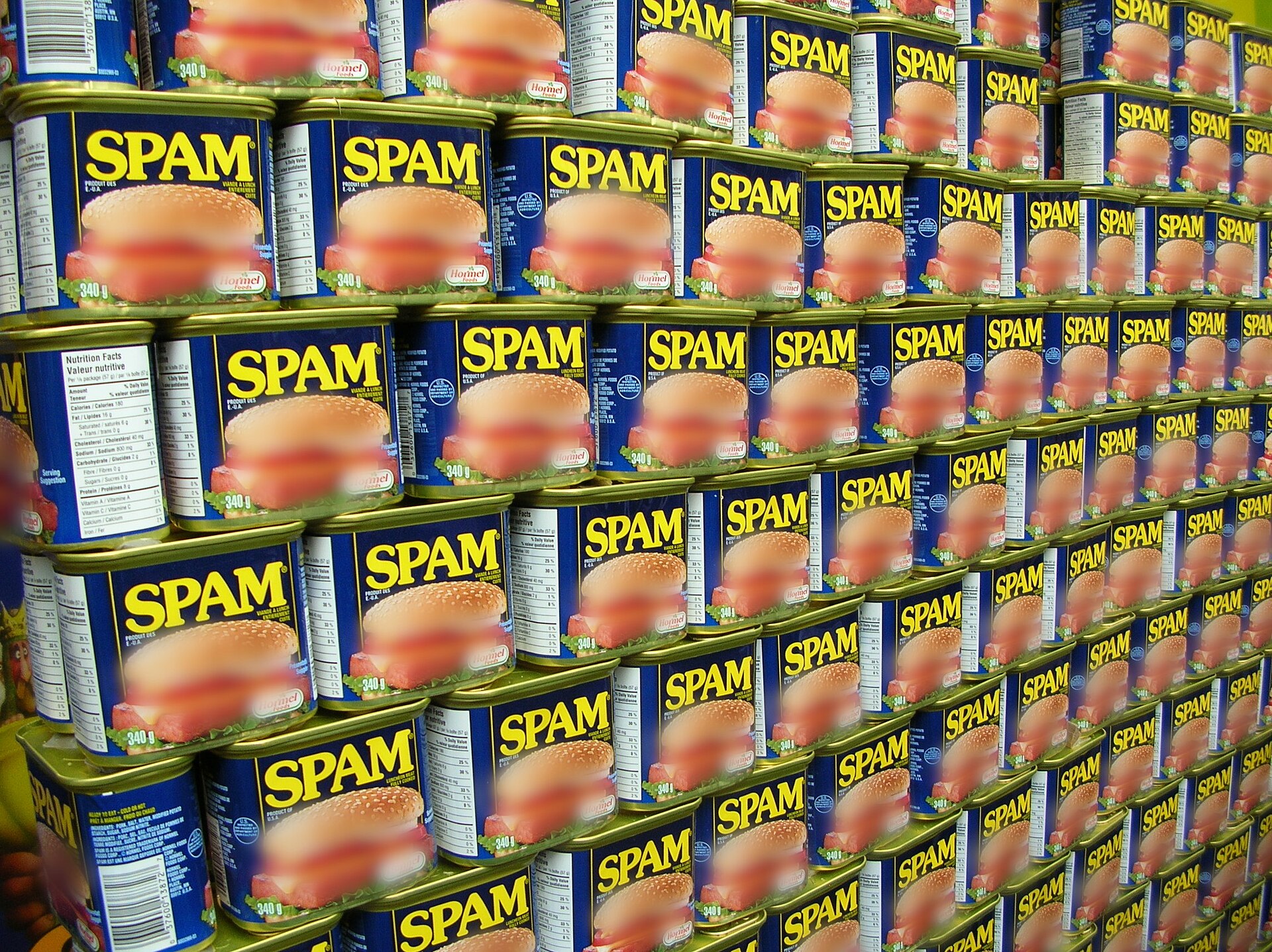
In 1937, an out-of-work New York actor won $100 for a single word — and that word went on to outlast his entire acting career, get sung about by Vikings, name a whole category of junk email, and end up in a museum in rural Minnesota. His name was Kenneth Daigneau, and the word was SPAM.
Table of Contents
Here’s the twist: nearly ninety years later, the company that made him famous still won’t confirm what the letters actually mean. Not officially. There’s a story everyone repeats, a company that guards the real answer like a state secret, and a reason a Depression-era meat surplus needed a catchy name in the first place. All of it checks out — except the one detail everybody wants.
Quick answer
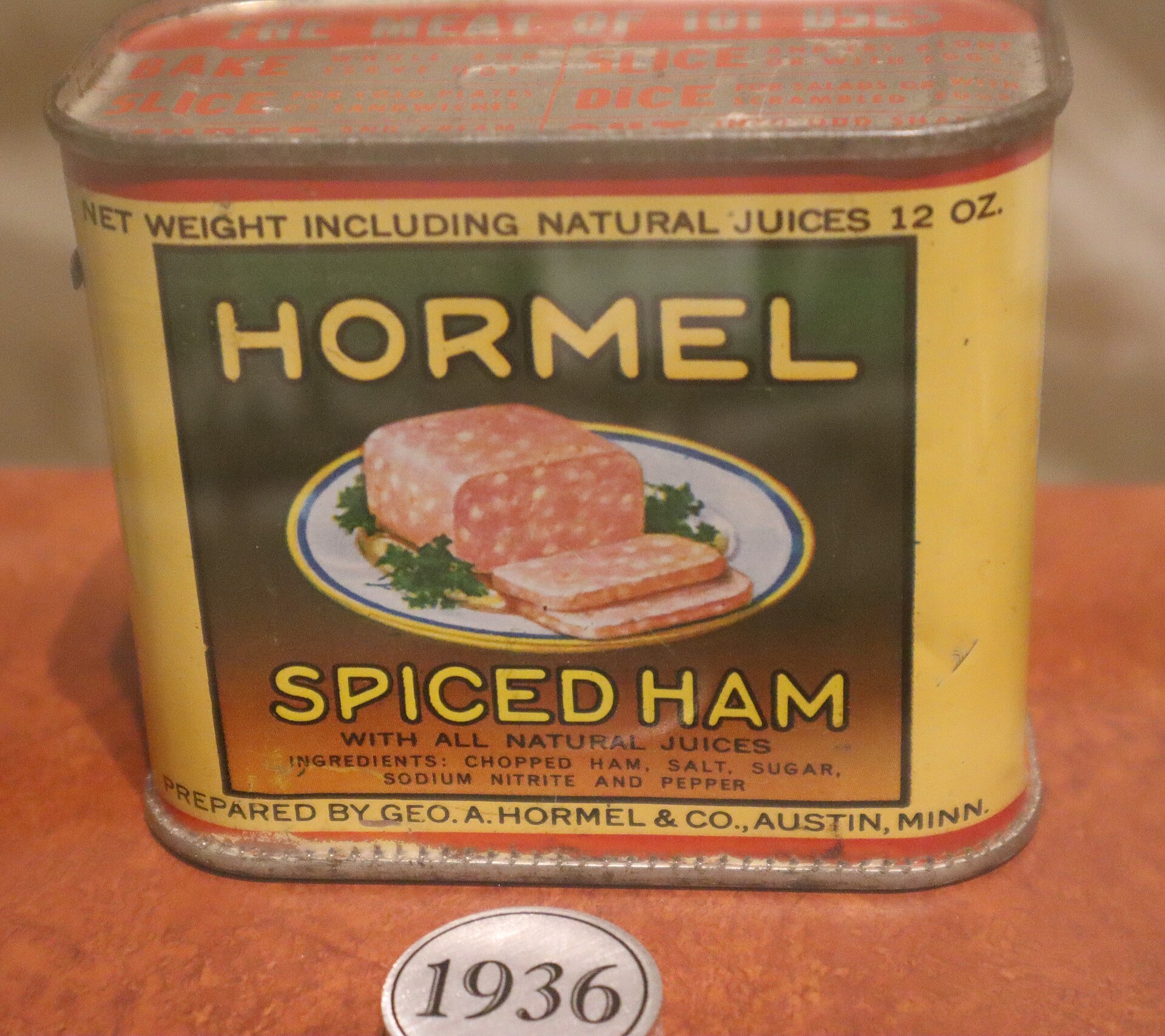
The most credible explanation is that SPAM is a portmanteau of “spiced ham,” coined by actor Kenneth Daigneau, who won a Hormel naming contest in 1937 and pocketed $100 for it. But Hormel Foods has never officially confirmed this — the company states that the true meaning is known only to a small circle of former executives, which is exactly the kind of answer that keeps a legend alive.
A pork surplus and a $100 contest
The George A. Hormel Company in Austin, Minnesota, had a problem in the 1930s: too much unsold pork shoulder and not enough demand for it. Jay Hormel, the founder’s son and the company’s driving force at the time, had already pioneered canned meats through the previous decade. His solution was to grind the surplus shoulder with ham, spices, and a curing agent into a fully cooked product he called, plainly, “Hormel Spiced Ham.”
That name was accurate but forgettable, and Hormel needed something sharper to sell it. So the company ran a naming contest. The winning entry came from Kenneth Daigneau, an actor whose brother, Ralph Daigneau, happened to be a Hormel vice president. He submitted “SPAM,” took home the $100 prize, and the product launched under that name on July 5, 1937.
The secret Hormel still keeps
“Spiced ham” is the theory nearly every source repeats, and it’s the most plausible one — it fits the product’s original name almost exactly. But Hormel Foods has gone on record saying the real meaning is known only to a small circle of former executives, and the company has never publicly closed the case.
That silence created decades of guesswork. “Shoulder of Pork and Ham” is a popular contender. Soldiers in World War II, who ate enormous quantities of it and were not always fans, invented their own dark-humored backronyms, including “Specially Processed American Meat.” None of these have ever been confirmed by Hormel — they’re folklore filling a gap the company has chosen to leave open, possibly because a little mystery is better marketing than a settled fact.

The part most people miss
SPAM’s biggest cultural moments came from two directions nobody in 1937 could have predicted. During World War II, Hormel shipped more than 100 million pounds of it to Allied troops on nearly every front, from the Pacific islands to the Soviet Union — and Soviet premier Nikita Khrushchev later credited it in his memoirs with helping keep the Red Army fed. That wartime ubiquity is also why SPAM became a genuine culinary staple in places like Hawaii, Guam, and South Korea, where it’s still a beloved ingredient rather than a punchline.
The other legacy came from comedy. A 1970 Monty Python sketch had a cafe menu in which nearly every dish included SPAM, punctuated by a chorus of Vikings singing “Spam, spam, spam, spam, lovely spam, wonderful spam” until the word drowned out all other dialogue. That image of repetitive, unwanted noise is exactly why, decades later, early internet users borrowed the word for unsolicited bulk email — meaning the SPAM you delete from your inbox owes its name less to a Minnesota meatpacker than to a British comedy troupe.
Sources
Hormel Foods’ own company history, “SPAM: The Wonder Food,” which states directly that the brand’s true naming meaning is known only to a small circle of former executives.
Wikipedia’s “Spam (food)” entry, cross-referencing the Spam Museum’s account of the 1937 naming contest, the Monty Python sketch, and the term’s adoption for junk email.
TIME magazine’s “Spam Turns 80: History and Origins of Canned Meat,” covering the contest, the $100 prize, and the product’s Depression-era origins as a way to sell surplus pork shoulder.
Explore more: More Food Lore.
SPAM FAQs
Is SPAM actually an acronym?
Not officially. Hormel has never confirmed it stands for anything specific — “spiced ham” is the leading theory, but the company says the true meaning is known only to a small group of former executives.
Who came up with the name SPAM?
Kenneth Daigneau, an actor whose brother was a Hormel vice president, won a company naming contest in 1937 and received $100 for the winning entry.
Why is junk email called spam?
It’s a reference to a 1970 Monty Python sketch in which the word SPAM was repeated so often it drowned out all other conversation — a fitting metaphor early internet users borrowed for unwanted bulk messages.
Tales You Can Hold
Fun-facts books for curious kids, personalized books that star your child, and more from the FYI Tales Bookstore. Visit the Bookstore.
Photo: freezelight / CC BY-SA 2.0, via Wikimedia Commons.