
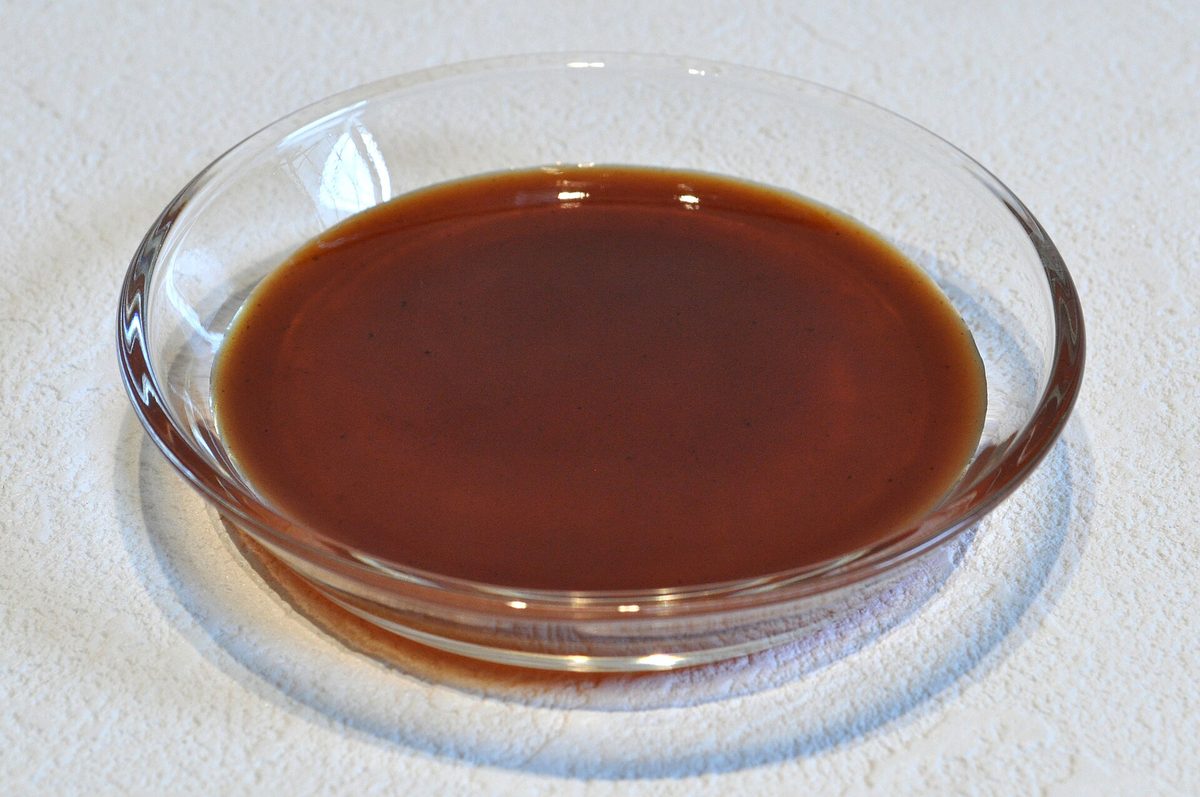
In 1837, two English chemists put their names on a bottle of something they had once tried to get rid of. John Wheeley Lea and William Henry Perrins ran a pharmacy on Broad Street in Worcester, England, and according to the story their own company has told for more than a century, they’d mixed up a batch of vinegar-and-spice sauce so vile that they rolled the barrel into the cellar and walked away from it, assuming the whole experiment was a failure.
Table of Contents
What happened next turned into one of the most repeated origin tales in food history — a nobleman, a colonial recipe, a forgotten barrel, and a taste test that built an empire. But when a former company accountant went digging through Lea & Perrins’ own archives decades later, he found that at least one part of the legend couldn’t possibly be true.
Quick answer
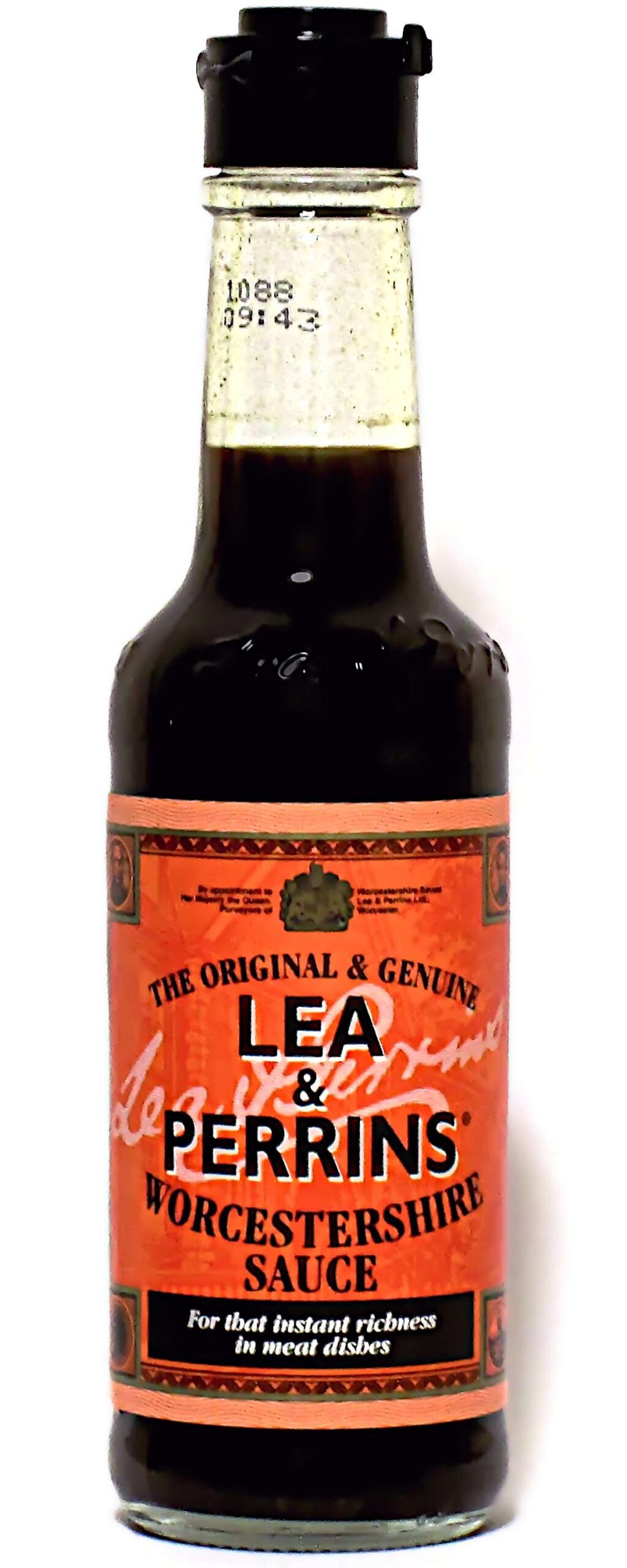
Lea & Perrins Worcestershire sauce began as a batch of vinegar-and-spice sauce that Worcester chemists John Wheeley Lea and William Henry Perrins mixed, found disgusting, and left sitting in barrels in their cellar; when rediscovered later, fermentation had mellowed it into the sauce they started selling in 1837. The popular detail that a traveling nobleman named Lord Sandys brought the recipe home from colonial India is almost certainly embellished company legend, not documented history.
A sauce nobody wanted
The traditional version of the story, which Lea & Perrins told for generations, goes like this: around 1835, a local aristocrat referred to as Lord Sandys had just returned from a posting in India — some tellings say he’d been governor of Bengal — craving a pungent, fermented sauce he’d grown fond of overseas. He brought the recipe to Lea and Perrins, his neighborhood chemists, and asked them to recreate it.
They did. And according to the legend, it was awful — sharp, overpowering, nothing like the mellow condiment it would become. Rather than toss it out, they barreled the failed batch and stuck it in the cellar of their shop. There it sat, unattended, while the two men moved on to other things.
The barrel that got a second chance
Accounts differ on exactly how long the barrel sat forgotten — some versions say about 18 months, others stretch it to a couple of years — but the punch line is the same: someone in the shop eventually rediscovered it, tasted it expecting the worst, and found something completely different. Time in the barrel had done what the chemists couldn’t on their first try. Fermentation had softened the harsh edges and built a deep, savory, slightly sweet flavor.
Lea and Perrins decided it was worth selling. They began bottling and marketing the sauce from their shop at 68 Broad Street in Worcester in 1837, naming it after their city. It caught on quickly in Britain, then crossed the Atlantic, and within a few decades ‘Worcestershire sauce’ was a pantry staple on both sides of the ocean — eventually finding its way into Bloody Marys, Caesar dressing, and pot roasts far from the English cellar where it started.
The part most people miss
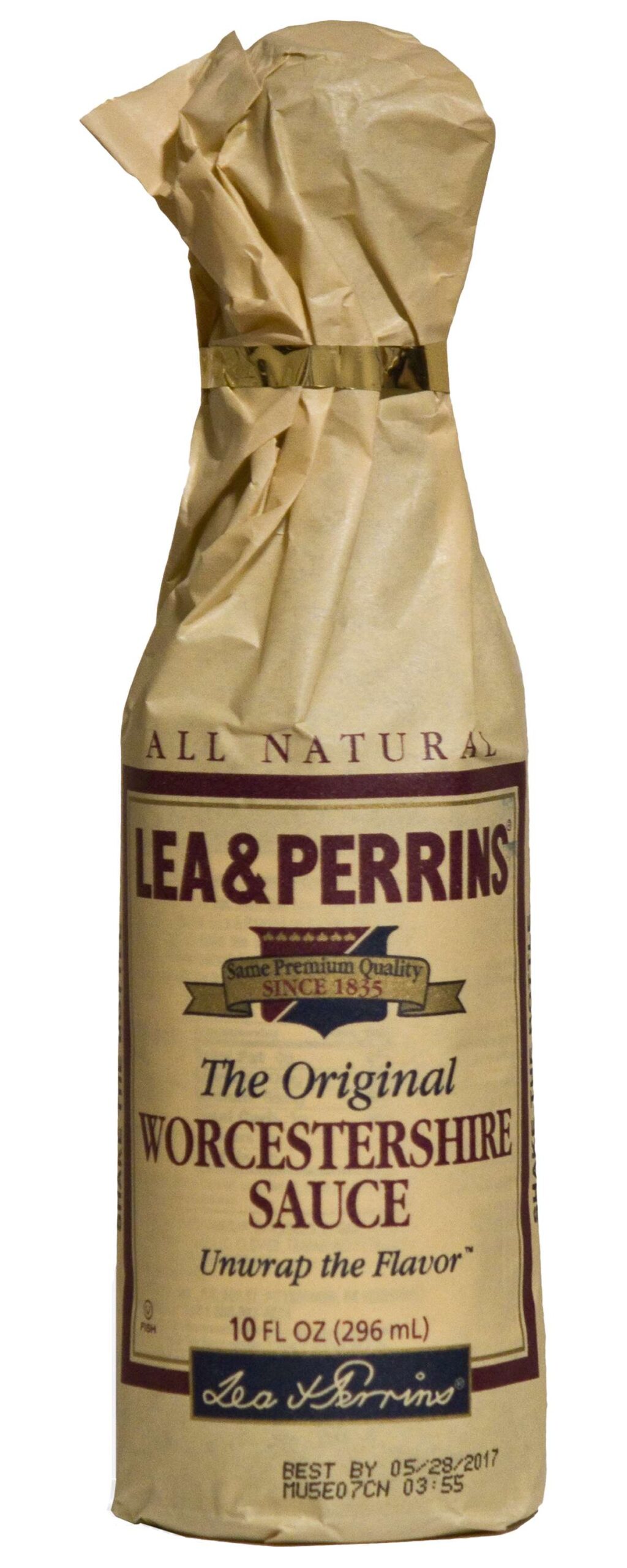
The forgotten-barrel part of the story has real support — for most of its history, Worcestershire sauce was aged in wooden (often oak) barrels for well over a year, so a long, accidental fermentation genuinely could have transformed an early batch. But two things are worth separating from the legend. First, modern commercial production has moved on from those wooden barrels: today Lea & Perrins matures the sauce in large blue fiberglass tanks rather than oak, with the ingredient mash left to develop for as long as 18 months to three years before it’s strained, flavor-checked, pasteurized, and bottled — the oak-barrel aging described in the origin story is the historical method, not the current one. Second, the Lord Sandys half of the legend has a problem: Brian Keogh, a Lea & Perrins accountant who retired in 1991, found what appeared to be the company’s original leather-bound recipe ledgers discarded in a skip outside the factory. His research, published in his 1997 book ‘The Secret Sauce — A History of Lea & Perrins,’ turned up no evidence any Lord Sandys ever traveled to India or served as governor of Bengal. The aristocrat usually named in the tale, Arthur Marcus Cecil Sandys, didn’t even take the Sandys title until 1860 — more than two decades after the sauce was supposedly inspired by his trip. The barrel may well be true. The lord from Bengal looks like marketing.
Sources
Wikipedia’s entries on Lea & Perrins and on Worcestershire sauce, which detail the company’s founding by John Wheeley Lea and William Henry Perrins, the 1837 commercial launch, and the modern production process.
Cooksinfo.com’s history of Worcestershire sauce, which covers Brian Keogh’s 1997 book ‘The Secret Sauce — A History of Lea & Perrins,’ his findings on the Lord Sandys legend and the Sandys family title timeline, and the shift from oak-barrel aging to fiberglass maturing tanks in modern production.
MoneyWeek’s historical retrospective on the August 28, 1837 date when Lea & Perrins began making and selling Worcestershire sauce commercially in Worcester, England.
Explore more: More accidental inventions.
Frequently Asked Questions
Is the Lord Sandys story about Worcestershire sauce true?
Probably not in full. Company histories have long credited a nobleman named Lord Sandys with bringing the recipe from colonial India, but research by former Lea & Perrins accountant Brian Keogh found no record of any Lord Sandys traveling to India, and the aristocrat usually named in the story didn’t hold that title until decades after the events supposedly took place.
How long did the barrel actually sit forgotten?
Accounts vary — some put it at around 18 months, others say a couple of years — since the story was passed down as company lore rather than recorded in a contemporary document.
Who actually invented Worcestershire sauce?
English chemists John Wheeley Lea and William Henry Perrins, who ran a pharmacy in Worcester, England, and began commercially bottling and selling the sauce in 1837.
Is Worcestershire sauce still aged in wooden barrels today?
Not commercially. Oak barrel aging was the historical method, but Lea & Perrins now matures the sauce in large fiberglass tanks for as long as 18 months to three years before straining, pasteurizing, and bottling it.
Tales You Can Hold
Fun-facts books for curious kids, personalized books that star your child, and more from the FYI Tales Bookstore. Visit the Bookstore.
Photo: Ocdp / CC0, via Wikimedia Commons.