

You turn on the shower, and thirty seconds later you’re detouring to the toilet first. You’re rinsing dishes at the kitchen sink and suddenly it hits. It’s such a universal human experience that it’s become a travel joke, a classroom icebreaker about Pavlov’s dogs, and — less obviously — a real bedside medical trick that nurses have quietly relied on for at least fifty years.
Table of Contents
The surprising part is that this isn’t just a quirk of imagination. When researchers actually wired people up to medical equipment and played the sound of a river through a speaker, their urine flow measurably changed. The sound of water doesn’t just remind your brain it’s bathroom time — it appears to reach down into the plumbing itself.
Quick answer
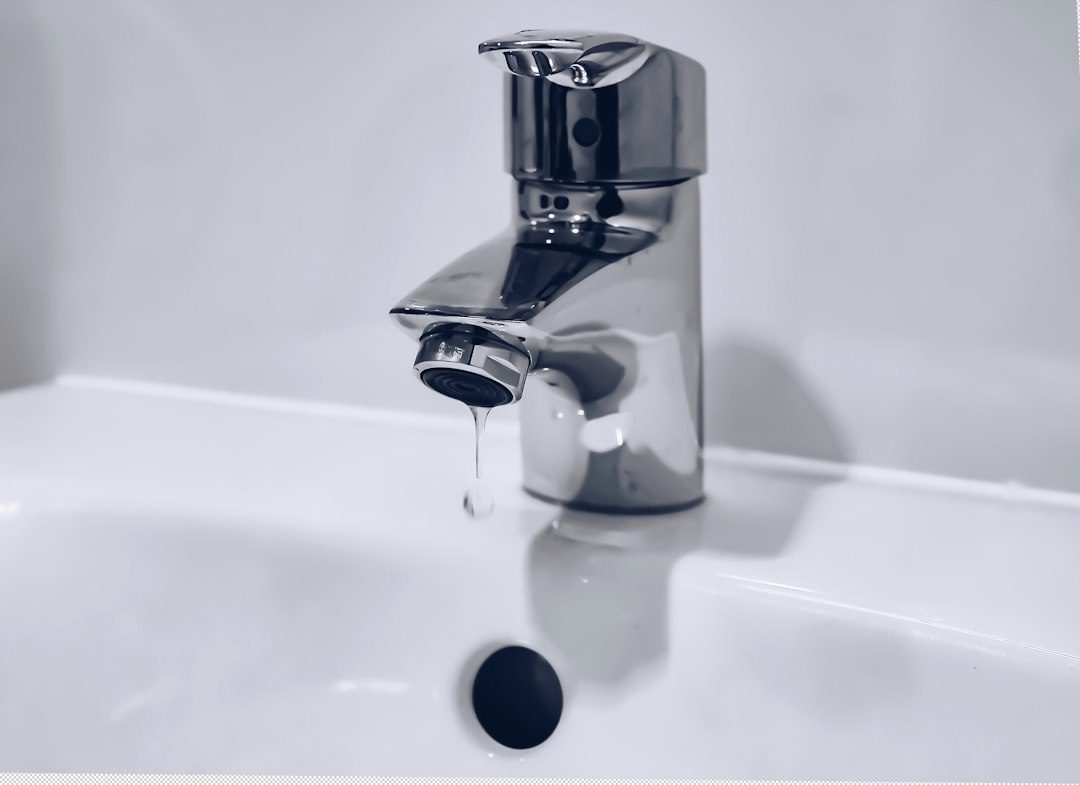
The sound of running water triggers an urge to urinate through a combination of learned association (a lifetime of toilets flushing, taps running, and showers trickling while you pee) and an apparent physiological effect on the nervous system that controls the bladder. A 2015 clinical study found the sound of running water measurably increased men’s urine flow rate, not just their urge to go.
The trick nurses already knew
Long before anyone ran a controlled experiment, hospital staff had already made the connection. Nurses have for decades turned on a bathroom tap for patients who are too sore, too nervous, or too freshly post-anesthesia to urinate on command — a common problem after surgery, childbirth, or catheter removal. The trick even made it into the medical literature: in 1974, a letter titled “The Audio Catheter,” by R.F. Alsop, appeared in the New England Journal of Medicine, proposing that a recording of running water could do the same job as an actual running tap — a cheap, hands-off way to coax a reluctant bladder into action.
For the next 40 years, “run the tap” stayed mostly in the realm of nursing handbooks and bedside improvisation — reliable enough to keep teaching, but never tested with an actual flow meter.
A river sound, a flow meter, and the proof
In 2015, urologist Whi-An Kwon and colleagues at Wonkwang University Sanbon Hospital and South Korea’s National Cancer Center decided to test the old trick properly. They recruited 18 men with lower urinary tract symptoms — the hesitant, weak urination common with an enlarged prostate — and had each one urinate into a flow meter twice, a week apart: once in silence, once with the sound of a river playing continuously from a smartphone relaxation app, piped through a Bluetooth speaker in the room.
The results surprised even the people measuring them. With the water sound playing, the men’s peak urine flow rate rose from an average of 12.3 milliliters per second to 15.7 — a statistically significant jump. Thirteen of the 18 men flowed faster with the sound on. It wasn’t a dramatic effect, and not every measurement moved (total volume and voiding time stayed about the same), but it was real, repeatable, and recorded by a machine — not just a feeling someone reported afterward.
The part most people miss
The easy assumption is that this is purely “in your head” — a Pavlovian reflex, no different from a dog drooling at a bell, because the sound of water is so tightly woven into a lifetime of toilets, showers, and sinks. That’s part of the researchers’ own explanation. But in their write-up, Kwon’s team proposed the sound was doing double duty: also increasing the tone of the parasympathetic nervous system, the body’s “rest and digest” circuitry, which happens to be the same system that powers the bladder’s detrusor muscle and relaxes the urethral sphincter during urination. In other words, the sound of water may not just remind your brain it’s time to go — it may nudge the actual plumbing open, the same way a warm bath or a few slow breaths can.
That physiological pull is strong enough to cut both ways. For the estimated millions of adults with paruresis, or “shy bladder” — a genuine anxiety condition that makes urinating around others difficult or impossible — turning on a faucet to mask sound and coax the body into going is one of the most common coping rituals there is. But the International Paruresis Association specifically warns against it: running water is classified as a “safety behavior,” a crutch that can make someone feel better in the moment but, by their own account, only prolongs treatment, since graduated exposure therapy works by teaching the body to go without any assistance at all. The same trick that helps a groggy post-surgery patient can quietly work against someone trying to retrain a genuinely anxious bladder.
Sources
Kwon WA, Kim SH, Kim S, Joung JY, Chung J, Lee KH, Lee SJ, Seo HK. “Changes in Urination According to the Sound of Running Water Using a Mobile Phone Application.” PLOS ONE, May 2015.
Alsop RF. “The Audio Catheter” (letter). The New England Journal of Medicine, 1974;290:808 — cited within the PLOS ONE study above.
International Paruresis Association, “About Avoidant Paruresis” and related guidance on safety behaviors and graduated exposure therapy, paruresis.org.
Explore more: more true stories about how your body works.
Frequently Asked Questions
Does the sound of running water actually make you pee, or is it just in your head?
Both, according to researchers: it’s a learned Pavlovian association, but a 2015 clinical study also found it measurably increased men’s peak urine flow rate, suggesting a real physiological effect alongside the mental one.
Why do nurses turn on a sink tap for patients who can’t urinate?
It’s a long-standing bedside trick for post-surgery or postpartum urinary retention, documented as far back as a 1974 New England Journal of Medicine letter describing a recorded “audio catheter” used for the same purpose.
Does this happen to everyone?
Most people experience it to some degree since it relies on a lifetime of real-world conditioning around toilets, sinks, and showers, though individual sensitivity to the effect varies.
Tales You Can Hold
Fun-facts books for curious kids, personalized books that star your child, and more from the FYI Tales Bookstore. Visit the Bookstore.
Photo: Shixart1985 / CC BY 2.0, via Wikimedia Commons.