
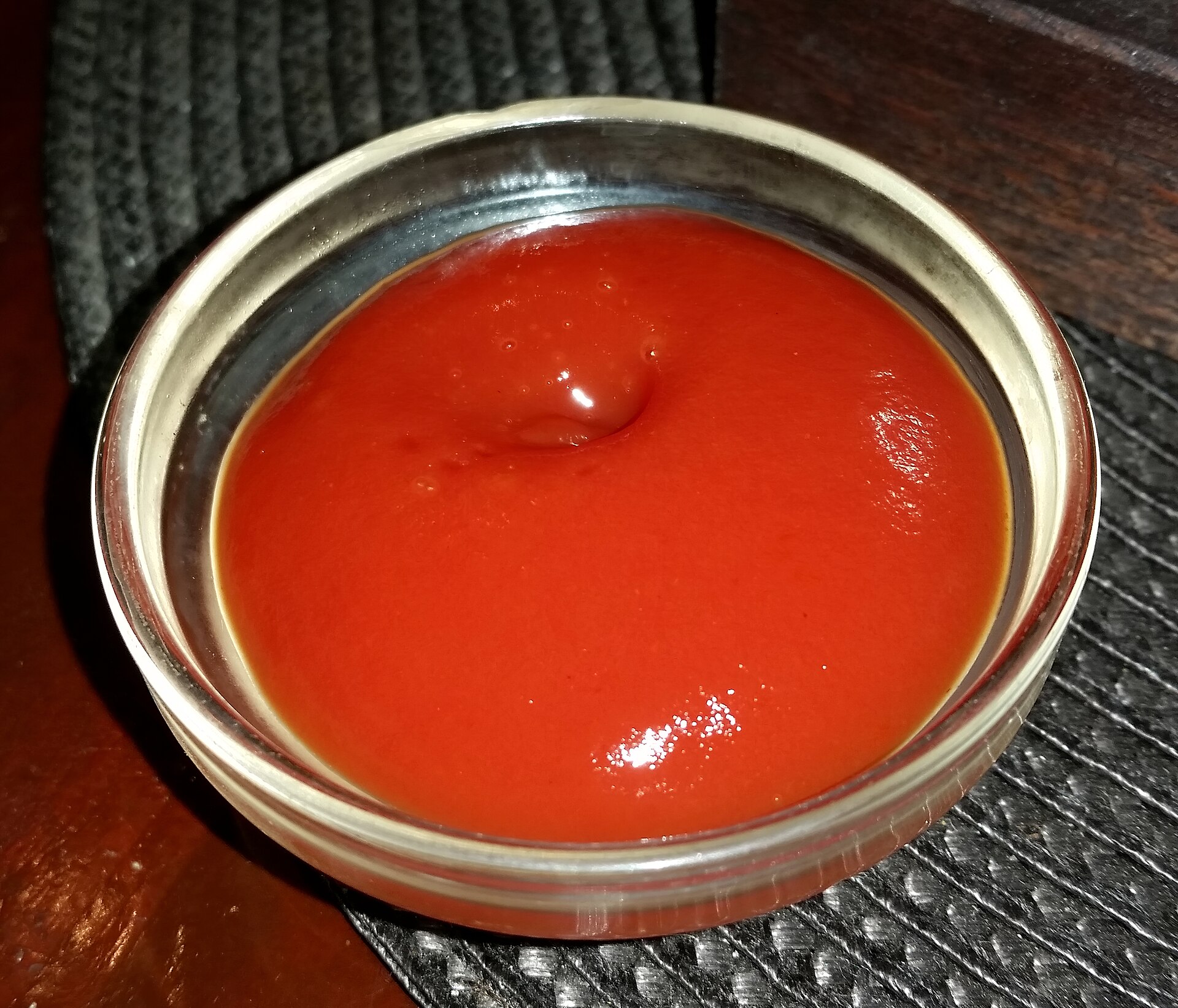
Squeeze a bottle of Heinz over your fries and you’re using a 500-year-old word that used to mean something closer to anchovy paste than tomato paste. The condiment on your table is the descendant of a fermented fish sauce that Fujianese traders were bottling in Southeast Asia long before anyone in Europe had figured out that tomatoes were edible.
Table of Contents
The tomatoes came last. For roughly two centuries, ‘ketchup’ meant a dark, salty, umami-loaded liquid made from fish, mushrooms, walnuts, or oysters — never fruit. What really happened is a story about British sailors trying to fake a flavor they couldn’t reproduce, and a Philadelphia scientist who finally swapped in a fruit nobody trusted yet.
Quick answer
Ketchup’s name and concept come from a fermented fish sauce called kê-tsiap, traded across Southeast Asia and China centuries before tomatoes were added. British merchants encountered it in the 1600s–1700s, recreated it at home with mushrooms and anchovies, and it wasn’t until 1812 that anyone published a tomato version — still without the vinegar and sugar that make modern ketchup taste the way it does.
A sauce from the Mekong, centuries before tomatoes
The word traces to Hokkien, a language from China’s Fujian province, where 17th-century records show a fermented fish-and-spice sauce called kôe-chiap or kê-chiap. Hokkien traders picked it up along Southeast Asian trade routes, including the Mekong, and carried the word (and the sauce) through the region, where it mixed with a similar Malay condiment called kicap or kecap.
By the early 1700s, British merchants trading through the East Indies had acquired a taste for it. Charles Lockyer’s 1703 trade manual, An Account of the Trade in India, singled out ketchup as a promising British import, noting that the best came from ‘Tonqueen’ — Vietnam. In 1732, English writer Richard Bradley published a recipe for ‘Ketchup in Paste’ that credited its origin to ‘Bencoulin in the East-Indies,’ a British trading post on Sumatra.
The British can’t get the fish, so they fake it
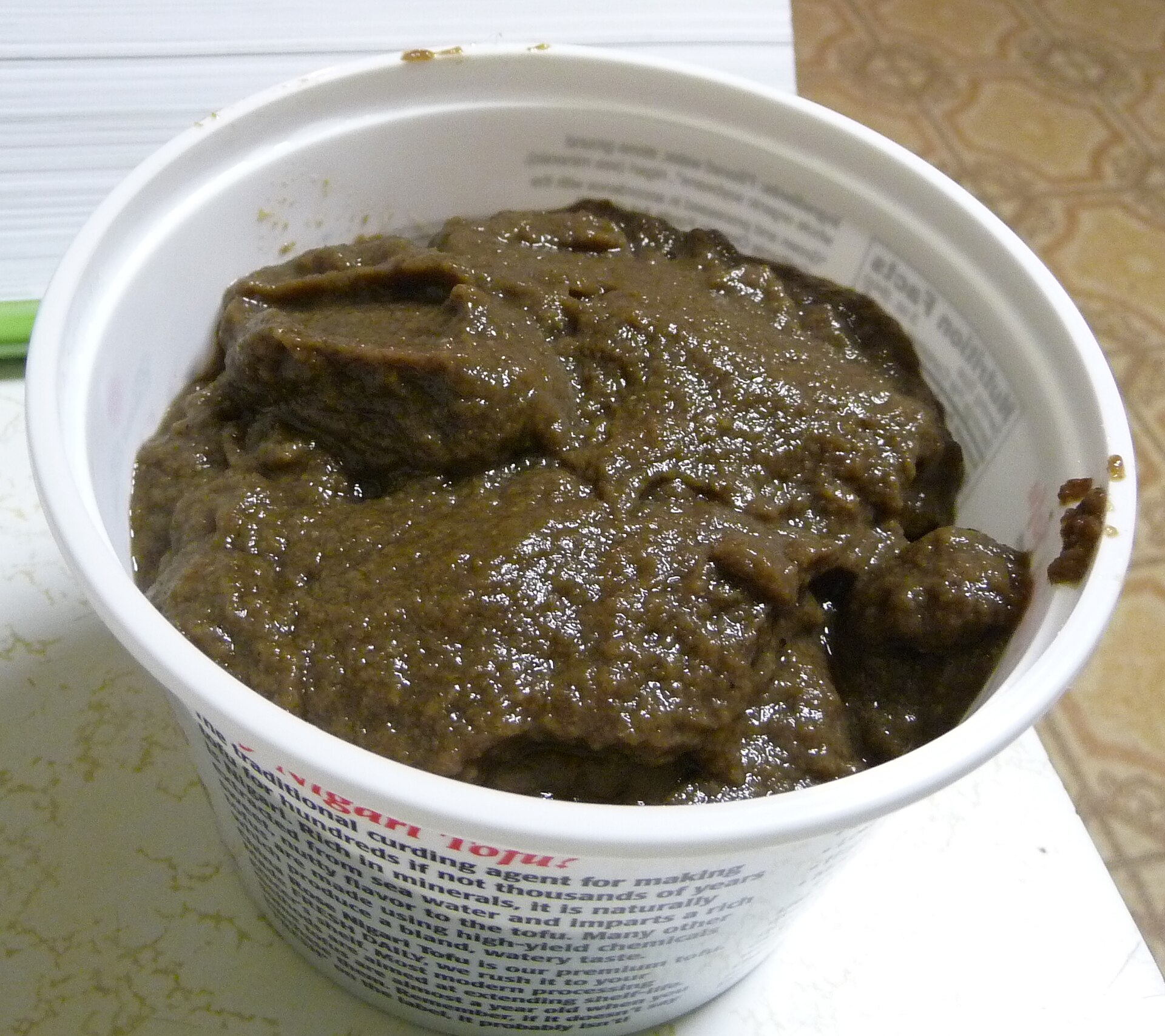
There was one problem: the British couldn’t easily import the fermented fish sauce itself, so home cooks started improvising with whatever pantry staples delivered a similar savory punch. Recipes from the 1740s through the 1850s used anchovies, walnuts, oysters, and especially mushrooms to chase that umami flavor. Mushroom ketchup became so popular in England that it was reportedly a favorite condiment of Jane Austen.
Tomatoes didn’t enter the picture until 1812, when Philadelphia scientist James Mease published the first known tomato ketchup recipe. Mease, writing at a time when tomatoes were still commonly called ‘love apples’ and eyed with suspicion in some circles, combined tomato pulp with spices and brandy — no vinegar, no sugar, nothing like the shelf-stable stuff in your fridge. An 1817 recipe still hedged its bets, blending tomatoes with anchovies. It took until the mid-1850s for cooks to drop the fish entirely and let the tomato stand alone.
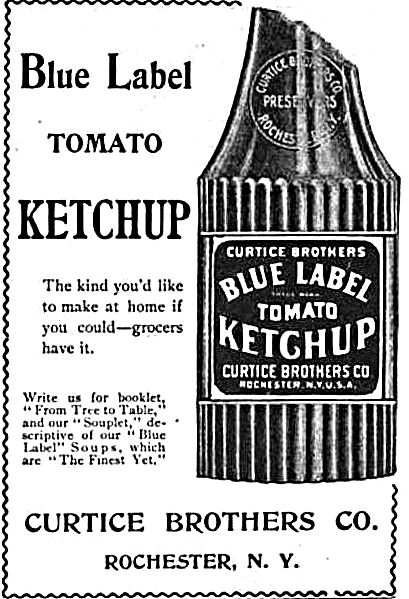
The condiment as we know it arrived with Henry J. Heinz, who began bottling tomato ketchup in 1876. Worried about the chemical preservatives common in commercial ketchups of the era, Heinz partnered with Dr. Harvey Washington Wiley — the chemist behind the Pure Food and Drug Act — to develop a preservative-free formula that relied on ripe tomatoes and extra vinegar for shelf stability. By 1905, the company had sold roughly five million bottles.
The part most people miss
Here’s the layer that trips up even the fact-checkers: there’s a popular rival theory claiming ‘ketchup’ comes from a Cantonese phrase meaning ‘tomato juice.’ It’s a tidy story, but it doesn’t survive contact with the timeline — tomatoes weren’t even introduced to Asia until well after the word ‘ketchup’ was already circulating in English trade documents, and the historical trade networks that carried the word to Europe were run by Hokkien merchants, not Cantonese ones. Linguists generally favor the fish-sauce origin precisely because the dates line up and the trade routes match. The tomato-juice theory is a classic case of the destination sauce getting mistaken for the source. And the original is still very much alive today — it just goes by other names, like Vietnamese nước mắm and Filipino patis, distant cousins of the sauce that gave ketchup its name.
Sources
National Geographic, ‘How Was Ketchup Invented?’ — covers James Mease’s 1812 tomato ketchup recipe and Henry Heinz’s 1876 partnership with Harvey Washington Wiley.
Slate, ‘Ketchup’s Chinese Origins: How It Evolved From Fish Sauce to Today’s Tomato Condiment’ — details Charles Lockyer’s 1703 trade account and the Hokkien-to-British trade route through Southeast Asia.
Vocabulary.com, ‘Lost in the Sauce: The History of Ketchup’ (Word Routes) — traces the Hokkien kôe-chiap/kê-chiap etymology against the competing Cantonese ‘tomato juice’ theory.
Explore more: more true tales from Food Lore.
ketchup FAQs
Did ketchup really start as fish sauce?
Yes. The word and concept trace to a fermented fish sauce called kê-tsiap, traded across Southeast Asia and China, which British merchants encountered in the 1600s and 1700s before any tomatoes were involved.
When did tomato ketchup first appear?
The first published tomato ketchup recipe came from Philadelphia scientist James Mease in 1812, though it still lacked the vinegar and sugar of modern ketchup — some versions kept anchovies alongside the tomatoes until the mid-1850s.
Is the Cantonese ‘tomato juice’ origin story true?
No — it’s a popular but debunked theory. Tomatoes arrived in Asia after the word ‘ketchup’ was already in use, and the historical trade networks that carried the word to Britain were Hokkien, not Cantonese.
Tales You Can Hold
Fun-facts books for curious kids, personalized books that star your child, and more from the FYI Tales Bookstore. Visit the Bookstore.
Photo: Kim Holger Kelting / CC BY 4.0, via Wikimedia Commons.