
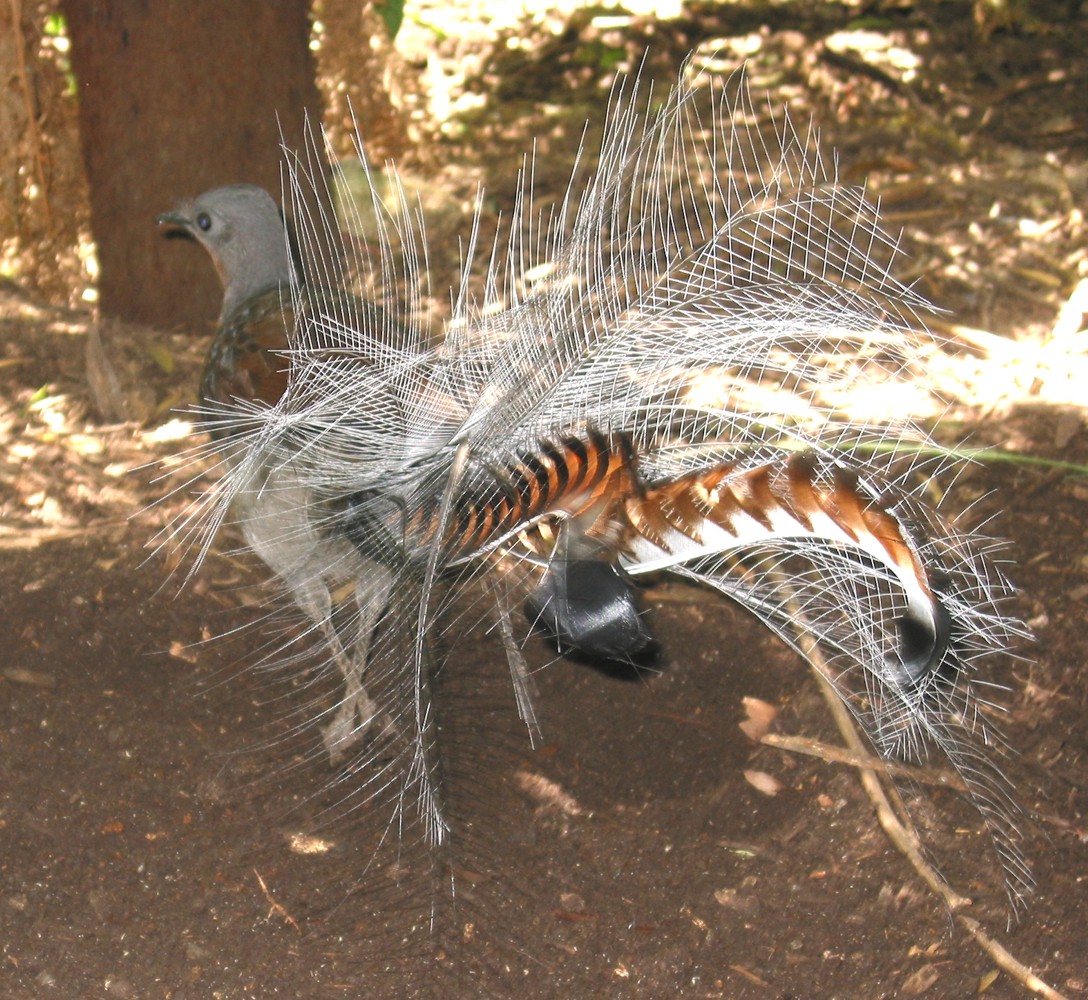
There’s a video that’s been passed around the internet for years: a plain brown bird in an Australian forest calmly reproducing a camera’s motor-drive whir, a car alarm, and a chainsaw revving through wood — each one close enough to fool your ears. Most people watch it and assume they’re seeing a wild animal casually recording the sounds of encroaching civilization. That’s the legend. The real story is stranger, better documented in some places and shakier in others, and only partly what it seems.
Table of Contents
It starts not with a chainsaw but with a flute, on a farm bordering the New South Wales bush, sometime in the 1920s or ’30s — decades before anyone filmed a lyrebird doing anything at all. And when scientists finally went looking for hard proof of that older story, they found less than everyone had assumed.
Quick answer
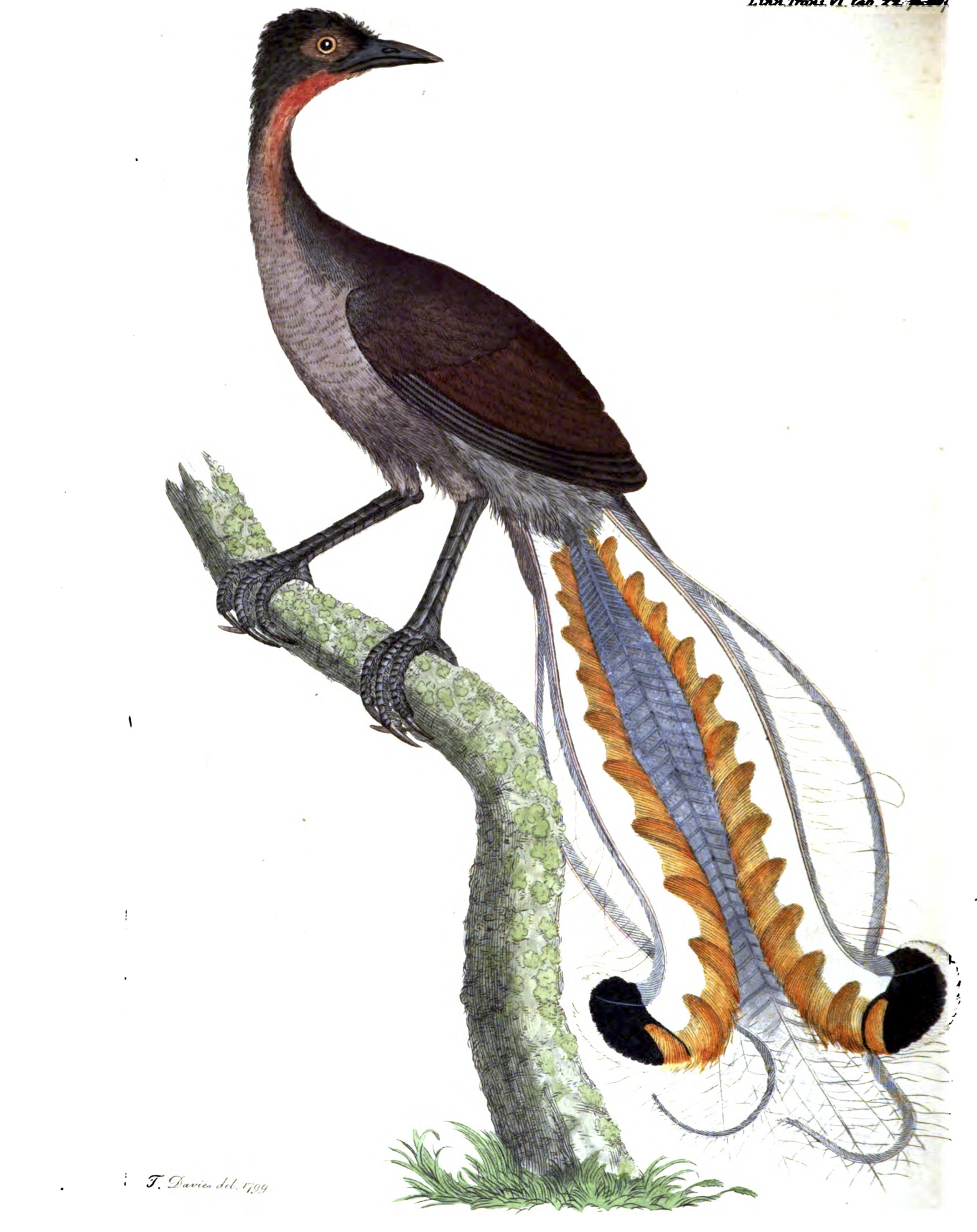
Superb lyrebirds are genuinely extraordinary vocal mimics, capable of reproducing other birds’ calls with near-perfect accuracy and, in captivity, almost any repeated mechanical sound. The viral footage of a lyrebird nailing a chainsaw and camera shutter comes from captive, hand-raised birds, not a verified wild recording. And the famous older tale of wild ‘flute lyrebirds’ near Dorrigo, New South Wales, learning a farmer’s tunes turns out to be partly legend: when researchers formally investigated it decades later, they could confirm only fragments of one song, not the two everyone had been repeating for years — and they couldn’t even prove the original bird was a pet.
A story passed down from a New South Wales farm
As the story has long been told around the New England Tablelands of New South Wales, a flute-playing farmer living near what is now New England National Park kept a young lyrebird, played tunes near it, and eventually released it into the surrounding forest carrying its borrowed repertoire. Written accounts differ on exactly when this happened and how long the bird was kept — some place it in the 1920s, others the 1930s — which is itself a clue that the tale had been circulating as oral history for a long time before anyone tried to pin it down.
For decades, nothing more came of it. No one was recording lyrebird calls in that stretch of bush, and the story of the flute-playing farmer faded into local memory — the kind of tale that sounds too neat to be entirely accurate, and that turned out to be exactly that.
The ranger who caught a ghost tune on tape
In 1969, Neville Fenton, the ranger at Dorrigo National Park, recorded a wild lyrebird singing a strange, flute-like phrase unlike any known bird call in the area. Fenton tracked down the older local legend about the flute-playing farmer and sent his recording to Norman Robinson, a CSIRO scientist who had spent much of the 1950s and ’60s building Australia’s pioneering bird-sound archive.
Because a lyrebird can sing two melodic lines at once, Robinson filtered the tape apart, and what he identified became the version of the story that stuck for years: a compressed, looping splice of two tunes popular in the 1930s, “The Keel Row” and “Mosquito’s Dance.” It made for an irresistible headline — wild lyrebirds, generations removed from the original pet, still performing 1930s sheet music as their territorial song.
When researchers went back to check
That’s where most retellings stop. But a research group that eventually included Fenton himself, alongside Vicki Powys, Hollis Taylor, Carol Probets, and Syd Curtis, revisited the flute lyrebirds directly — tracking down archival tape, collecting fresh field recordings across the New England region, and interviewing locals who remembered the original story. Their findings, published in 2013 in the journal Environmental Humanities, were more cautious than the popular version: across contemporary and historical recordings, they found only remnants of “The Keel Row” — and no convincing evidence of “Mosquito’s Dance” at all.
They couldn’t confirm the other half of the legend either. Despite the detective work, the group was unable to prove that the original bird had actually been a pet, though they didn’t rule it out — they described compelling evidence on both sides. What survives, in other words, is a real and unusual pattern in the local lyrebirds’ song, a documented 1969 recording that kicked off the search, and a founding story that remains, honestly, unverified folklore rather than settled fact.
The part most people miss
The famous viral clip — chainsaw, camera shutter, car alarm, all from one bird — comes from David Attenborough’s 1998 BBC series The Life of Birds, and it’s the reason most people believe wild lyrebirds routinely mimic machinery. But researcher Hollis Taylor, writing for The Conversation in 2014, pointed out that two of the three lyrebirds shown in that sequence were captive: one from Healesville Sanctuary, recorded in 1987 by Greg Wignell, and the other a hand-raised Adelaide Zoo bird named Chook, who reportedly picked up hammers, drills, and saws while the zoo built its panda enclosure, plus a car alarm and a human voice greeting him. Chook died in 2011 at age 32. As far as researchers have established, there is no confirmed recording of a truly wild lyrebird mimicking chainsaws or other machinery — the closest thing to a genuinely wild, generations-old case of a bird absorbing a man-made sound is the Dorrigo flute song, and even that one comes with more asterisks than the internet’s favorite video ever let on.
Sources
This account draws on Vicki Powys, Hollis Taylor, and Carol Probets, “A Little Flute Music: Mimicry, Memory, and Narrativity,” published in Environmental Humanities (2013), which reinvestigated the Dorrigo flute lyrebird legend and reported finding only remnants of “The Keel Row,” no confirmed evidence of “Mosquito’s Dance,” and no proof either way that the original bird was a pet.
Also consulted: the flutelyrebird.com research project site maintained by that same team, which summarizes the origin legend, Neville Fenton’s 1969 recording, and the group’s later fieldwork across the New England region.
Details on the captive lyrebirds in David Attenborough’s footage — Healesville Sanctuary’s 1987 recording and Adelaide Zoo’s Chook — come from Hollis Taylor’s 2014 analysis for The Conversation, “Lyrebirds mimicking chainsaws: fact or lie?”
Explore more: More true wild animal tales.
lyrebird FAQs
Can lyrebirds really mimic almost any sound?
Yes, especially hand-raised or captive birds — they’ve been documented copying camera shutters, car alarms, and construction tools. Wild lyrebirds mostly mimic other birds and forest sounds; the Dorrigo flute lyrebirds are the best-known case of a wild population carrying a non-bird sound, though even that story has unresolved details.
Is the famous chainsaw-and-camera lyrebird video actually wild?
No. Of the three lyrebirds shown in David Attenborough’s 1998 footage, two were captive — one at Healesville Sanctuary and one, a bird named Chook, at Adelaide Zoo. There’s no confirmed recording of a wild lyrebird doing the same.
Did the flute lyrebird really sing “Mosquito’s Dance” and “The Keel Row”?
That was the original claim after a 1969 recording was analyzed, but when a research team went back decades later and combed through contemporary and historical recordings, they found only remnants of “The Keel Row” and no convincing evidence of “Mosquito’s Dance.”
Was the original flute lyrebird actually someone’s pet?
That’s the local legend, but it’s never been proven. Researchers who investigated the story found compelling evidence on both sides and couldn’t confirm it either way.
Tales You Can Hold
Fun-facts books for curious kids, personalized books that star your child, and more from the FYI Tales Bookstore. Visit the Bookstore.
Photo: Melburnian / CC BY 2.5, via Wikimedia Commons.