
In the summer of 1878, a young chemist named Constantin Fahlberg sat down to dinner without washing his hands — a habit that would get him fired from any lab today, and instead accidentally made him famous. He picked up a bread roll and noticed something strange: it tasted almost shockingly sweet, like it had been dipped in syrup. It hadn’t.
Table of Contents
The sweetness wasn’t in the bread. It was on his hands, left over from a day spent testing coal-tar compounds at Johns Hopkins University. Fahlberg spent the next several hours tasting his way through the dishes on his own lab bench until he found the source: a compound nobody had named yet, hundreds of times sweeter than sugar and with zero calories. He called it saccharin. But the full story of who really discovered it — and who got rich off it — is messier, and more interesting, than the tidy ‘eureka’ version most people know.
Quick answer
Saccharin was discovered in 1878 by chemist Constantin Fahlberg, who noticed an unexplained sweetness while eating dinner after a day of coal-tar research in Ira Remsen’s chemistry lab at Johns Hopkins University. He traced it to a compound he’d spilled on his hands, later named saccharin — though Remsen, whose lab and research made the find possible, never shared in the profits.
A late night in Ira Remsen’s lab
Fahlberg, born in Russia in 1850, was working as a research assistant to Ira Remsen, a chemistry professor at the newly founded Johns Hopkins University. Remsen’s lab wasn’t chasing candy — they were systematically studying the chemistry of coal-tar derivatives, standard organic chemistry work for the era. In one experiment, Fahlberg reacted a compound called o-sulfobenzoic acid with phosphorus chloride and ammonia, and the mixture boiled over on his bench.
He cleaned up as best he could, went home for dinner, and — without washing his hands first — picked up his bread. It tasted unmistakably sweet. So did his water glass. So, when he touched a finger to his tongue, did his own skin. Something from the lab was doing this, and it wasn’t spoiled food. It was chemistry.
One name on the paper, one name on the patent
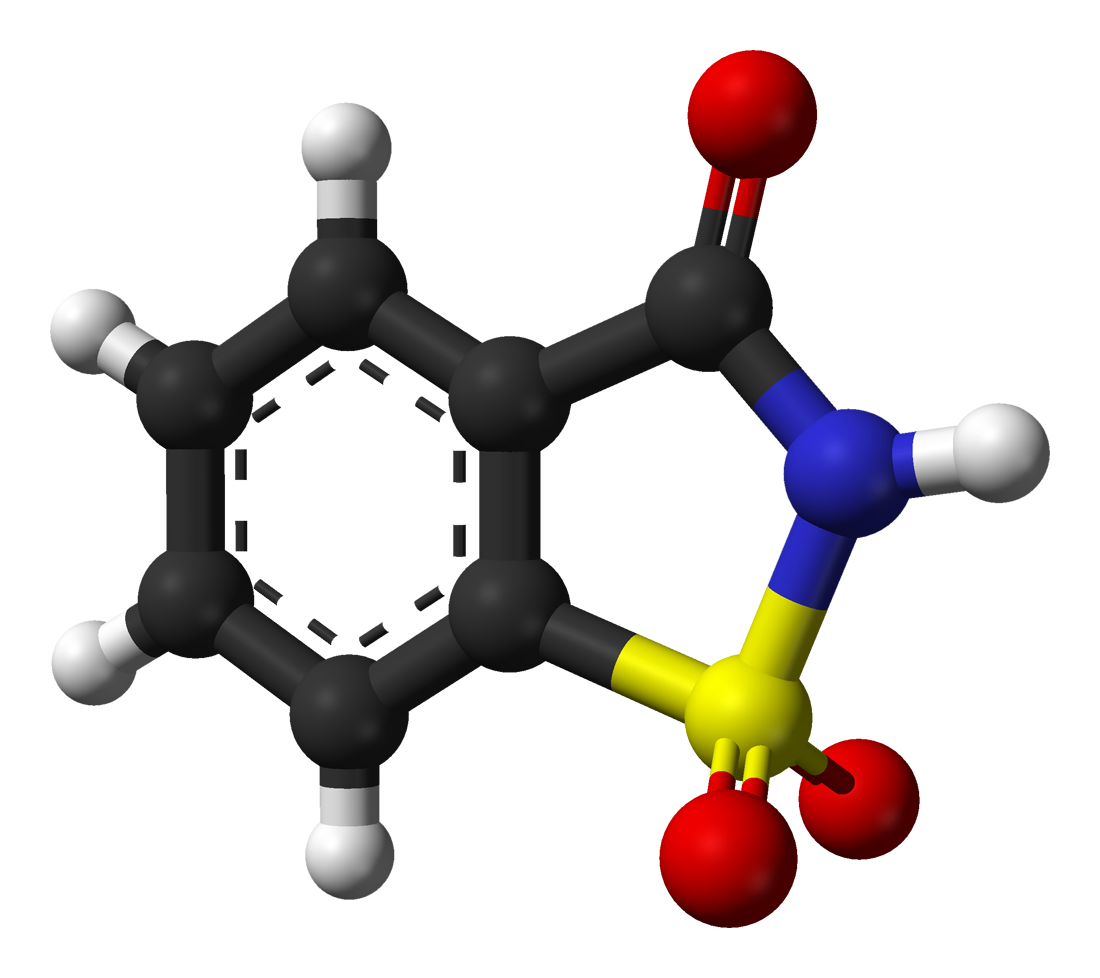
Fahlberg hurried back to the lab and tasted the residue in dish after dish until he traced the sweetness to that overboiled beaker. The compound turned out to be benzoic sulfinide — later renamed saccharin, from the Latin saccharum, ‘sugar.’ In February 1879, Fahlberg and Remsen published their findings jointly in the American Chemical Journal, describing two methods for synthesizing the new compound. For a few years afterward, they kept working together as collaborators.
Then in 1884, without telling Remsen, Fahlberg filed patents in Germany and the United States on a cheaper way to manufacture saccharin — listing himself as the sole inventor. He built a factory, began selling ‘Fahlberg’s Saccharin’ commercially, and got rich. Remsen, who’d never cared about the commercial angle, was less upset about the money than about being erased: he’d supplied the lab, the research direction, and the training that made the discovery possible, and his name had vanished from the business entirely. In a letter to fellow chemist William Ramsay, Remsen didn’t hold back: ‘Fahlberg is a scoundrel. It nauseates me to hear my name mentioned in the same breath with him.’
The part most people miss
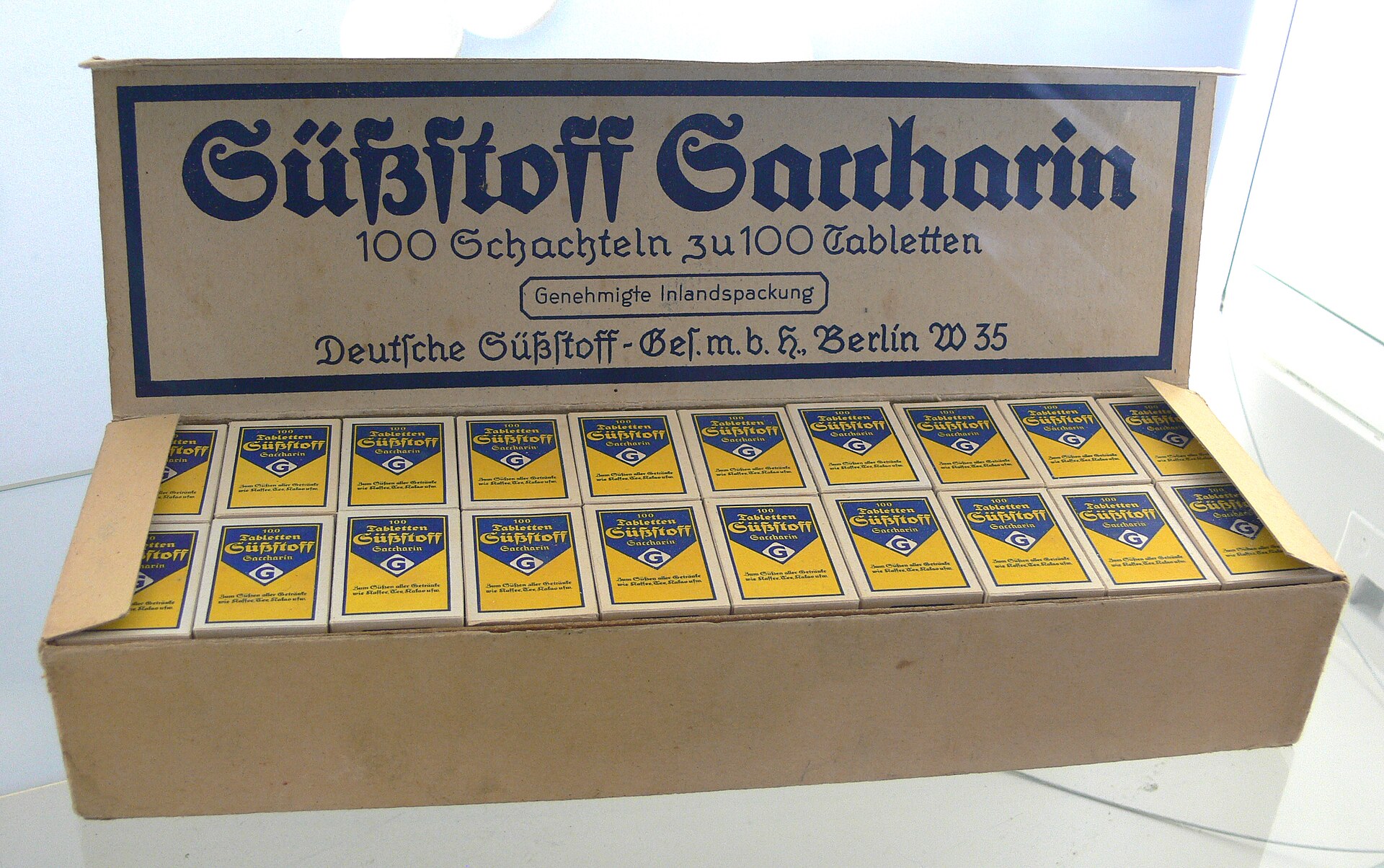
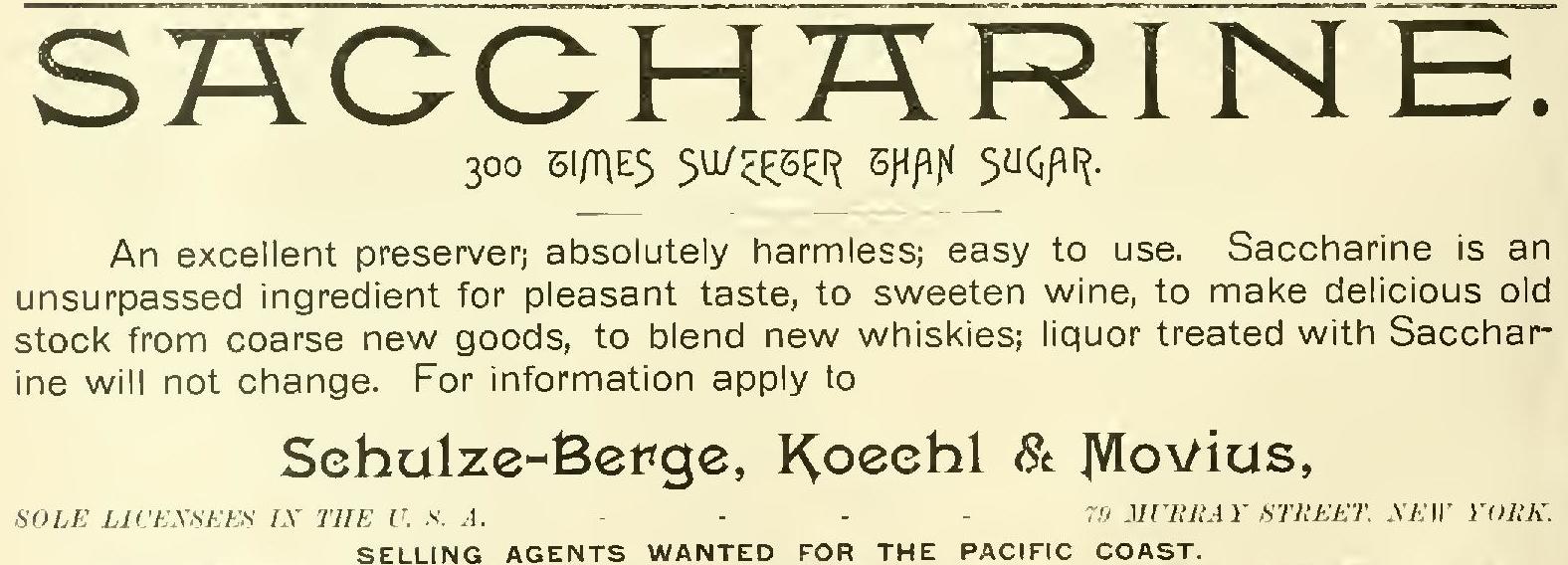
The ‘forgot to wash his hands’ detail makes a great punchline, but it undersells how normal what Fahlberg did actually was. Nineteenth-century chemists routinely tasted and smelled unknown compounds as a basic diagnostic tool — reckless by modern lab-safety standards, but standard practice before instrumental analysis existed. Fahlberg wasn’t sloppy; he was working the way he’d been trained, and it happened to make his dinner roll suspiciously delicious. The bigger twist came decades later: saccharin’s popularity spiked during the sugar shortages of both World Wars, when companies like Monsanto marketed it as a patriotic sugar substitute, and it became a staple for diabetics who had no other sweet option. Then in 1977, the FDA moved to ban it after a study linked it to bladder cancer in rats, triggering a backlash so intense that Congress passed a law blocking the ban and requiring warning labels instead. It took until 2000 for U.S. health authorities to formally clear saccharin, concluding the rat studies didn’t apply to humans and pulling the warning label for good — more than 120 years after one chemist’s dirty hands started the whole thing.
Sources
This account draws on the Science History Institute’s history of artificial sweeteners, the Wikipedia entry on Constantin Fahlberg, and Mental Floss’s history of saccharin’s rise, fall, and eventual rehabilitation by U.S. health regulators.
Explore more: more accidental inventions.
saccharin FAQs
Who actually discovered saccharin?
Constantin Fahlberg gets the popular credit for noticing saccharin’s sweetness in 1878, but the discovery happened inside Ira Remsen’s chemistry lab at Johns Hopkins, using Remsen’s research program. The two published the finding jointly in 1879, though only Fahlberg later patented and profited from it.
Is it true Fahlberg discovered saccharin because he forgot to wash his hands?
Yes, by most historical accounts — residue from a spilled lab compound stayed on his hands, and he noticed his bread tasted sweet at dinner that night. He then traced the sweetness back to a specific beaker in his lab.
Is saccharin still considered safe today?
Yes. After decades of warning labels stemming from a 1977 rat study, U.S. health agencies concluded in 2000 that saccharin poses no meaningful human cancer risk, and it’s sold today in products like Sweet’N Low without a cancer warning.
Tales You Can Hold
Fun-facts books for curious kids, personalized books that star your child, and more from the FYI Tales Bookstore. Visit the Bookstore.
Photo: Ben Mills / Public domain, via Wikimedia Commons.