
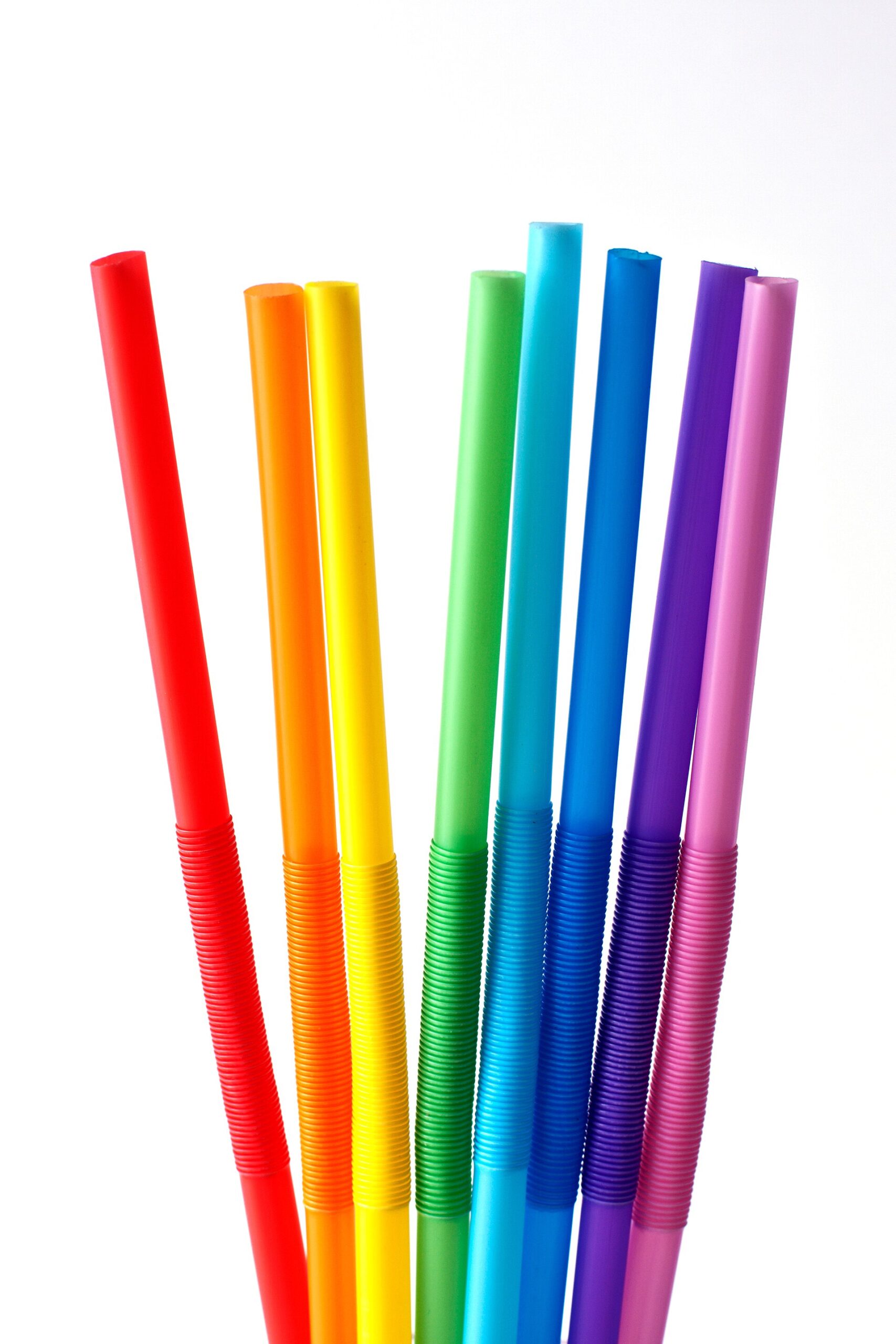
In 1888, a cigarette-holder manufacturer in Washington, D.C. patented a tube made of paper — not because he was chasing an invention, but because his rye grass kept dissolving into his bourbon. That patent is usually treated as the whole story of the drinking straw. It isn’t even the interesting part.
Table of Contents
The real engineering leap came half a century later, in a San Francisco malt shop, when a father armed with a screw and a spool of dental floss figured out how to make a straw bend without collapsing — a trick that borrows the same structural logic as flexible ductwork and accordion bellows. And neither man was first. Archaeologists have found tubes over 5,000 years old that may be even older straws, complete with their own quiet piece of engineering: a filter.
Quick answer
The paper drinking straw was patented by Marvin C. Stone in 1888 (US Patent 375,962) to replace rye-grass straws that fell apart in drinks. The flexible “bendy” straw came almost 50 years later, patented by Joseph B. Friedman in 1937 (US Patent 2,094,268), which used accordion-style corrugations to let a straw bend sharply without kinking shut.
A gritty mint julep in Washington, D.C.
By the late 1800s, the standard American drinking straw was a strand of rye grass, and it had one glaring flaw: soak it in a mint julep long enough and it turned soggy, gritty, and started tasting like a lawn. As the story is usually told — repeated by Stone’s own company and by outlets like PUNCH and the Smithsonian’s Lemelson Center, though not independently documented outside that lore — Marvin Stone, a Civil War veteran who ran a paper cigarette-holder business, got fed up with rye-grass residue in his own julep and decided he could build something better.
Stone’s fix was simple but genuinely clever: he wound a narrow strip of paper spirally around a pencil, glued the seam, and coated the tube in paraffin wax to keep it from going soft. Winding the paper on a diagonal, rather than rolling it into a straight seam, mattered structurally — a helical wrap distributes stress around the whole tube instead of concentrating it along one weak line, the same reason plywood layers its grain in alternating directions. Stone patented the design as an “Artificial Straw” on January 3, 1888, and by 1890 his factory, Stonco, was mass-producing them. Within a few years, straws were outselling the cigarette holders that built his business.
The screw, the floss, and a milkshake
The next leap happened because a kid couldn’t reach her drink. In the 1930s, Joseph B. Friedman was sitting in the Varsity Sweet Shop in San Francisco watching his young daughter, Judith, struggle to sip a milkshake through a straight paper straw that was taller than the glass could hold steady. Friedman took a paper straw, inserted a screw into one end, and wound dental floss tightly around the screw’s threads. When he pulled the screw back out, the floss had pressed a series of ridges into the paper — and the straw could now bend cleanly over the edge of a glass instead of just kinking flat.
That ridge pattern is the actual engineering trick: corrugating the tube turns one weak bending point into dozens of small, evenly spaced folds, so the straw flexes along the whole ribbed section instead of collapsing at a single crease — the same structural principle behind flexible dryer venting and accordion bellows. Friedman patented it as a “Drinking Tube” on September 28, 1937 (US Patent 2,094,268) and later branded it the FlexStraw. It wasn’t an instant hit — bars and soda fountains shrugged. The first real customers, about a decade later, were hospitals, where the bendable straw let bedridden patients drink lying flat, with Friedman’s sister Betty helping run the business that finally made it stick.
The part most people miss
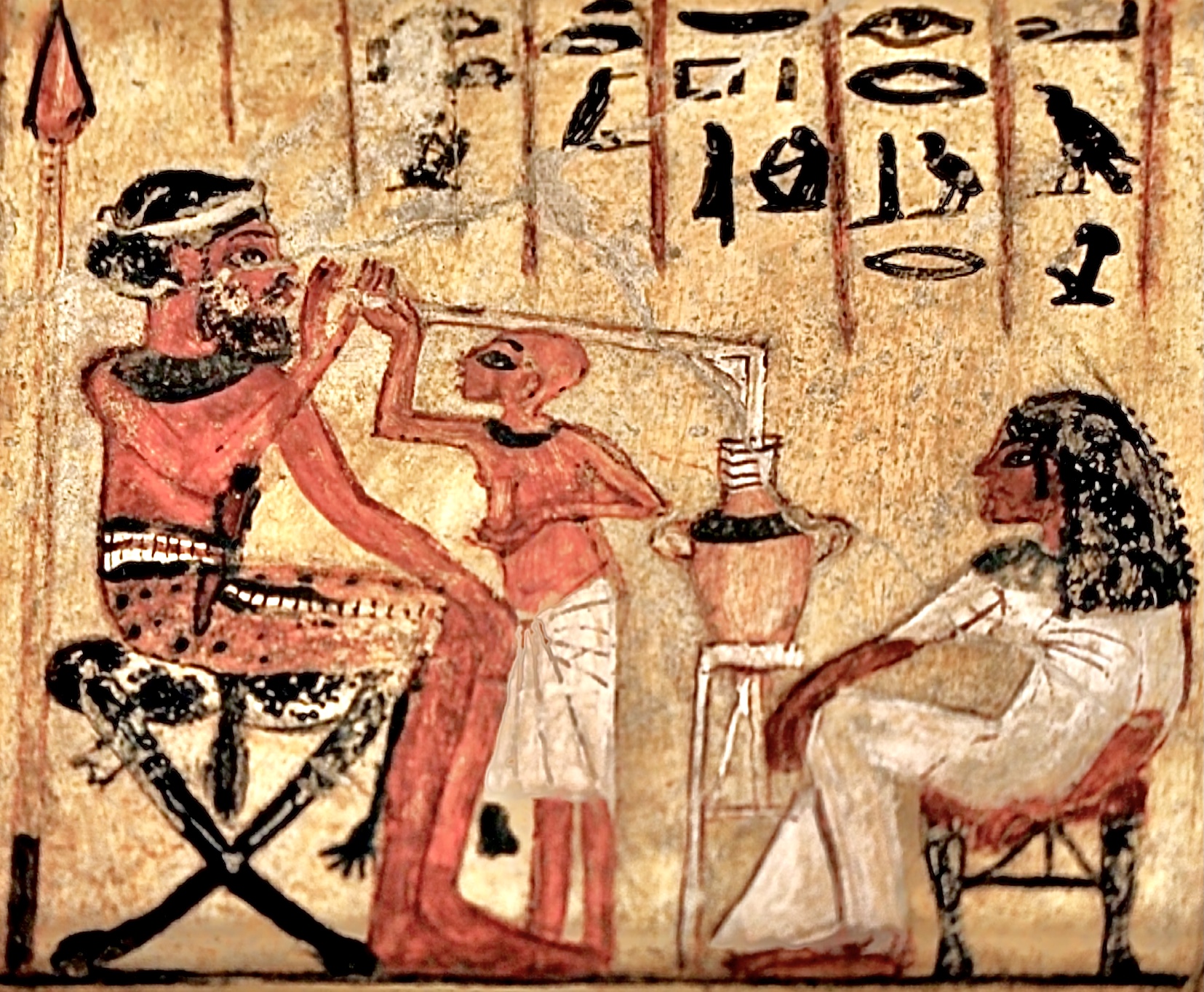
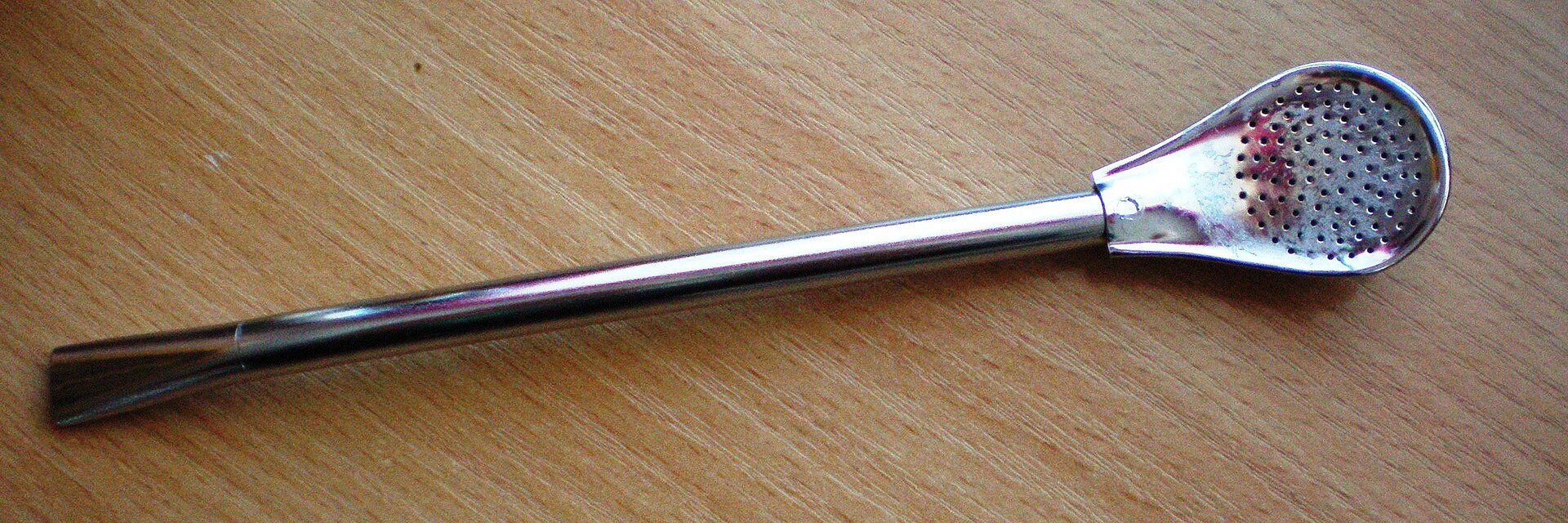
Straws might be far older than paper or plastic — and the case for it is still being argued. A 2022 study in the journal Antiquity reexamined a set of ornate gold and silver tubes, each over a meter long, excavated back in 1897 from the Maikop kurgan burial mound in the Russian Caucasus and long assumed to be ceremonial scepters. Archaeologist Viktor Trifonov’s team analyzed residue from one tube’s perforated silver tip and found barley-starch granules and a lime-tree pollen grain — what Trifonov called direct material evidence the tubes were used for drinking, possibly a herb-flavored barley beer sipped by several people at once through one shared vessel, essentially the world’s first group happy hour. But the researchers themselves were careful to call it a hypothesis rather than a settled fact, writing that the beer-straw interpretation “cannot be proven conclusively” from the residue alone and that further analysis is needed. If it holds up, it would push the drinking straw’s known history back roughly 5,500 years, about a thousand years earlier than the famous gold straw from the Royal Cemetery at Ur in Mesopotamia — and because unfiltered ancient beer was thick with grain husks, the slotted metal tip on the Maikop tubes would double as history’s earliest known straw filter.
Sources
Smithsonian’s Lemelson Center for the Study of Invention and Innovation, “The Straight Truth About the Flexible Drinking Straw,” for the Stone and Friedman histories.
Google Patents, US Patent 375,962 (“Artificial Straw,” Marvin C. Stone, 1888) and US Patent 2,094,268 (“Drinking Tube,” Joseph B. Friedman, 1937), for the original filings.
Antiquity journal research by Viktor Trifonov et al., as reported by Smithsonian Magazine, on the Maikop kurgan tubes and the hypothesis that they were early drinking straws, including the study’s own caution that the beer-straw interpretation is not conclusively proven.
PUNCH, “Where Did the Straw Actually Come From?” for context on rye-grass straws and 19th-century cocktail culture.
Explore more: more true stories behind everyday objects.
drinking straws FAQs
Who really invented the drinking straw?
No single person did. Marvin Stone patented the modern paper straw in 1888, and Joseph Friedman patented the bendable straw in 1937. Straws themselves go back much further — possibly to metal tubes over 5,000 years old, though that’s still debated.
Why do bendy straws have ridges?
The ridges are corrugations, pressed in by Joseph Friedman’s dental-floss-and-screw method in 1937. They turn one weak bending point into many small folds, letting the straw flex without collapsing shut — the same principle used in flexible ducting.
What is the oldest known drinking straw?
The best-documented ancient straw is a gold tube from the Royal Cemetery at Ur, roughly 2500 BCE. Older still are gold and silver tubes from the Maikop kurgan in Russia, dated to about 3500 BCE — a 2022 Antiquity study found barley-starch residue on one tube’s filter tip, which researchers say is suggestive evidence they were drinking straws, but the team stopped short of calling it proven and said more analysis is needed.
Tales You Can Hold
Fun-facts books for curious kids, personalized books that star your child, and more from the FYI Tales Bookstore. Visit the Bookstore.
Photo: Horia Varlan from Bucharest, Romania / CC BY 2.0, via Wikimedia Commons.