
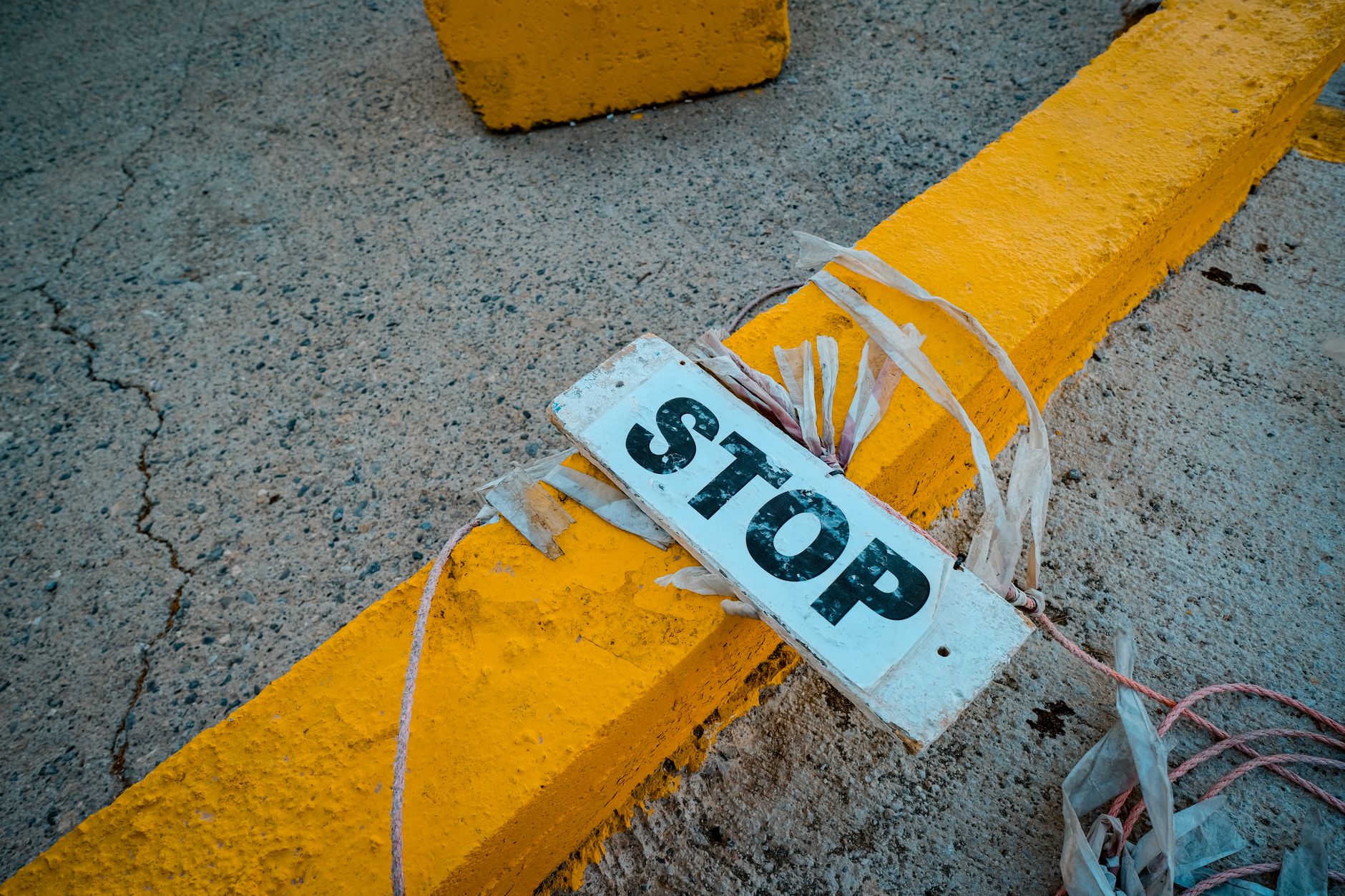
Why are stop signs octagons and not circles, squares, or triangles? The answer comes from a genuinely clever idea hatched by American highway engineers in the early 1920s: the more dangerous the situation, the more sides the sign should have.
Table of Contents
In 1923, the Mississippi Valley Association of State Highway Departments proposed a shape-coding system for the new national road network. Circles (effectively infinite sides) marked the most dangerous spots — railroad crossings. Octagons came next, for intersections demanding a full stop. Diamonds warned of caution zones, and squares or rectangles carried ordinary information.
A shape you can read in the dark
The logic ran deeper than ranking. In the 1920s, signs weren’t reliably lit and headlights were feeble, so a driver needed to recognize a sign’s meaning from its silhouette alone, before reading any text. No other common sign was an octagon, so eight sides meant “stop” even at night, in rain, or at distance.
The trick nobody notices: reading it backwards
Here’s the best part. Because the octagon is unique and symmetrical, a driver approaching an intersection from the other direction can recognize the back of the cross-street’s stop sign — a shapeless gray octagon facing away — and instantly know that cross-traffic is supposed to stop. No other sign communicates to drivers who can’t even see its face.
From yellow to red
Early stop signs were actually yellow with black letters, because durable red reflective coatings didn’t exist yet. Red — already the universal “stop” from railroad and traffic signals — only took over in 1954, when fade-resistant reflective materials finally made a red sign practical. The 1954 standard (white on red, eight sides) is essentially the sign you stopped at this morning.
The part most people miss
The shape hierarchy still whispers underneath modern American roads: round advance-warning signs at rail crossings, diamond caution signs, rectangular speed limits. It’s a 100-year-old danger language you already speak fluently without ever having been taught.
Next up in secret design: the pen-cap hole that saves lives.
Sources
- Manual on Uniform Traffic Control Devices (MUTCD) — historical editions
- American Association of State Highway Officials — early signage standards (1920s)
- Stop sign — Wikipedia (with citations)

1 thought on “Why Are Stop Signs Octagons?”