
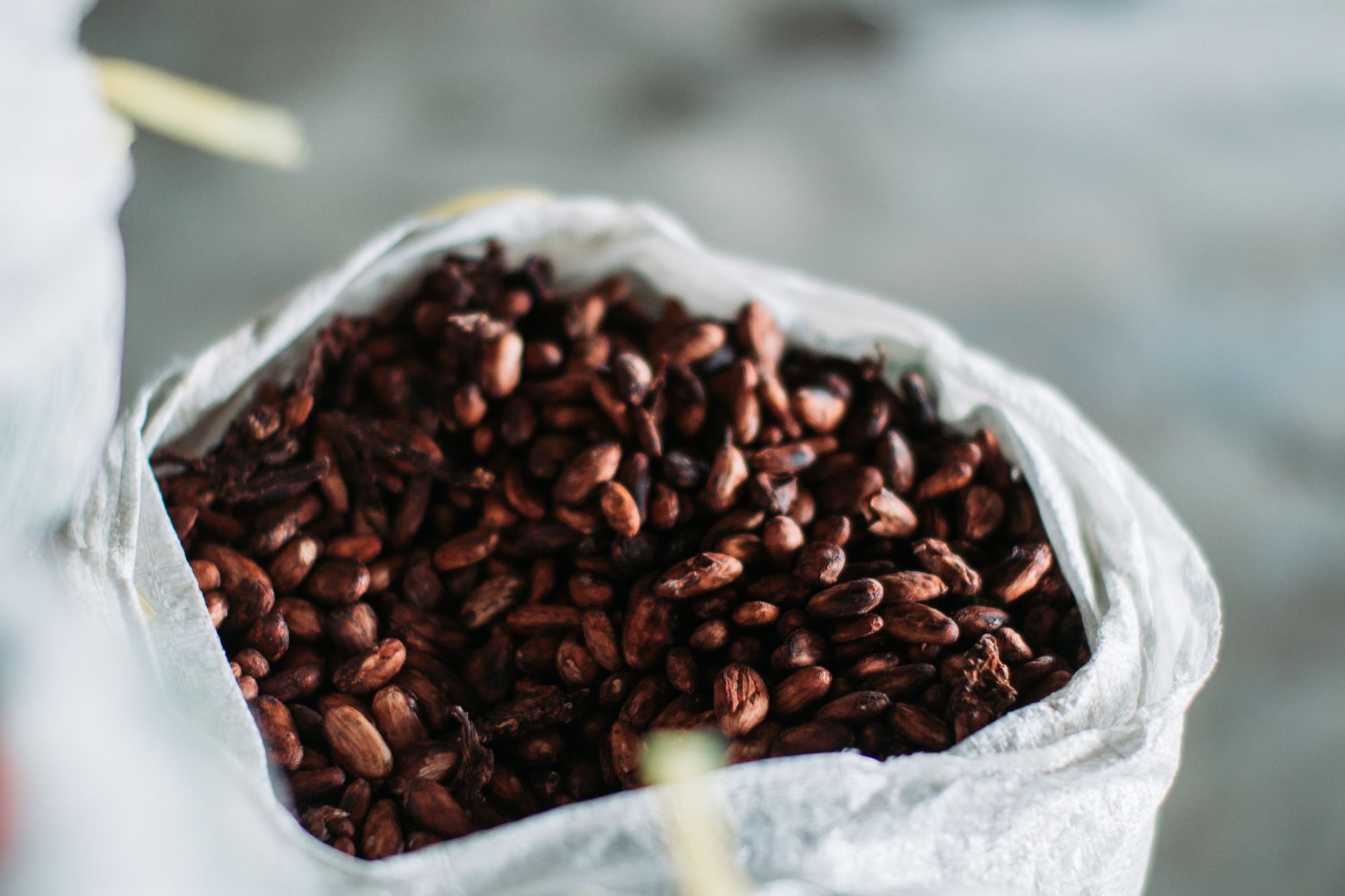
Imagine a world where chocolate is used as money — where you literally drink your savings. That was the economic reality across much of Mesoamerica for centuries. In the Aztec empire, cacao beans functioned as everyday currency: standardized enough to price goods, portable, countable, and valuable because everyone agreed they were.
Table of Contents
Spanish colonial records from the 1500s preserve actual price lists. One 16th-century account puts a turkey at around 100 full cacao beans, a fresh avocado at 3, and a large tomato at a single bean. Daily wages for porters were paid in beans. Cacao was small change and salary at once.
Money that grows on trees (but only certain trees)
Cacao worked as currency partly because it was hard to get. The trees grow only in humid lowlands, far from the highland Aztec capital, so beans arrived through taxation and long-distance trade — a natural scarcity control, like gold’s difficulty of mining. Tribute lists from conquered provinces record cacao by the xiquipilli, a standard sack of 8,000 beans.
And yes, there was counterfeiting. Archaeologists and Spanish chroniclers both describe fake cacao beans made from clay or wax, or hollowed real shells packed with mud. Officials checked coinage by pinching it.
Drinking cash
The strangest part of a cacao economy: the currency was also the luxury good. Elites consumed xocolatl — bitter, frothed, spiced chocolate drink — which meant the rich were literally drinking money. Some historians frame it as the purest flex in economic history: conspicuous consumption where the consumption destroys the currency itself.
The part most people miss
Cacao-as-currency didn’t die with the Aztecs. Spanish colonial Mexico kept using beans as small change into the 1700s because official small coinage stayed scarce — meaning chocolate outlasted the empire that monetized it by two centuries. The next time someone calls chocolate “rich,” they’re being more historically accurate than they know.
More money-flavored history: how popcorn saved the movie theater.
Sources
- Sophie D. Coe & Michael D. Coe, The True History of Chocolate
- 16th-century Spanish colonial price lists (Nahua market records, widely reproduced in scholarship)
- Smithsonian Magazine — coverage of cacao currency and counterfeit beans