
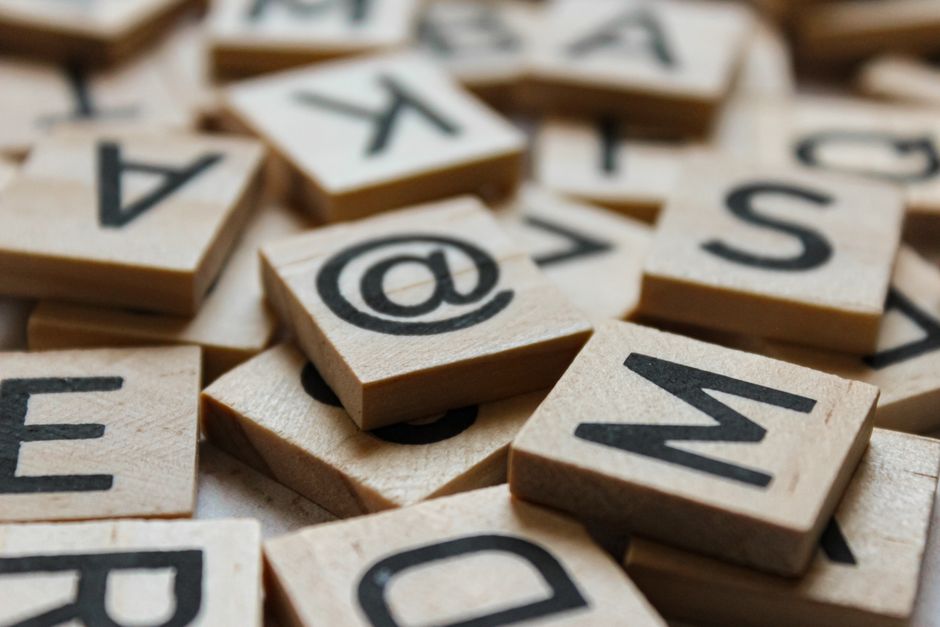
In 1536, a Florentine merchant named Francesco Lapi sat down in Seville to write a business letter home, and casually dropped in a little squiggle that looks exactly like the symbol sitting on the ‘2’ key of your keyboard right now. He wasn’t inventing anything clever. He was just doing math — shorthand for a unit of wine.
Table of Contents
That squiggle would spend the next four centuries doing quiet clerical work: pricing goods, filling ledgers, riding along on typewriter keyboards nobody thought twice about. Then in 1971, an engineer trying to solve a much smaller, nerdier problem — how does a computer know which machine to send a message to — plucked it off a Teletype and gave it the job it’s known for today. Here’s how a wine merchant’s shorthand became the most-typed character on Earth.
Quick answer
The @ symbol was already circulating among European merchants and scribes as an abbreviation for units of weight and price by the 1400s, with a possible sighting even earlier. In 1971, BBN engineer Ray Tomlinson repurposed the already-existing symbol to separate a username from a host computer’s name in the first networked email address — the meaning it carries today.
A wine merchant’s shorthand
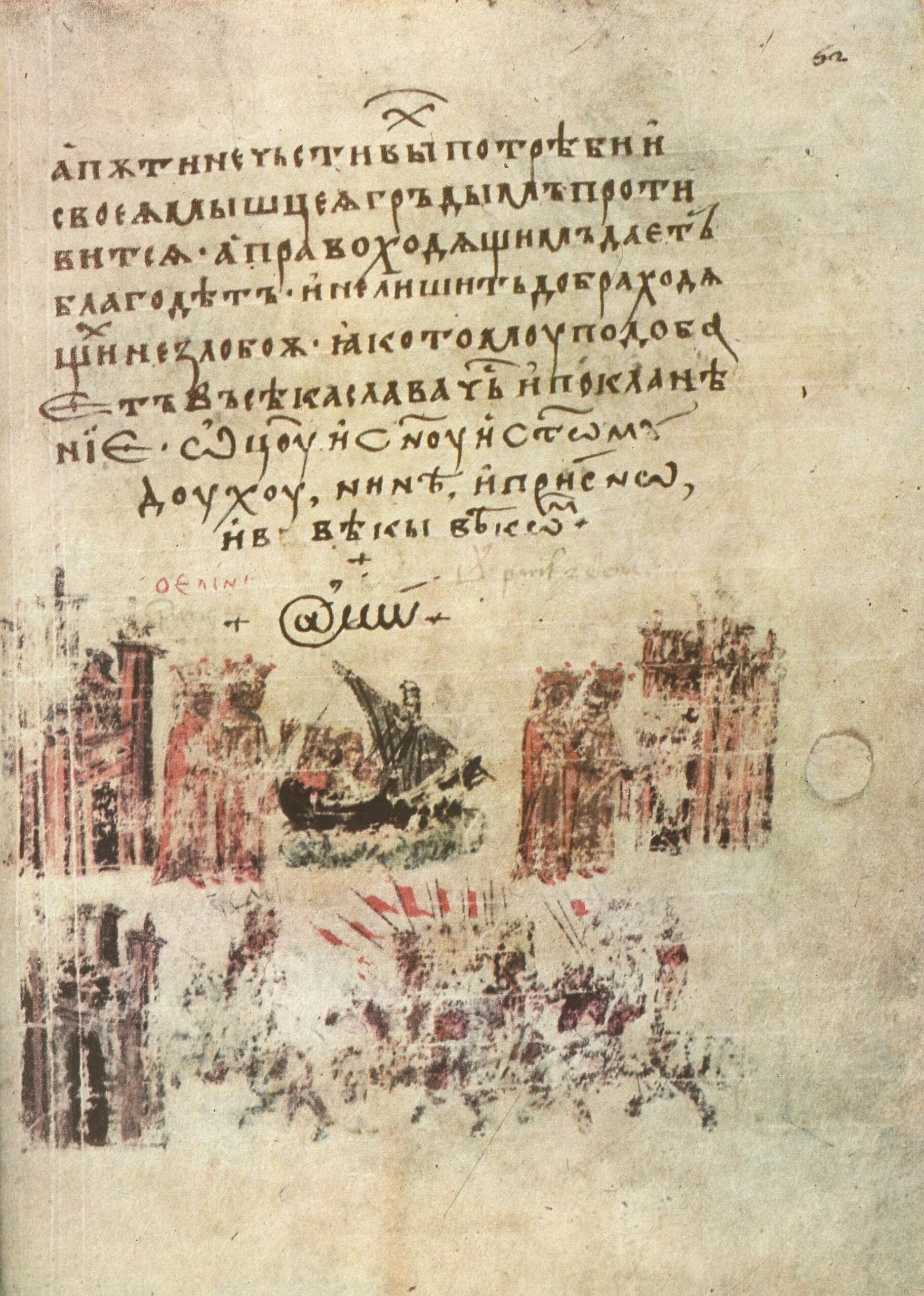
The oldest candidate for @’s first appearance sits in the Vatican Apostolic Library: a 1345 Bulgarian translation of a Greek chronicle by Constantinos Manasses, where a similar mark stands in for the word ‘amen.’ It’s a curiosity more than a clear lineage — the symbol’s real career starts with merchants.
By 1448, a Spanish trade record called the Taula de Ariza used an @-like mark to log a wheat shipment from Castile to Aragon. Spanish and Portuguese traders had a word for it: arroba, a unit of weight, borrowed from the Arabic ar-rubʿ, meaning ‘the quarter.’
The clearest, best-documented sighting came from an Italian historian named Giorgio Stabile, a professor at Rome’s La Sapienza University, who in 2000 turned up a letter dated May 4, 1536, written by the Florentine merchant Francesco Lapi from Seville. Lapi used the symbol as shorthand for ‘amphora’ — a jar-based unit of volume — writing that in Seville, an amphora of wine was ‘worth 70 or 80 ducats.’ Stabile noted the looping tail was ‘typical of that merchant script’ Italian traders had developed since the Middle Ages, and that Spanish-Latin dictionaries of the period treated arroba and amphora as synonyms. For centuries after, the symbol kept doing this same unglamorous job: meaning ‘at the rate of’ on invoices — ’10 crates @ $2 each.’ That’s exactly why it earned a spot on typewriter and, later, Teletype keyboards, long before anyone had heard of email.
The loneliest key on the keyboard
Fast-forward to 1971. Ray Tomlinson was an engineer at Bolt Beranek and Newman (BBN), the Cambridge, Massachusetts firm helping build ARPANET, the Pentagon-funded precursor to the internet. Tomlinson had been tinkering with a program called SNDMSG, which let users leave messages for each other on the same shared computer, and CPYNET, a tool for shuttling files between separate machines. He realized that stitching the two together would let someone send a message to a person on a completely different computer — the first real email.
That raised an obvious problem: how do you write an address that says ‘this person, on that machine’ without it getting confused with a regular username? Tomlinson needed a character that would never show up in someone’s name. Looking down at his Model 33 Teletype keyboard, he found @, an obscure punctuation mark nobody used for anything in computing. ‘I was mostly looking for a symbol that wasn’t used much,’ he told Smithsonian magazine in 2012. ‘And there weren’t a lot of options — an exclamation point or a comma. I could have used an equal sign, but that wouldn’t have made much sense.’ The @ already meant ‘at’ from its invoicing days, so user@host read almost like plain English.
Tomlinson sent the test message — probably something forgettable like ‘QWERTYUIOP,’ by his own hazy recollection years later — between two machines sitting side by side in the same room. He later joked that the first email is ‘completely forgettable, and, therefore, forgotten.’ The address format he improvised that day never changed. Tomlinson died in 2016 at 74, remembered, as the Boston Globe put it, as the man who chose @ for email.
The part most people miss
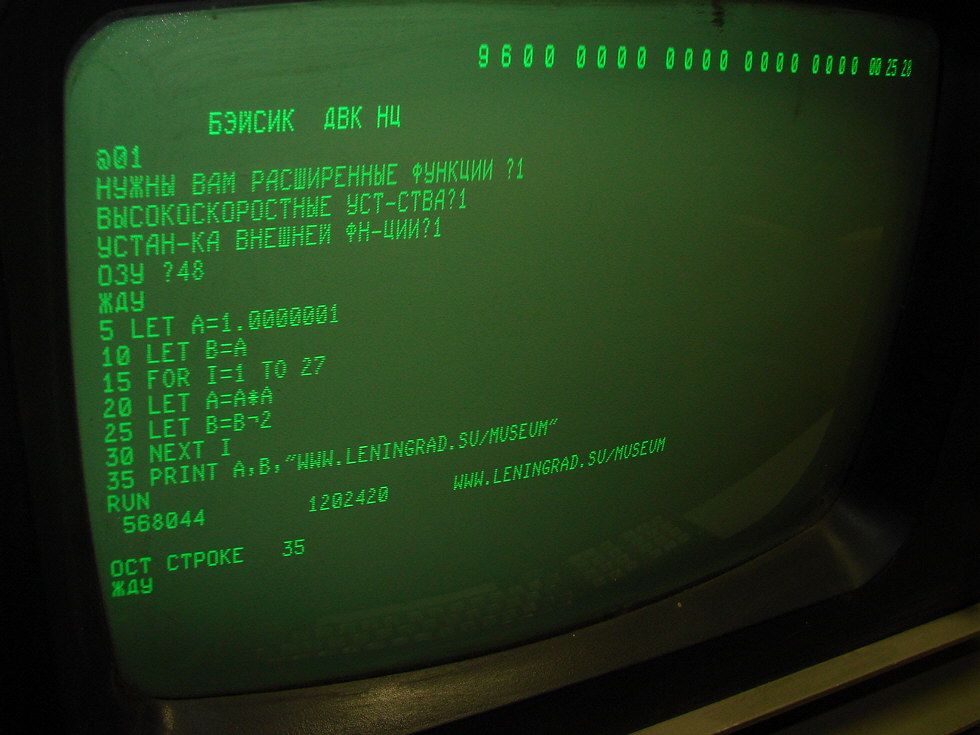
Tomlinson didn’t invent the @ symbol, and he didn’t even put it on a computer keyboard — it had been riding along on typewriters and Teletypes for decades as everyday accounting shorthand, largely ignored. His actual contribution was narrower and, in hindsight, more interesting: he took a symbol everyone already recognized but nobody was using for anything digital, and gave it a brand-new job it turned out to be perfect for. It’s also worth noting how recent our knowledge of the symbol’s deep history is — Giorgio Stabile’s discovery of the 1536 Lapi letter wasn’t made until 2000, meaning email had already been mainstream for years before historians pinned down where its signature character actually came from. And the symbol keeps getting reinterpreted: Italians call it chiocciola (‘snail’), the Dutch call it apestaart (‘monkey’s tail’), Germans call it Klammeraffe (‘spider monkey’), Danes call it snabel (‘elephant’s trunk’), Hebrew speakers call it strudel, and Mandarin speakers in Taiwan call it ‘little mouse.’ Five centuries on, everyone still sees something different in that little curl.
Sources
Wikipedia’s ‘At sign’ entry, which compiles the documented early sightings including the 1345 Bulgarian manuscript and the 1448 Taula de Ariza registry.
Smithsonian Magazine, ‘The Accidental History of the @ Symbol’ (2012), which reports Giorgio Stabile’s discovery of the 1536 Francesco Lapi letter and quotes Ray Tomlinson on choosing the symbol for email.
The Boston Globe, ‘Ray Tomlinson, @ 74; pioneer of e-mail’ (2016), an obituary detailing his work at BBN and the 1971 creation of networked email.
Explore more: more true stories behind everyday words and phrases.
@ symbol FAQs
Who invented the @ symbol?
No single person invented it. It shows up in European merchant and scribal records centuries before computers, most notably in a 1536 letter by Florentine merchant Francesco Lapi, where it stood for a unit called an amphora.
Why did Ray Tomlinson choose @ for email addresses?
He needed a character that would never appear in a person’s name, to separate a username from a host computer. The @ symbol was sitting unused on his Model 33 Teletype keyboard and already meant ‘at,’ so he repurposed it in 1971.
When was the first email sent?
In 1971, Ray Tomlinson, an engineer at Bolt Beranek and Newman, sent the first networked email between two computers at his workplace, using the user@host address format he invented on the spot.
What is the @ symbol called in other languages?
Names vary widely by what people see in its shape: ‘snail’ in Italian, ‘monkey’s tail’ in Dutch, ‘spider monkey’ in German, ‘elephant’s trunk’ in Danish, and ‘strudel’ in Hebrew, among many others.
Tales You Can Hold
Fun-facts books for curious kids, personalized books that star your child, and more from the FYI Tales Bookstore. Visit the Bookstore.
Photo: Barcex / CC BY-SA 3.0, via Wikimedia Commons.