
You blow your nose, glance at the tissue, and there it is: swampy green. Every instinct says the same thing — infection’s gotten serious, time to call the doctor for antibiotics. It’s one of the most confidently repeated pieces of medical folk wisdom out there, passed down by parents, nurses, and even some doctors.
Table of Contents
The color really does come from your immune system doing something specific and real. What it doesn’t do, according to the researchers who’ve actually tested the claim, is reliably tell you whether bacteria are involved at all.
Quick answer
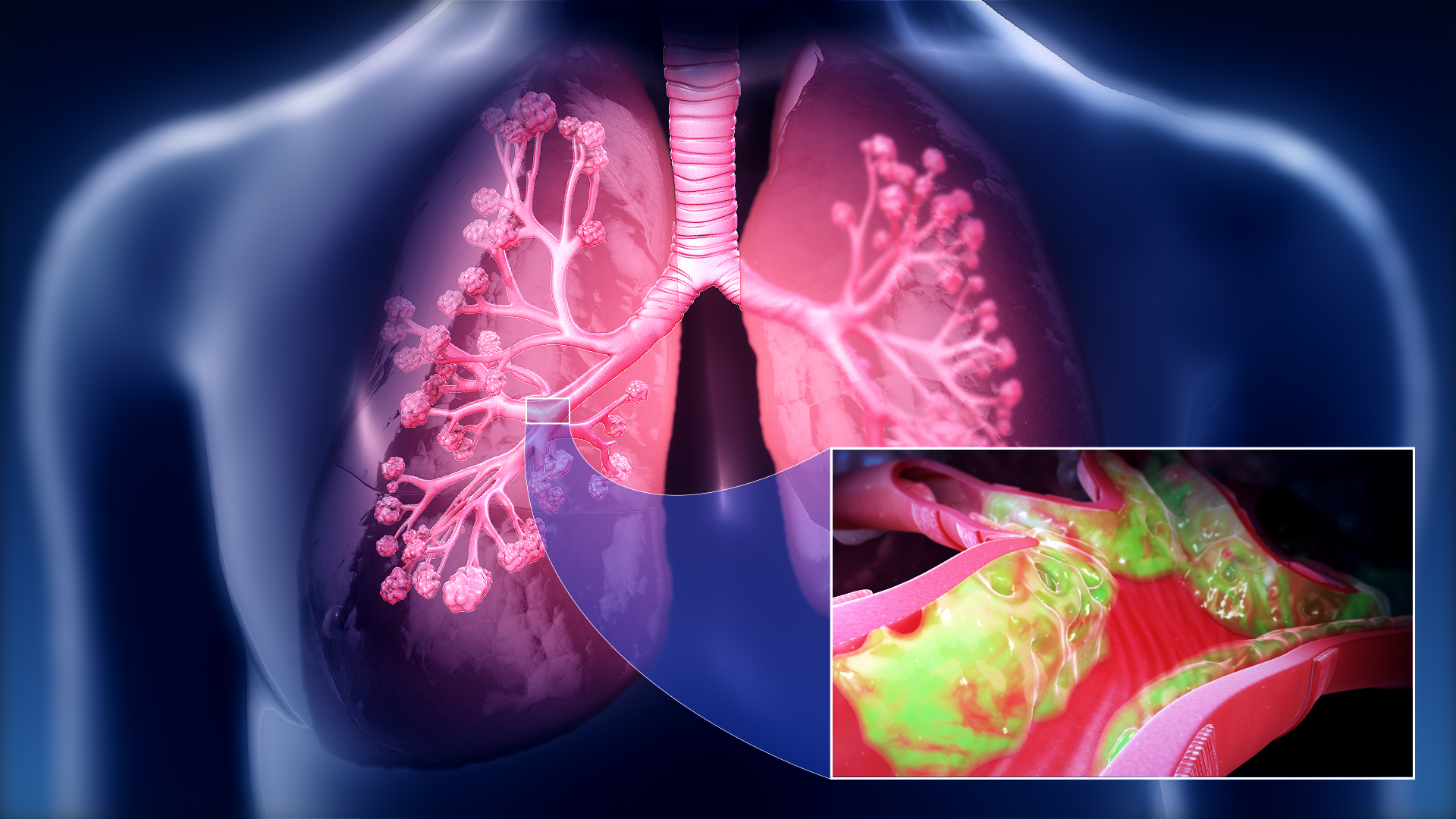
Snot color mostly tracks how hard your immune system is working, not whether a virus or bacteria caused the problem. Green and yellow come from an iron-containing enzyme released by white blood cells as they fight off any invader — so a bad viral cold can turn snot just as green as a bacterial sinus infection.
The enzyme behind the green
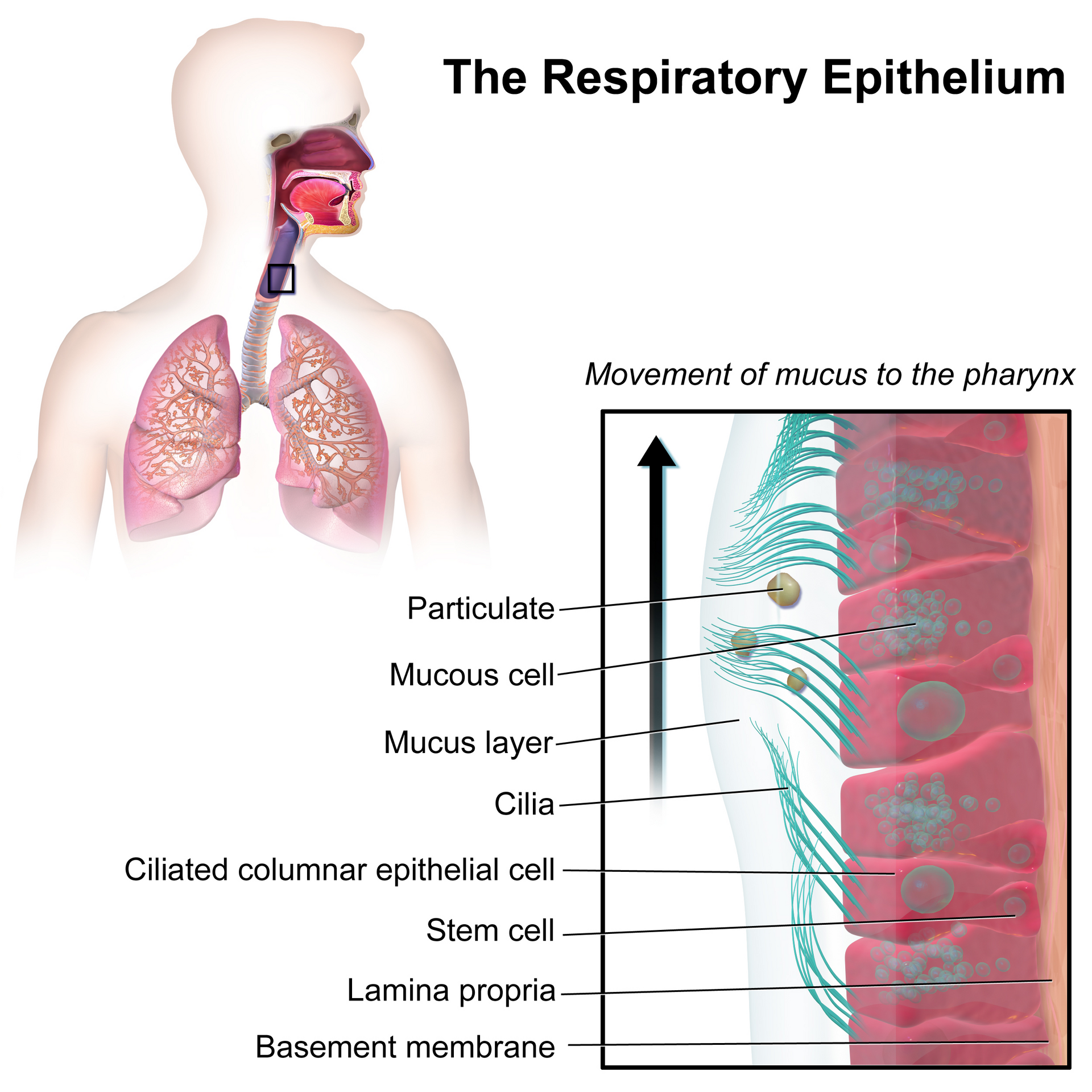
In 2010, science writer Valerie Ross went looking for an answer to a question kids ask constantly, and got it from Dr. Harry Malech, a neutrophil specialist at the National Institute of Allergy and Infectious Diseases. Neutrophils are the immune cells that rush toward infection or irritation and start engulfing whatever’s causing trouble. To do that, they’re packed with an enzyme called myeloperoxidase — and myeloperoxidase happens to be loaded with iron.
‘Myeloperoxidase has a lot of iron in it, and in the environment provided by the surrounding snot, the iron turns a green color,’ Malech told Ross. It’s the same basic chemistry that makes blood red: iron-containing proteins tint fluid when they’re released in bulk. When neutrophils have been working for a while, they break down and spill their myeloperoxidase into the mucus, and the green gets more vivid the longer the immune response runs.
Then someone actually tested the belief
The trouble is that neutrophils show up for viral infections too — colds, flu, even allergic inflammation can summon them. So researchers started asking a more useful question: if you actually measure it, does mucus color predict bacteria? A pooled analysis of six multicentre studies (over 4,000 sputum samples), published in the European Respiratory Journal, found that green or yellow sputum was about 95% sensitive for bacterial presence — meaning if bacteria really were there, discolored mucus almost always showed it. But specificity was only around 15%. That’s the number that trips people up: it doesn’t mean colored mucus fails to rule bacteria out. It means colored mucus is bad at ruling bacteria in. A huge share of green or yellow samples showed up in people with no bacterial culture at all, so seeing the color tells you almost nothing about whether antibiotics would actually help.
In 2016, University of Adelaide microbiologist John Turnidge tackled the myth head-on in The Conversation, writing plainly that green or yellow mucus meaning bacterial infection ‘isn’t true.’ The color, he explained, is just a normal stage of inflammation — your immune system doing its job on a virus, most of the time — and antibiotics ‘provide no benefit’ for the colds, acute bronchitis, and sinus infections where the myth usually gets invoked.
The part most people miss
The part almost nobody clocks: you’re most contagious during the boring, clear, runny stage of a cold — not once the green, gunky, alarming-looking stuff shows up. By the time neutrophils have flooded in and turned things green, Turnidge noted, viral shedding has usually already dropped off. So the exact moment people start worrying they’re spreading germs is often the moment they’re least likely to be doing so. Where the myth itself came from is murkier — Turnidge suggests it’s a leftover mix-up with pus, which genuinely does signal bacterial infection in things like boils and abscesses, bleeding over into an assumption about mucus that never held up to testing.
Sources
The Conversation, ‘Health Check: does green mucus mean you’re infectious and need antibiotics?’ by John Turnidge, Affiliate Professor, University of Adelaide (August 15, 2016).
Scienceline, ‘What Makes Snot Turn Green?’ by Valerie Ross, quoting Dr. Harry Malech of the National Institute of Allergy and Infectious Diseases (February 1, 2010).
European Respiratory Journal, pooled analysis ‘Sputum colour and bacteria in chronic bronchitis exacerbations,’ reporting 94.7% sensitivity and roughly 15% specificity for sputum color as a marker of bacterial presence.
Explore more: more true stories about how your body actually works.
snot color FAQs
Does green or yellow mucus mean I need antibiotics?
Not on its own. A large pooled study found colored mucus shows up in about 95% of cases where bacteria are present, but it also shows up constantly when bacteria aren’t — its specificity is only around 15%. So seeing color doesn’t confirm a bacterial infection, and most colds, bronchitis, and sinus infections clear up without antibiotics regardless of color.
Why does mucus turn green in the first place?
White blood cells called neutrophils release an iron-rich enzyme, myeloperoxidase, as they fight off infection or irritation. The iron tints the mucus green, the same way iron in blood makes it red.
When is a cold actually most contagious?
Usually during the early, clear, runny-nose phase — before mucus turns colored, not after. By the time green mucus shows up, viral shedding has often already declined.
When should mucus color actually worry me?
See a doctor if symptoms last more than about 10 days, keep worsening after initially improving, or come with high fever or facial pain — those patterns matter more than color alone.
Tales You Can Hold
Fun-facts books for curious kids, personalized books that star your child, and more from the FYI Tales Bookstore. Visit the Bookstore.
Photo: see source / CC BY 2.5, via Wikimedia Commons.