
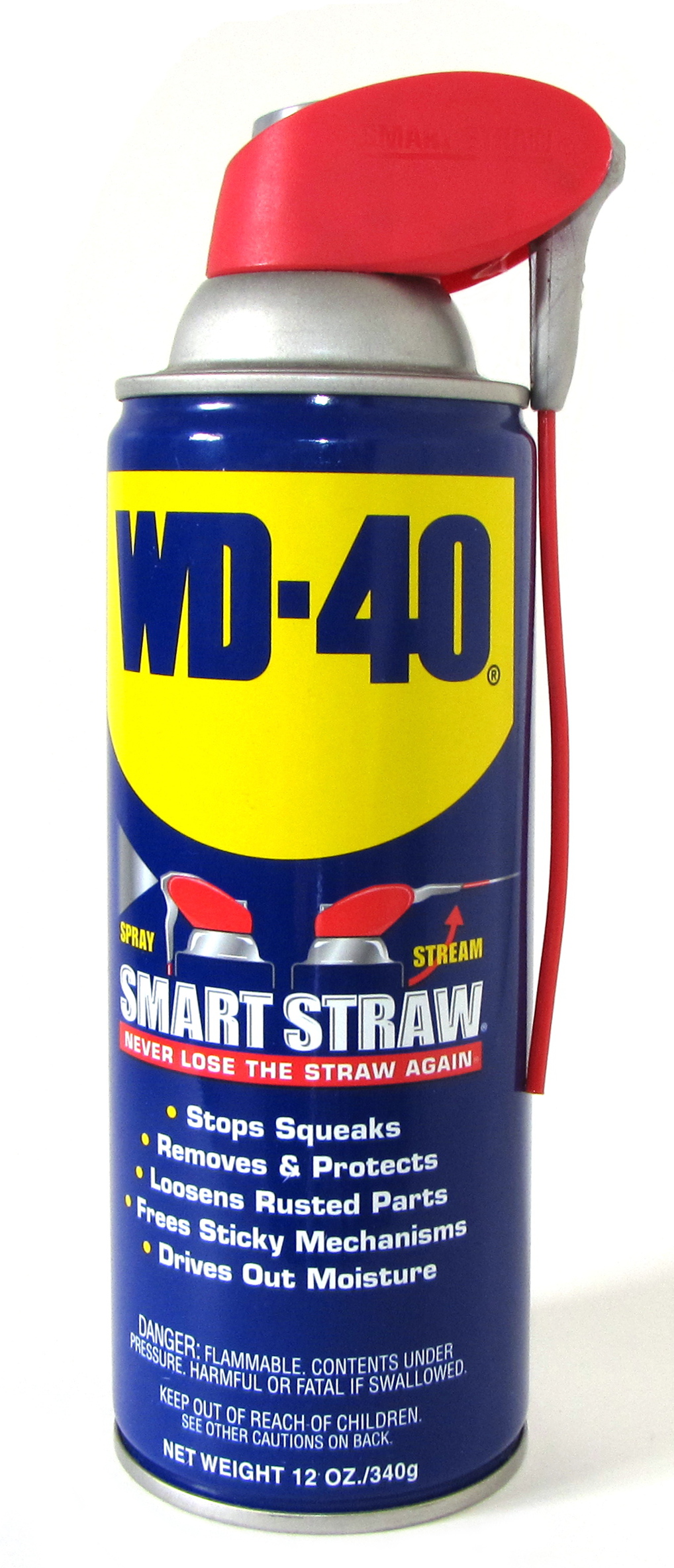
Look at a can of WD-40 and the “40” isn’t a marketing flourish. It’s an entry number, straight out of a 1953 lab notebook — formula No. 40, the one that finally worked after 39 that didn’t. Nobody in a boardroom sat around picking a catchy name. Somebody just wrote down what it was and never changed it.
Table of Contents
The product wasn’t built for your garage, either. It was built to keep a missile from rusting. And the man history usually credits for inventing it may not be the man who actually did. That’s the part that makes this one worth telling.
Quick answer
WD-40 stands for “Water Displacement, 40th formula” — the label came directly from a San Diego lab notebook in 1953. It was developed for the aerospace industry, not consumers, and only reached store shelves in 1958 after factory workers started sneaking cans home to use around the house.
A missile-skin problem in 1953
On September 23, 1953, three men — Norman B. Larsen, Gordon Dawson, and John B. Gregory — founded the Rocket Chemical Company in San Diego, California, with a three-person staff and one goal: make rust-prevention solvents for the aerospace industry. Their first real client was Convair, the aerospace contractor building the Atlas missile, which needed something to stop the missile’s bare metal skin from corroding.
Getting a formula that would actually displace water off metal and hold a protective film took 40 attempts. The 39 before it apparently didn’t make the cut. When the 40th one worked, someone wrote “WD-40” in the log, and that notebook shorthand became the entire brand. There’s no evidence — despite the story circulating — that the company ever floated or rejected a fancier consumer-style name. It simply never occurred to anyone that it needed one, because the product wasn’t headed for a store shelf. It was headed for a missile factory.
Lunchboxes, not marketing, put it on shelves
WD-40 worked so well at Convair that employees started smuggling cans out in their lunchboxes to use at home — on squeaky hinges, rusted tools, stuck bolts. Company president Norm Larsen noticed the pattern and put the formula into aerosol cans for the public. It hit San Diego store shelves in 1958, five years after it was invented, still carrying the exact same industrial designation. By 1969, the company had sold nothing else for so long that it renamed itself the WD-40 Company.
The formula has never been patented, and that’s deliberate: a patent expires and forces you to publish your ingredients. WD-40 chose to protect it as a trade secret instead, which can last forever as long as nobody leaks it. The original handwritten formula still exists on a notepad, and in 2018, for the company’s 65th anniversary, it was moved to a Bank of America vault in San Diego under armed escort — with the CEO reportedly handcuffed to the case during the transfer.
The part most people miss
Company lore credits president Norman B. Larsen with cracking the formula. But San Diego historian Iris Engstrand, writing in the Journal of San Diego History, makes the case that the real inventor was a different man entirely: Iver Norman Lawson, a mechanical engineer — not a chemist — who worked out the water-displacing mixture in his own home garage and sold it to the fledgling company for $500, with no stock and no royalties. Two men with strikingly similar names, both roughly the same age, appear to have gotten swapped in the retelling over the following decades. Because the formula was never patented, there’s no filed paperwork naming an inventor to settle the question — Wikipedia itself now flags Larsen’s credit as “not certain.” If Engstrand is right, the man who actually got the 40th try to work was written out of his own invention’s history, while a colleague with a similar name became the face of it.
Sources
WD-40 Company’s official corporate history page, which documents the 1953 founding, the founders’ names, and the 40-attempt story as the company tells it.
Wikipedia’s entries on WD-40 and on Norman Larsen, both of which cite historian Iris Engstrand’s research disputing the standard invention credit and noting the confusion between Larsen and Iver Norman Lawson.
KXAN News reporting on the WD-40 formula’s storage in a San Diego bank vault, including the 2018 transfer and background on Lawson’s role in developing it for the U.S. Navy’s corrosion problem.
Explore more: More accidental inventions.
WD-40 FAQs
What does WD-40 actually stand for?
Water Displacement, 40th formula — the name comes directly from a 1953 lab notebook entry for the fortieth attempt at a working formula, the one that finally succeeded.
Who really invented WD-40?
Officially, Rocket Chemical Company co-founder Norman B. Larsen gets the credit. But San Diego historian Iris Engstrand argues the actual inventor was engineer Iver Norman Lawson, whose name was later confused with Larsen’s, leaving him largely uncredited.
Has the WD-40 formula ever been patented?
No. The company has always protected it as a trade secret instead of a patent, since a patent would eventually expire and require the recipe to be published. The original handwritten formula is now kept in a bank vault in San Diego.
Tales You Can Hold
Fun-facts books for curious kids, personalized books that star your child, and more from the FYI Tales Bookstore. Visit the Bookstore.
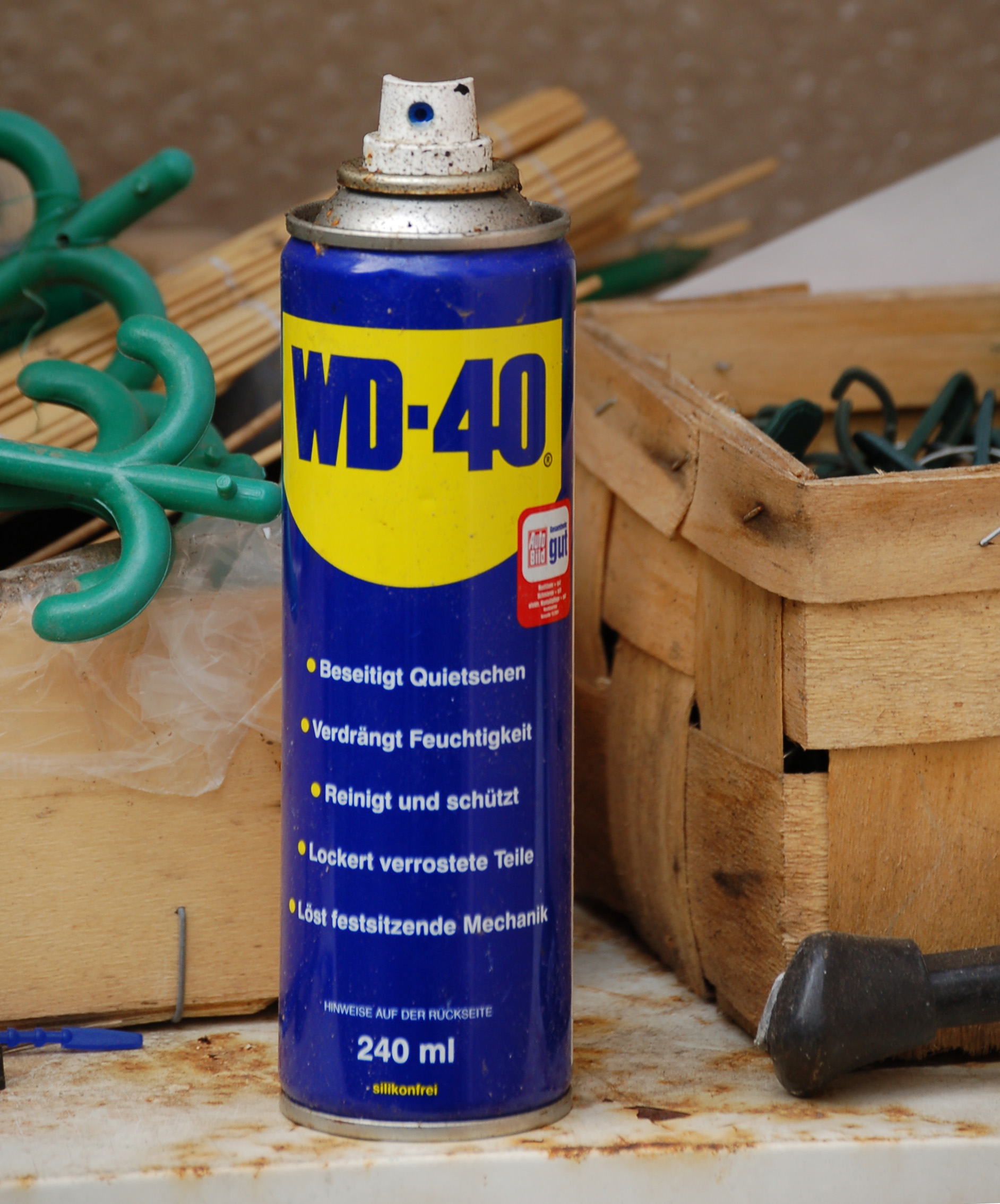
Photo: ZooFari / CC BY 3.0, via Wikimedia Commons.