
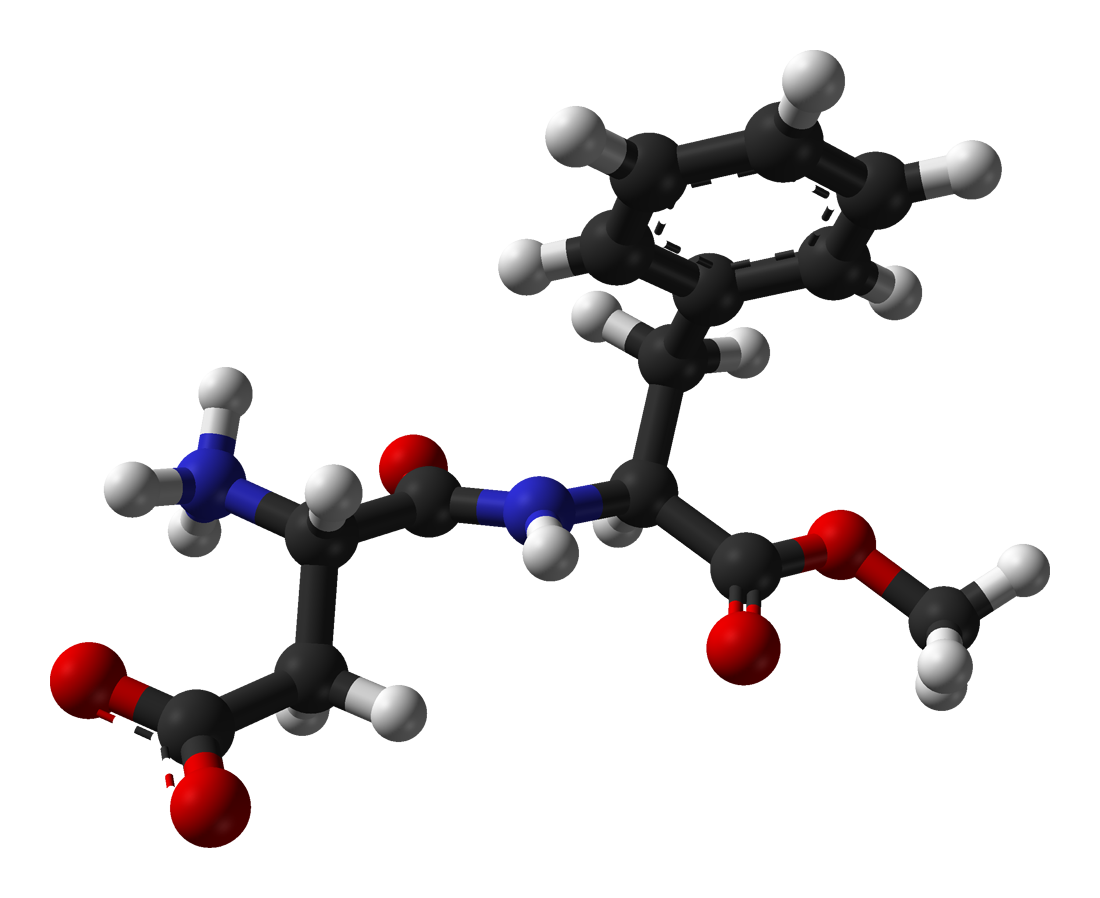
In December 1965, a chemist at an Illinois pharmaceutical lab licked his finger to flip a page of paper and tasted something startlingly, almost impossibly sweet. He wasn’t tasting a new candy or a soda additive. He was chasing a cure for stomach ulcers, and the compound on his hand had nothing to do with sugar at all.
Table of Contents
That reflex, the kind that would get you thrown out of any lab today, is the actual origin of aspartame. No white-coated eureka moment, no deliberate hunt for a sugar substitute. Just a chemist named James M. Schlatter, a beaker of leftover research chemical, and an old habit of licking his fingertip to grab a stuck piece of paper.
Quick answer
Aspartame was discovered by accident in December 1965 by James M. Schlatter, a chemist at G.D. Searle & Company, while he was researching an anti-ulcer drug. The compound spilled on his hand, and when he licked his finger to pick up a piece of paper, he noticed an intense sweet taste.
A drug that wasn’t supposed to taste like anything
Schlatter was working on gastrin analogs, peptide compounds meant to help treat ulcers, not sweeten anything. A colleague at Searle, chemist Robert Mazur, had synthesized aspartyl-phenylalanine methyl ester, one of many intermediate compounds in that research chase. Schlatter was heating a batch of it in methanol as part of the synthesis process.
At some point the mixture bumped and a bit of it splashed onto the outside of the flask, and from there onto his fingers. It was a minor, unremarkable lab mishap, the kind that happens dozens of times a week in any organic chemistry lab. He didn’t think much of it and kept working.
The taste that shouldn’t have been there
Later, reaching for a piece of weighing paper, Schlatter licked his fingertip out of habit. What he noticed, as he later described it, was a very strong, sweet taste, nothing like the bitter or chemical notes he’d expect from a research compound. Curious rather than alarmed, he went back and deliberately tasted a small amount of the aspartyl-phenylalanine methyl ester he’d been synthesizing, confirming the sweetness wasn’t a fluke.
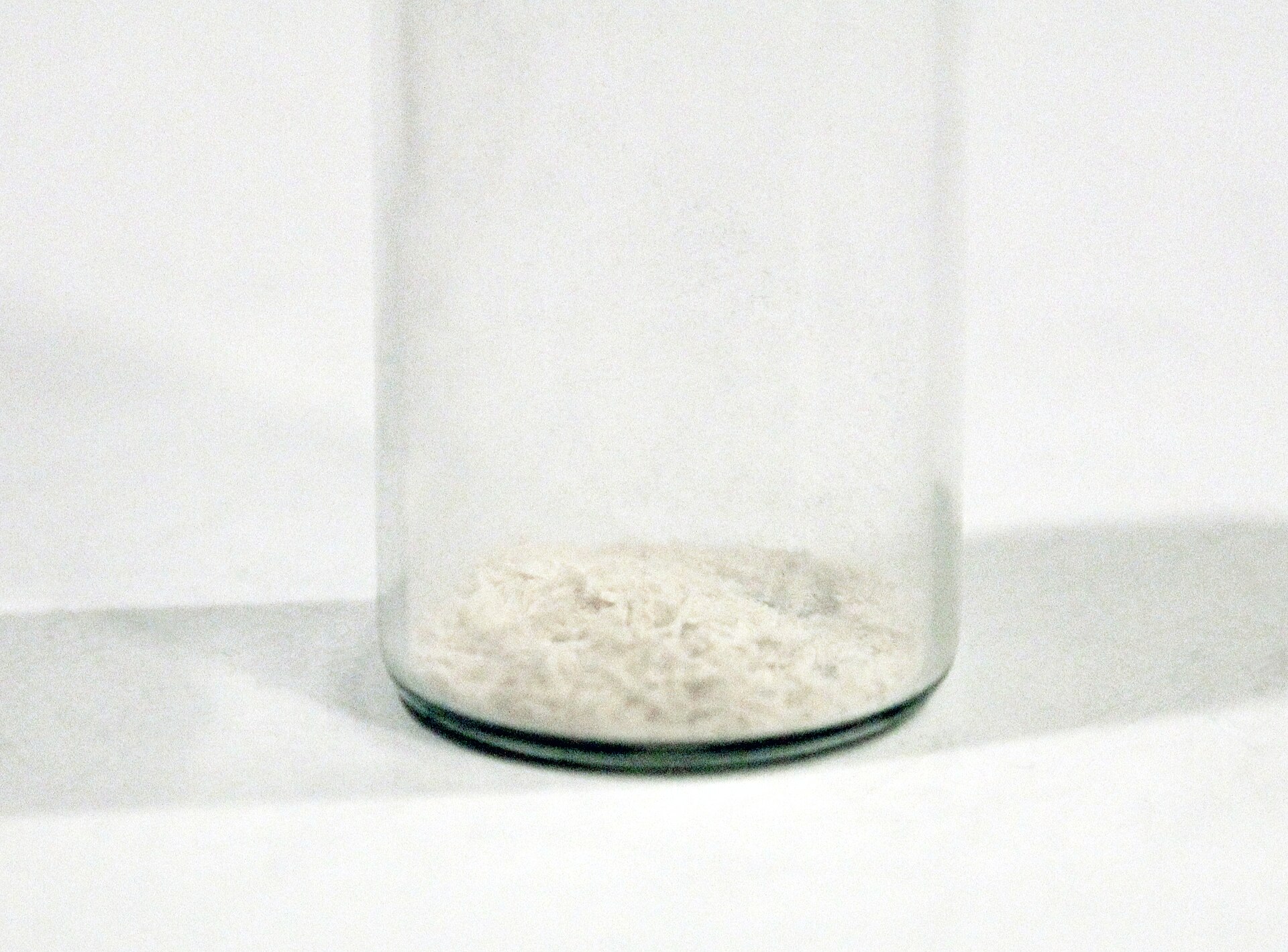
That compound is aspartame. Searle recognized the commercial potential almost immediately. The company filed for a patent, and in 1970 was granted U.S. Patent 3,492,131 covering the sweetening use of the compound. The timing helped: cyclamate, then a leading artificial sweetener, had just been banned by the FDA in 1969 over cancer concerns, and saccharin was facing its own safety questions. A new, intensely sweet compound that used a fraction of the quantity of sugar to achieve the same effect looked like a golden ticket.
The part most people miss
The accidental discovery is the fun part of the story, but the more revealing chapter is what happened after Searle tried to bring aspartame to market. The FDA approved it in 1974, only to have that approval challenged almost immediately by objectors, including attorney Jim Turner and neuroscientist Dr. John Olney, who raised concerns about brain effects and pointed to irregularities in Searle’s own testing data. By 1976, the FDA had stayed its approval and launched an investigation into Searle’s lab practices, which turned up sloppy and, by some accounts, manipulated records. A formal Public Board of Inquiry then convened and, in 1980, voted to keep aspartame off the market, citing unresolved questions about brain tumors in lab animals.
Aspartame stayed in regulatory limbo until a very political moment arrived: Searle’s chief executive at the time was Donald Rumsfeld, who joined Ronald Reagan’s transition team after the 1980 election and reportedly told a Searle sales meeting he intended to push hard to get the additive approved. Reagan’s newly appointed FDA commissioner, Arthur Hull Hayes Jr., took office in April 1981 and had no prior background in food-additive regulation. Rather than accept the Board of Inquiry’s ruling, Hayes convened his own advisory panel of FDA scientists and a lawyer, who identified what they called errors in the board’s reasoning. In July 1981, Hayes used his authority as commissioner to personally overrule the Public Board of Inquiry and approve aspartame for dry foods. Approval for use in carbonated drinks followed in 1983, and Hayes left the agency later that year amid conflict-of-interest questions before taking a position with a public relations firm that counted Searle among its clients. Whatever you make of aspartame’s safety record since, which regulatory bodies worldwide have continued to review and uphold, the path from spilled beaker to supermarket shelf ran through a genuinely contested regulatory fight, not a straight line from lab bench to soda can.
Sources
Wikipedia’s entry on James M. Schlatter documents his biography and the December 1965 discovery circumstances at G.D. Searle & Company.
Wikipedia’s entry on NutraSweet covers the aspartame patent (U.S. 3,492,131), Searle’s commercialization, and the compound’s regulatory timeline.
Wikipedia’s entries on the Aspartame controversy and on Arthur H. Hayes Jr. detail the 1980 Public Board of Inquiry decision and Hayes’s 1981 overruling of that board as FDA commissioner.
Explore more: more accidental inventions.
aspartame FAQs
Who discovered aspartame and when?
James M. Schlatter, a chemist at G.D. Searle & Company, discovered aspartame’s sweet taste in December 1965 while researching an anti-ulcer drug.
Was aspartame really discovered by accident?
Yes. Schlatter wasn’t looking for a sweetener at all. A research compound spilled on his hand, and he tasted it by chance when he licked his finger to handle a piece of paper.
Why was aspartame’s approval controversial?
A Public Board of Inquiry voted in 1980 to keep aspartame off the market over unresolved safety questions. In 1981, newly appointed FDA commissioner Arthur Hull Hayes Jr. overruled that board and approved it, a decision that drew scrutiny given Searle CEO Donald Rumsfeld’s political ties to the incoming Reagan administration.
Tales You Can Hold
Fun-facts books for curious kids, personalized books that star your child, and more from the FYI Tales Bookstore. Visit the Bookstore.
Photo: Ben Mills / Public domain, via Wikimedia Commons.