
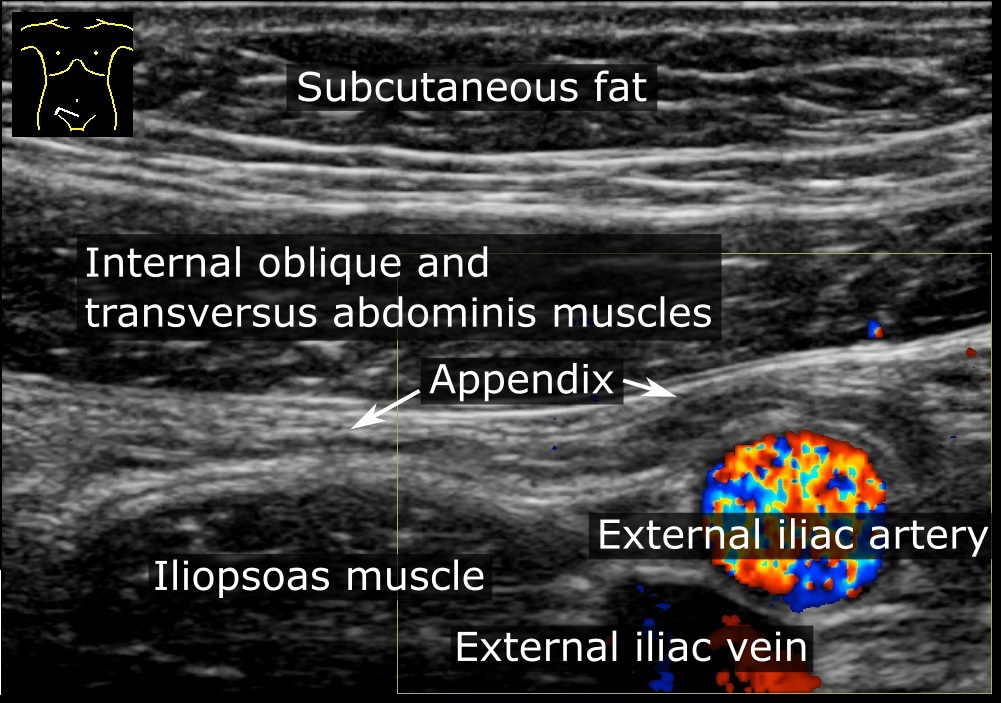
In 1886, a Harvard pathologist named Reginald Heber Fitz stood in front of colleagues and gave a deadly, mysterious abdominal pain a name: appendicitis. He also gave the little worm-shaped pouch attached to the large intestine a bad reputation it would carry for more than a century — a useless scrap of anatomy whose only real talent was trying to kill you.
Table of Contents
Charles Darwin agreed. In 1871 he listed the appendix among the human body’s “rudimentary” leftovers, a shrunken remnant of a plant-digesting pouch our leaf-eating ancestors supposedly no longer needed. That verdict stuck for generations, right up until a Duke University surgeon started looking at the appendix under a microscope instead of just cutting it out.
Quick answer
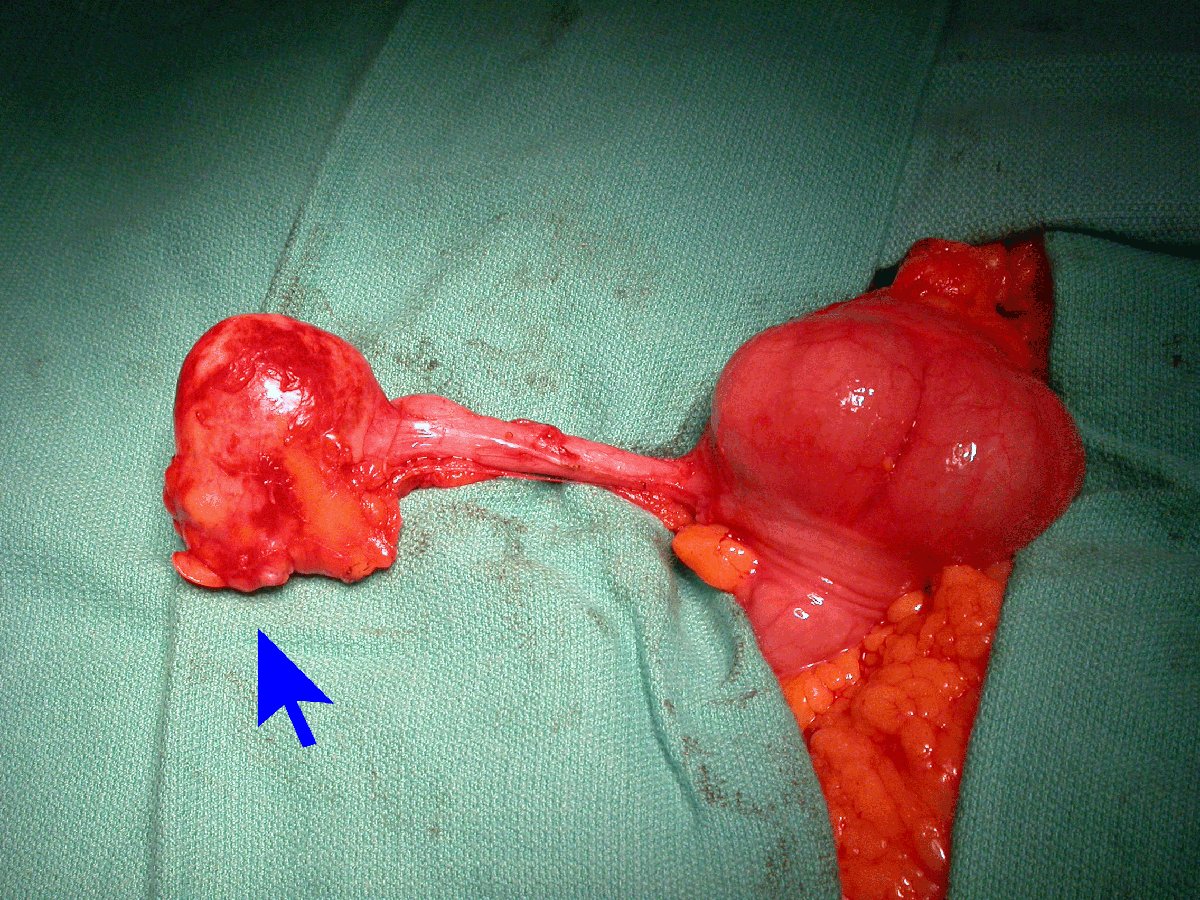
No — research increasingly suggests the appendix isn’t a functionless evolutionary leftover. It appears to act as a protected reservoir for beneficial gut bacteria, and it has evolved independently in mammals dozens of separate times, which is not something natural selection tends to do with junk.
The organ everyone loved to hate
For most of modern medical history, the appendix’s whole identity was the emergency it caused. Once Fitz named appendicitis and surgeons like Charles McBurney worked out how to diagnose and remove an inflamed appendix quickly, appendectomy became one of the most common operations in the world. If a body part’s main claim to fame is the surgery invented to yank it out, “useless” starts to sound like the obvious conclusion.
And Darwin’s vestigial-organ theory gave that hunch scientific cover. If the appendix was just a shrunken version of the cecum that plant-eating ancestors used to ferment tough vegetation, then in an omnivorous, cooked-food-eating species like us, it made sense that it had withered into a dangling, purposeless tube — one whose only job left was occasionally getting infected.
A safe house for the good bacteria
That story cracked open in 2007, when Duke University immunologist William Parker and surgeon R. Randal Bollinger, along with colleagues Andrew Barbas, Errol Bush, and Shu Lin, published a hypothesis in the Journal of Theoretical Biology. Parker’s lab had been studying biofilms — thin, protective layers of mucus, immune molecules, and bacteria — lining the gut, and the appendix turned out to be an unusually good place for one to hide.
The appendix sits tucked below the normal one-way traffic flow of the large intestine and is packed with lymphatic tissue that nurtures helpful microbes rather than attacking them. The researchers proposed that during a severe gut infection — cholera or dysentery, historically — the diarrhea that purges harmful bacteria could also wipe out the beneficial bacterial community living in the rest of the intestine. The appendix, off to the side and shielded from that flushing, could act as a reserve tank, reseeding the gut with good bacteria once the crisis passed. As Parker put it in Duke’s announcement of the findings, “the abundance of circumstantial evidence makes a strong case for the role of the appendix as a place where the good bacteria can live safe and undisturbed until they are needed.”
Evolution’s stubborn habit of rebuilding it
The clincher came from an unexpected direction: family trees. In 2013, evolutionary biologist Heather Smith at Midwestern University and colleagues examined the guts of 361 mammal species, tracking which ones had an appendix-like structure and mapping them onto the mammalian evolutionary tree. Published in Comptes Rendus Palevol, their analysis found that roughly 50 species have some version of an appendix — and those species are scattered so widely across unrelated branches of the tree that the structure must have evolved independently at least 32 separate times, possibly closer to 38.
That’s the opposite of what a true vestige should look like. A leftover organ typically traces back to a single ancestor and then slowly shrinks away in every descendant line. An organ that keeps getting reinvented from scratch, again and again, in species that aren’t closely related, is usually one that’s earning its keep.
The part most people miss
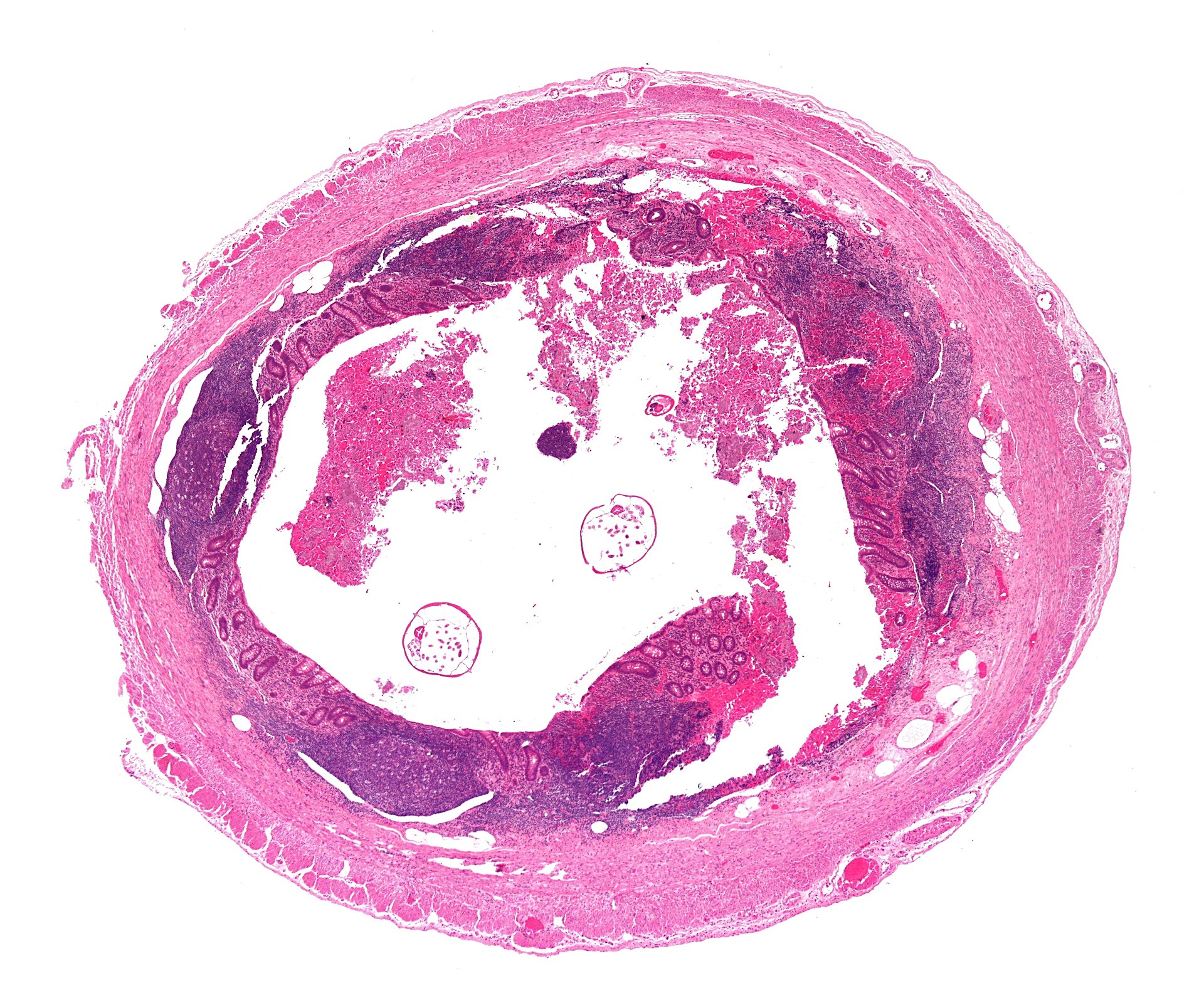
Here’s the twist FYI Tales readers should know: this case isn’t closed. Follow-up research on real patients has been messier than the safe-house story suggests. Some studies looking at whether people without an appendix suffer worse or more frequent Clostridioides difficile (C. diff) infections have found no protective effect at all, while others have reported a higher risk of C. diff after appendectomy. Nobody has run the controlled experiment nature would need to settle it. It’s also worth noting that appendicitis itself is far more common in industrialized, sanitized countries than in places with heavier microbial exposure — which fits an odd possibility: the appendix’s ancient bacterial-backup job may simply have less to do in a world of clean water and antibiotics, leaving it inflamed and idle more often than useful. So the honest version of this tale isn’t “scientists proved the appendix is essential.” It’s that the organ doctors spent a century treating as biological packing material turned out to be far more interesting, and far more argued-over, than anyone expected.
Sources
Duke Health, “Appendix Isn’t Useless at All: It’s a Safe House for Bacteria,” covering the 2007 Journal of Theoretical Biology hypothesis by William Parker, R. Randal Bollinger, and colleagues.
Science (AAAS), “Appendix Evolved More Than 30 Times,” covering the 2013 Comptes Rendus Palevol study led by Heather F. Smith of Midwestern University.
Hektoen International, “The Early Days in the History of Appendectomy,” on Reginald Heber Fitz’s 1886 naming of appendicitis and the rise of appendix surgery.
Explore more: more true tales about the human body.
appendix FAQs
Is the appendix completely useless?
Probably not. Research points to it acting as a protected reservoir for beneficial gut bacteria and as a hub of immune tissue, though scientists haven’t proven this beyond doubt.
Can you live a normal life without an appendix?
Yes. Appendectomy is common and safe, and most people notice no lasting effects — whatever the appendix does, the rest of the body seems to manage fine without it.
Why did Darwin think the appendix was vestigial?
In The Descent of Man (1871), Darwin listed the appendix as a shrunken remnant of a larger structure ancestral plant-eaters used for digestion, based on the limited anatomical evidence available at the time.
How many times has the appendix evolved in mammals?
A 2013 study by Heather Smith and colleagues found it evolved independently at least 32 times, and possibly as many as 38, across different mammal lineages.
Tales You Can Hold
Fun-facts books for curious kids, personalized books that star your child, and more from the FYI Tales Bookstore. Visit the Bookstore.
Photo: Mikael Häggström / CC0, via Wikimedia Commons.