
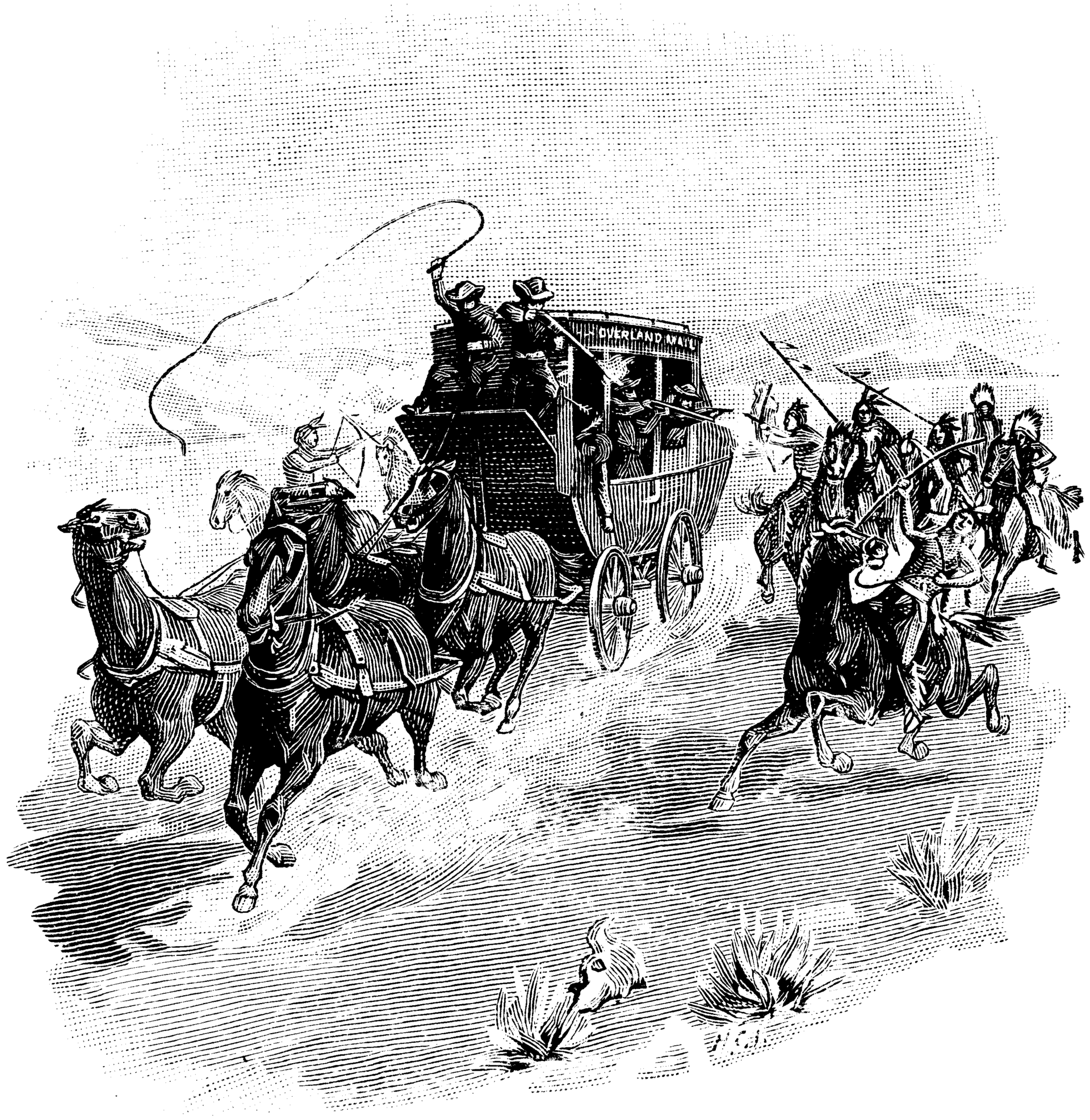
Say “riding shotgun” and everyone pictures the same movie scene: a stagecoach thundering across the desert, the driver hunched over the reins, and beside him a grim-faced guard with a scattergun scanning the ridgeline for outlaws. It’s such a vivid image that surely, the thinking goes, real stagecoach guards used those exact words back in the 1870s.
Table of Contents
They didn’t. The job was real. The guards, the shotguns, even a few of their names, are on the historical record. The phrase “riding shotgun,” though, appears to have been invented decades later by a novelist reaching back for authentic-sounding cowboy talk, and it took Hollywood, pulp fiction, and a generation of teenagers claiming car seats to turn it into the everyday phrase it is now.
Quick answer
“Riding shotgun” means sitting in a vehicle’s front passenger seat. It nods to the real 19th-century job of the armed “shotgun messenger” who guarded stagecoach strongboxes, but researchers who’ve combed period newspapers and novels have found no evidence anyone actually said “riding shotgun” during the stagecoach era itself. The phrase surfaces in print starting in 1905, gets popularized by Western novels and films, and isn’t applied to automobiles in print until 1954.
The guards were real. The phrase, not yet.
Wells Fargo & Co. began running stagecoaches out of the California Gold Rush boom in the 1850s, and as holdups became a routine hazard, the company started paying armed men to ride beside the driver and protect the strongbox. By the 1870s these men had a job title: “shotgun messenger.” They typically carried a short double-barreled 10- or 12-gauge coach gun loaded with buckshot, sat to the driver’s left on the box, and their numbers grew fast, from roughly 35 messengers company-wide in the mid-1870s to around 200 by 1885, according to the Wikipedia-documented history of the role.
The job could turn deadly in an instant. On the night of March 15, 1881, a Kinnear & Co. stagecoach carrying Wells Fargo silver bullion was ambushed near Contention, Arizona. Bob Paul was the line’s regular Wells Fargo shotgun messenger, and Eli “Bud” Philpot was its regular driver, but the two had swapped positions that night, with Paul taking the reins and Philpot riding the messenger’s seat, by most accounts because the driver wasn’t feeling well. When the robbers opened fire on the guard’s seat, expecting to hit the armed messenger, they killed Philpot instead. Paul, holding the reins, fired back with his own shotgun and drove the panicked team to safety. It’s the kind of scene that later fueled a hundred Westerns. But at the time, newspapers and company records called the guard’s job a “messenger” or “shotgun messenger,” not a man “riding shotgun.”
A novelist coined the phrase, then Hollywood ran with it
The earliest print appearance etymologists point to is 1905, in Alfred Henry Lewis’s novel The Sunset Trail, which fictionalizes Wyatt Earp’s years working for an express company: “They went often as guards — ‘riding shotgun,’ it was called — when the stage bore unusual treasure.” Solid, independently verified citations pick up from there: a May 1919 Ogden (Utah) Examiner headline, “Ross Will Again Ride Shotgun on Old Stage Coach,” and a March 1921 Washington Post pulp story, “The Fighting Fool” by Dane Coolidge, both use it as established slang for a magazine-reading public.
From there the phrase became a Western-genre fixture. John Ford’s 1939 film Stagecoach put the line in a character’s mouth for millions of moviegoers, and pulp novels and B-Westerns through the 1930s and ’40s kept repeating it until it sounded like something cowhands must have said around every campfire. Wikipedia’s own entry on shotgun messengers is blunt about the gap: the terms “riding shotgun” and “shotgun rider” were coined by 20th-century novelists and were unknown in the actual Old West.
The part most people miss
The leap from stagecoach slang to car culture didn’t happen right away, and it didn’t happen the way you’d expect. Etymology researchers at The Straight Dope, digging through the Dictionary of Americanisms and the Dictionary of American Regional English, traced the earliest print use of “riding shotgun” for a car ride to 1954, nearly fifty years after Lewis’s novel. The shorthand version, just “shotgun,” as in kids yelling “I call shotgun!” to claim the best seat, is even younger: the earliest documented use traces to teenagers in Jackson, Mississippi, in the mid-to-late 1950s, and by 1967 DARE researchers found it common slang across the western United States. In other words, the phrase most of us learned as playground law wasn’t fully in place until the era of tailfins and drive-in movies, which is to say, closer to us in time than to the stagecoach it’s supposedly named for.
Sources
Wikipedia’s entries on “Shotgun messenger,” “Riding shotgun,” and “Robert H. Paul,” which document the Wells Fargo guard role, the March 15, 1881 robbery near Contention, Arizona, the seat swap between Bob Paul and Eli “Bud” Philpot, and the explicit note that the phrase was a 20th-century novelists’ invention.
The Straight Dope’s etymology investigation, “What’s the origin of ‘riding shotgun’?,” which traces the phrase through the 1919 Ogden Examiner, 1921 Washington Post pulp fiction, and 1954 automobile citations using the Dictionary of Americanisms and Dictionary of American Regional English.
Alfred Henry Lewis’s 1905 novel The Sunset Trail, cited across multiple etymology sources as the earliest known print appearance of the exact phrase “riding shotgun.”
Explore more: More word and phrase origin stories.
riding shotgun FAQs
Did real Old West stagecoach guards say “riding shotgun”?
No clear evidence of it. The guards were real and were called “shotgun messengers,” but the phrase “riding shotgun” doesn’t turn up in print until 1905, after the stagecoach era had largely ended.
Where does “riding shotgun” first appear in writing?
The earliest known appearance is Alfred Henry Lewis’s 1905 novel The Sunset Trail, followed by confirmed newspaper and pulp-fiction citations in 1919 and 1921.
When did people start saying “riding shotgun” about cars?
The earliest documented car usage dates to 1954, with the shortened “shotgun”/”call shotgun” spreading among teenagers in the late 1950s and becoming widespread U.S. slang by 1967.
What did a real shotgun messenger actually do?
They rode beside the stagecoach driver, primarily to protect the express company’s strongbox of cash or valuables rather than the passengers, carrying a short double-barreled 10- or 12-gauge shotgun.
Tales You Can Hold
Fun-facts books for curious kids, personalized books that star your child, and more from the FYI Tales Bookstore. Visit the Bookstore.
Photo: Unknown / Public domain, via Wikimedia Commons.