
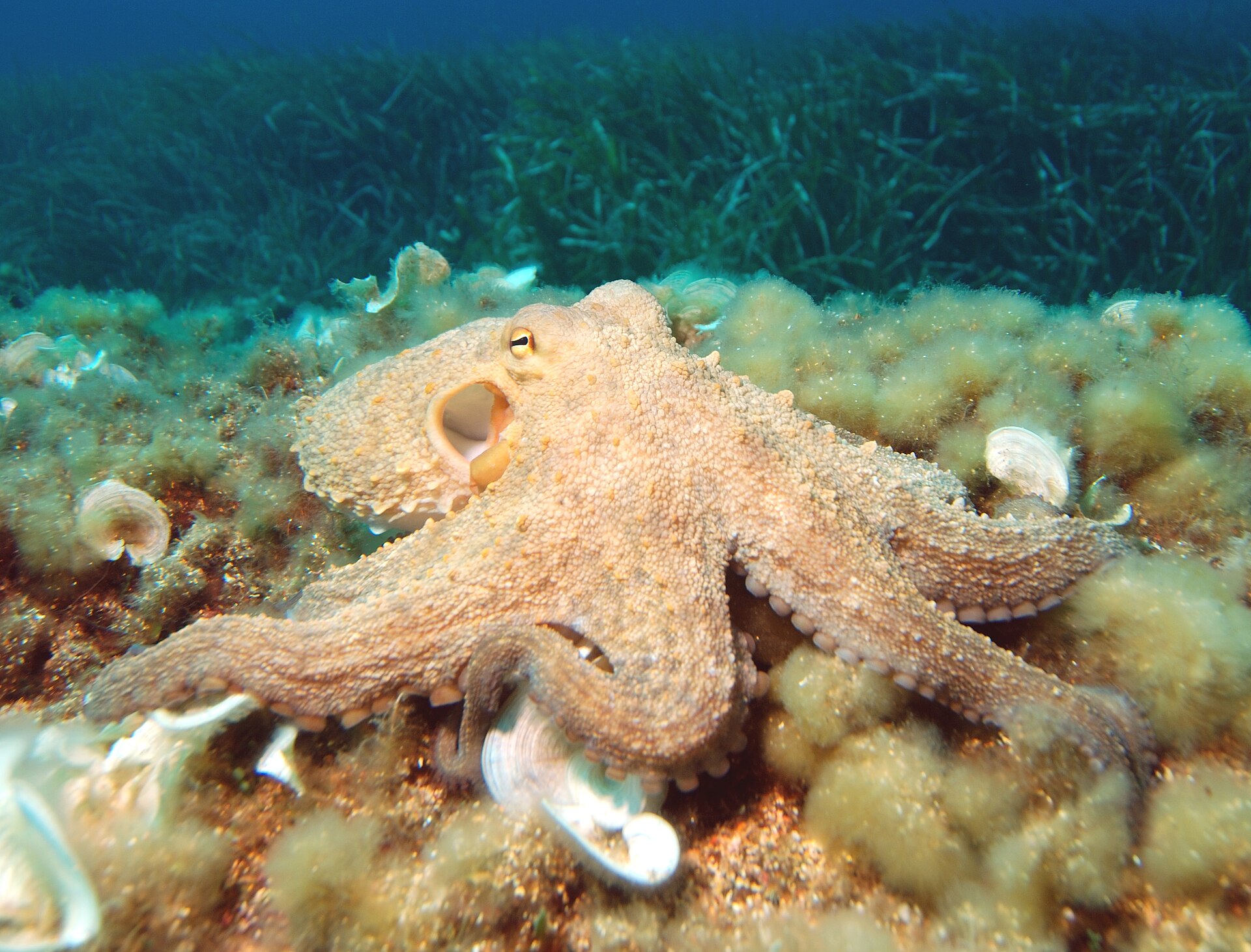
Watch an octopus jet away from a predator and you’re watching something that sounds like a medical emergency: the heart responsible for pumping blood to its own body stalls out mid-swim. Not slows down — stops. And yet the animal survives this, over and over, because it evolved to.
Table of Contents
The full story of why octopuses run on three hearts and blue blood starts not in a marine lab but in a 19th-century Belgian physiology department, where a young researcher noticed that octopus blood was doing something blood wasn’t supposed to do.
Quick answer
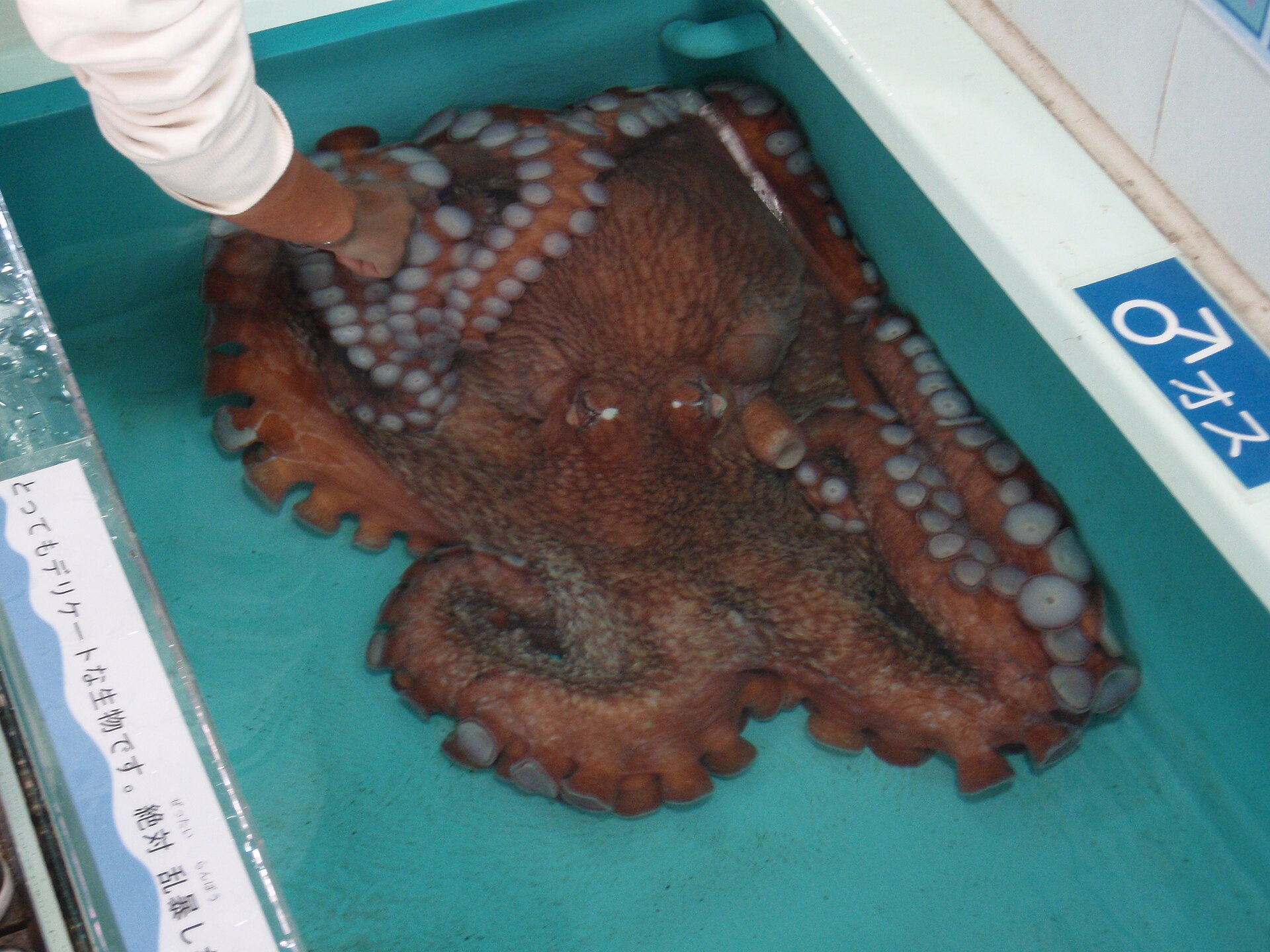
Octopuses have three hearts: two “branchial” hearts push blood through the two gills to pick up oxygen, and one “systemic” heart pumps that oxygenated blood out to the rest of the body. Their blood runs blue instead of red because it uses a copper-based protein called hemocyanin instead of the iron-based hemoglobin found in humans.
A Belgian physiologist and a very strange blood sample
In 1878, Léon Fredericq — a 27-year-old physiologist trained in Ghent and about to take over Theodor Schwann’s old chair at the University of Liège — was studying blood chemistry across different animals. When he examined octopus blood, he found it turned blue when exposed to oxygen, the opposite of what iron-rich vertebrate blood does. He traced the color to a protein he named hemocyanin and published his findings in the French Academy of Sciences’ proceedings under the title ‘Sur l’hémocyanine, substance nouvelle du sang de poulpe’ — ‘On hemocyanin, a new substance in octopus blood.’
It was a genuinely new discovery: instead of iron carrying oxygen through a red pigment, cephalopods and many other invertebrates use copper, dissolved directly in the blood plasma rather than packed into red blood cells. Fredericq had found the reason octopus blood looks like something out of science fiction, decades before anyone understood why the copper mattered so much for how these animals actually live.
The heart that quits when you need it most
Here’s the twist with copper: hemocyanin actually holds up well in the cold, low-oxygen water that many octopus species call home — in those conditions it transports oxygen effectively, in some ways better suited to the job than hemoglobin, which tends to thicken and lose efficiency in near-freezing water. What hemocyanin doesn’t have is hemoglobin’s raw carrying capacity: it dissolves loosely in the blood plasma rather than getting packed into oxygen-dense red blood cells, so each pint of octopus blood simply carries less oxygen per trip.
To move enough oxygen despite that lower capacity, octopuses evolved extra pumping power — three hearts instead of one, with the two branchial hearts dedicated purely to forcing blood through the gills before the systemic heart sends it onward. That extra plumbing comes with a tradeoff. When an octopus swims by jet propulsion — forcing water out through its siphon to rocket backward — the systemic heart stops beating for the duration of the swim. Researchers believe the high internal pressure of jetting and the physical strain of the maneuver interrupt it. This is a big part of why octopuses are homebodies: crawling along the seafloor is comparatively cheap, while swimming is a genuine cardiovascular ordeal they can only sustain in short bursts.
The part most people miss
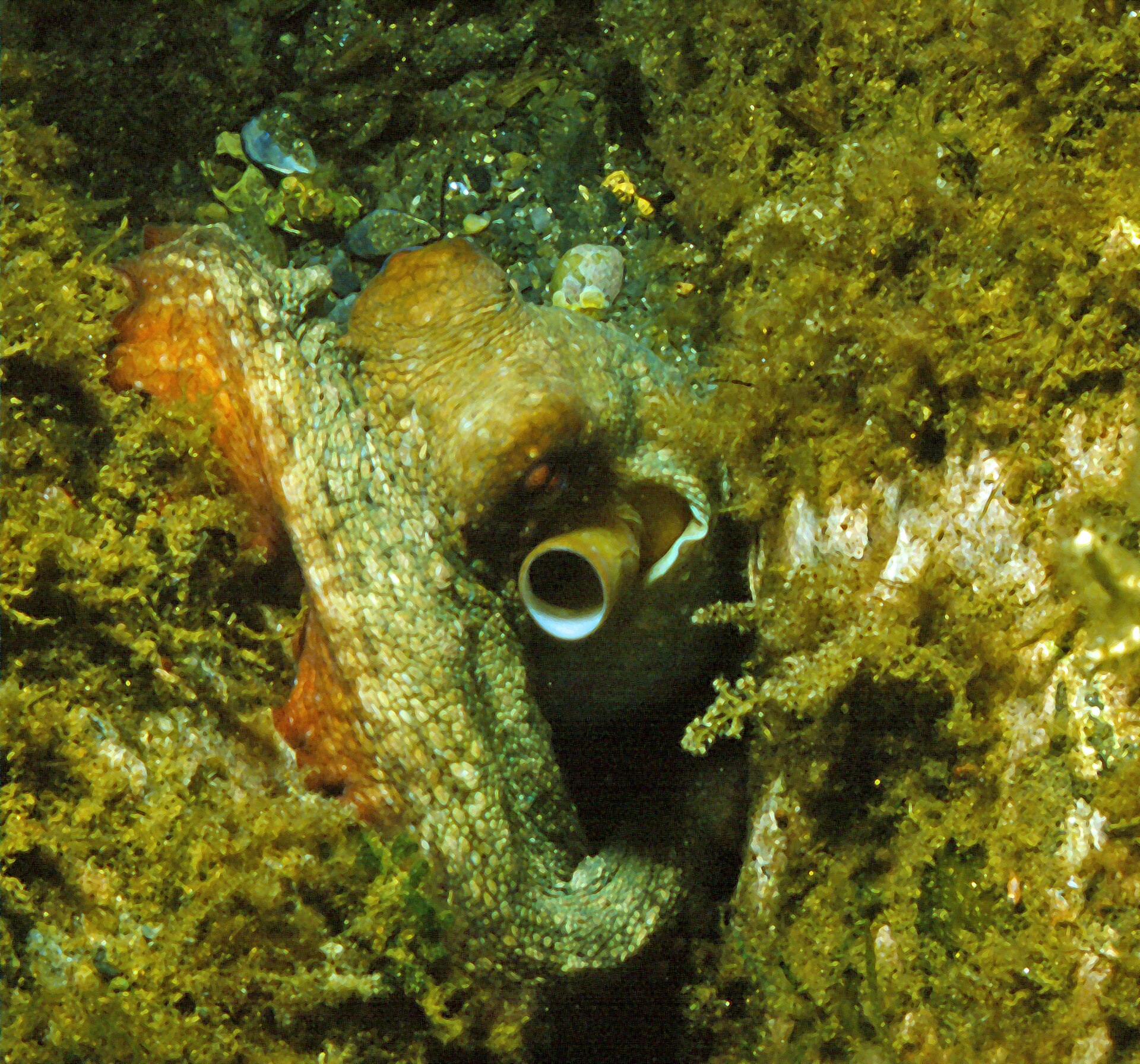
The same copper-based chemistry that let octopuses colonize cold, oxygen-poor ocean floors for millions of years is now becoming a liability. Hemocyanin’s oxygen-carrying ability is unusually sensitive to blood pH, and as ocean water absorbs more carbon dioxide and grows more acidic, that sensitivity turns into a real problem: acidification can strip oxygen off hemocyanin before it reaches the tissues, effectively suffocating the animal even in water that still has plenty of oxygen dissolved in it. Studies on species like Octopus rubescens have already found reduced tolerance for low-oxygen conditions after weeks of exposure to elevated CO2, though deeper-water and polar species tested so far seem more resilient, in part because they carry extra-high concentrations of hemocyanin to compensate. The very adaptation that made octopuses masters of the cold, low-oxygen ocean floor may be what makes them vulnerable to the ocean chemistry we’re changing now.
Sources
Smithsonian Magazine, ‘Ten Wild Facts About Octopuses: They Have Three Hearts, Big Brains and Blue Blood,’ by Rachel Nuwer, updated by Sonja Anderson.
Wikipedia entry on Léon Fredericq, documenting his 1878 discovery of hemocyanin and publication in the Comptes Rendus Hebdomadaires des Séances de l’Académie des Sciences.
World Ocean Review, ‘The blue blood of the Antarctic octopus,’ on hemocyanin’s performance relative to hemoglobin in cold, oxygen-poor water.
PMC (National Institutes of Health), ‘Positive selection in octopus haemocyanin indicates functional links to temperature adaptation,’ on hemocyanin’s oxygen-binding behavior and environmental sensitivity.
Explore more: More true tales from the animal kingdom.
octopuses FAQs
How many hearts does an octopus actually have?
Three. Two branchial hearts pump blood through the gills to pick up oxygen, and one systemic heart pumps that oxygenated blood to the rest of the body.
Why is octopus blood blue instead of red?
It uses hemocyanin, a copper-based protein that turns blue when carrying oxygen, instead of the iron-based hemoglobin that makes human blood red.
Is it true an octopus’s heart stops when it swims?
Yes — the systemic heart stops beating during jet-propulsion swimming, which is a big reason octopuses prefer crawling over long-distance swimming.
Who discovered that octopus blood is copper-based?
Belgian physiologist Léon Fredericq identified and named hemocyanin in 1878, publishing his findings with the French Academy of Sciences.
Tales You Can Hold
Fun-facts books for curious kids, personalized books that star your child, and more from the FYI Tales Bookstore. Visit the Bookstore.
Photo: albert kok / CC BY-SA 3.0, via Wikimedia Commons.