
In the autumn of 1941, a Swiss electrical engineer named George de Mestral came home from a walk in the Alps looking like he’d lost a fight with a hedge. His wool trousers were studded with burdock burrs, and so was the coat of the dog trotting beside him. Most people would have picked the burrs off, grumbled, and forgotten about it by dinner.
Table of Contents
De Mestral didn’t forget about it. He took a burr inside, put it under a microscope, and started down a road that took roughly a decade, a skeptical fashion industry, and eventually the Apollo space program to turn into the fastener the world now just calls Velcro.
Quick answer
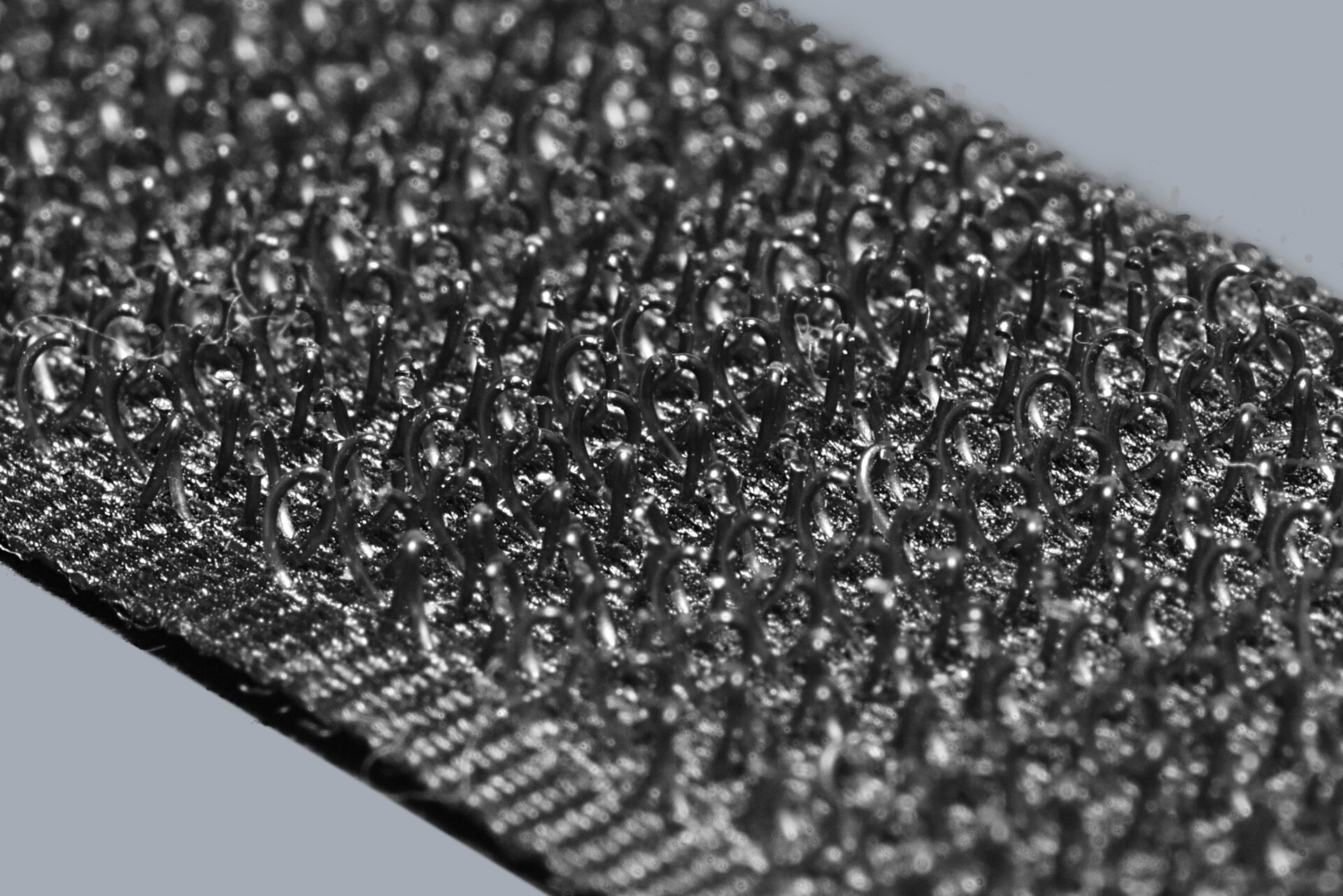
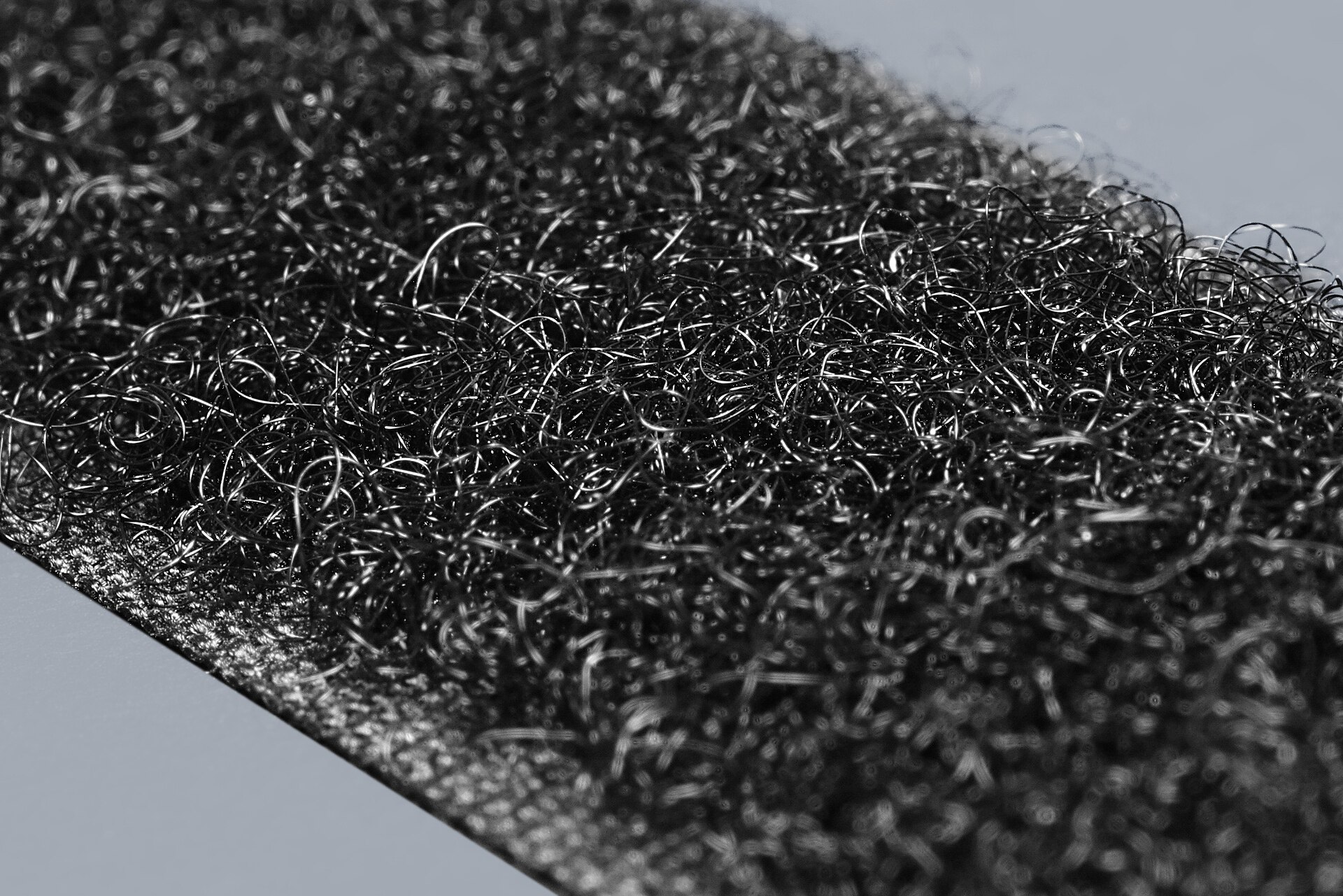
Velcro exists because George de Mestral, a Swiss engineer, got curious about burdock burrs stuck to his trousers and his dog’s fur after a walk in the Alps in 1941. Under a microscope, he found the burrs were covered in tiny hooks that latch onto anything looped, like fabric or fur. It took him roughly a decade of work with textile manufacturers to turn that observation into a synthetic hook-and-loop fastener, patented in the United States in 1955 as U.S. Patent 2,717,437, ‘Velvet Type Fabric and Method of Producing Same.’
A burr, a dog, and a bad mood
De Mestral was in his mid-thirties, a trained electrical engineer with a lifelong habit of tinkering – he’d filed his first patent, for a toy airplane, at age 12. On this walk near his home outside Lausanne, he and his dog came back covered in burdock seed pods, the kind that grab onto anything fibrous and refuse to let go. Instead of just complaining about the mess, he pulled a burr apart at his workbench and slid it under a microscope.
What he saw were hundreds of tiny hooked spines, each one built to snag the loops of fur or fabric it touched. It was, he realized, a near-perfect natural fastener – reversible, durable, and stronger than anything sewn or buttoned. The idea was the easy part. Building it was not.
From burr to buckle: the hard part
De Mestral’s eureka moment happened in 1941, but he didn’t seriously start engineering a product until around 1948, and he didn’t file a Swiss patent until 1951. Turning a burr into a manufacturable fastener meant mass-producing two matching textiles – one covered in tiny hooks, one covered in loops – that could grip and release thousands of times without wearing out.
He partnered with a weaver in Lyon, France, and settled on nylon, woven and then heat-treated to form stiff little hooks. His Swiss patent came through in the mid-1950s, and the U.S. patent, number 2,717,437, was granted on September 13, 1955. De Mestral named the finished product Velcro, a mashup of the French words velours (velvet) and crochet (hook).
It flopped almost immediately. Clothing designers in the 1950s and ’60s wanted nothing to do with a fastener that looked cheap and sounded like tearing paper. For years, Velcro survived on odd niche jobs, not runway shows.
The part most people miss
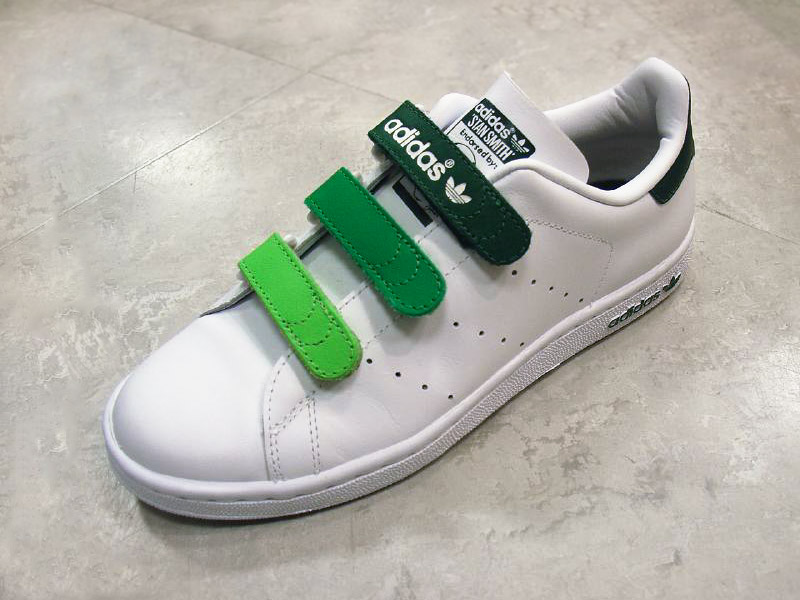
The dinner-table version of this story skips the fourteen-year gap between ‘huh, that’s interesting’ and an actual product on shelves – and it skips who actually made Velcro famous. It wasn’t fashion. It was NASA. Engineers building Apollo-era spacesuits and capsules needed a way to keep tools, checklists, and loose equipment from drifting off in zero gravity, and Velcro’s hook-and-loop grip fit the job perfectly; by some estimates, roughly 3,300 square inches of it lined the interior and exterior of the Apollo 11 command and lunar modules. Once Velcro had NASA’s stamp of approval, skiwear and scuba gear makers followed, and only then did it creep into everyday closets. De Mestral’s dog gets credit for the idea. The space race gets the credit for making anyone care.
Sources
Wikipedia’s entry on George de Mestral, covering his life, the 1941 walk, and the patent timeline. The National Inventors Hall of Fame (invent.org), which documents the burr-under-a-microscope moment and the years between inspiration and patent. SWI swissinfo.ch, the Swiss public broadcaster’s international service, on how NASA’s adoption of Velcro during the space race turned a failed fashion product into a household name.
Explore more: More accidental inventions.
velcro FAQs
Who invented Velcro?
George de Mestral, a Swiss electrical engineer, invented Velcro after noticing burdock burrs clinging to his clothes and his dog’s fur on a walk in the Alps in 1941. He patented the hook-and-loop fastener in the United States in 1955.
Why is it called Velcro?
De Mestral combined the French words velours (velvet) and crochet (hook) to name his invention Velcro.
Did NASA invent Velcro?
No. NASA didn’t invent Velcro, but it helped popularize it – engineers used it in Apollo-era spacesuits and spacecraft to keep tools and gear from floating away in zero gravity, giving the product credibility it hadn’t found in the fashion world.
Tales You Can Hold
Fun-facts books for curious kids, personalized books that star your child, and more from the FYI Tales Bookstore. Visit the Bookstore.
Photo: Alexander Klink / CC BY 3.0, via Wikimedia Commons.