
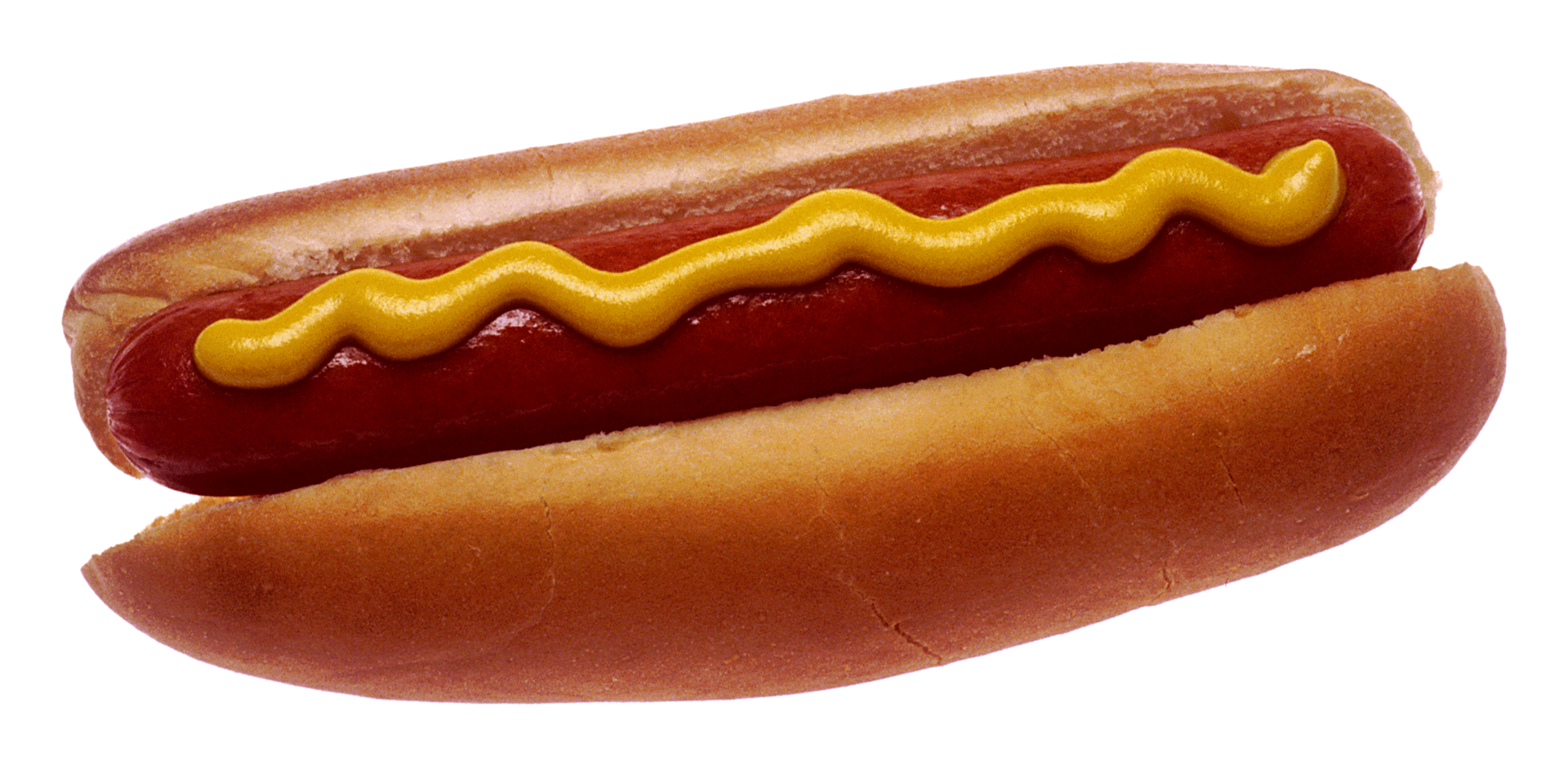
Every cookout ends the same way: somebody’s holding two naked hot dogs and staring at an empty bun bag, doing math nobody wants to do at a barbecue. Ten dogs, eight buns. It has been this way for so long that most people assume there’s a reason — a rule, a regulation, a marketing plan cooked up by some grocery executive who wanted you to buy two packages instead of one.
Table of Contents
There isn’t. The real answer is almost funnier: two completely different industries, working from two completely different rulebooks, never once talked to each other.
Quick answer
Hot dogs are sold by weight, not by convenient bun math — a standard hot dog runs about 1.6 ounces, and ten of them come out to roughly a pound, which became the industry norm. Hot dog buns are sold by bakery logistics: they’re baked in trays of four on conveyor lines, and two trays per package became the standard, landing at eight. The two industries set their standards independently, decades before anyone coordinated grocery-store hot dog and bun sales as a pair.
A butcher’s math problem
The hot dog side of the story traces back to how meat has always been sold in America: by the pound. Food historian Bruce Kraig, who has written extensively on hot dog history, has explained that supermarket hot dogs are conventionally sized “ten to the pound” — meaning a standard dog weighs about 1.6 ounces, and ten of them add up to a clean, scalable pound for pricing and shipping.
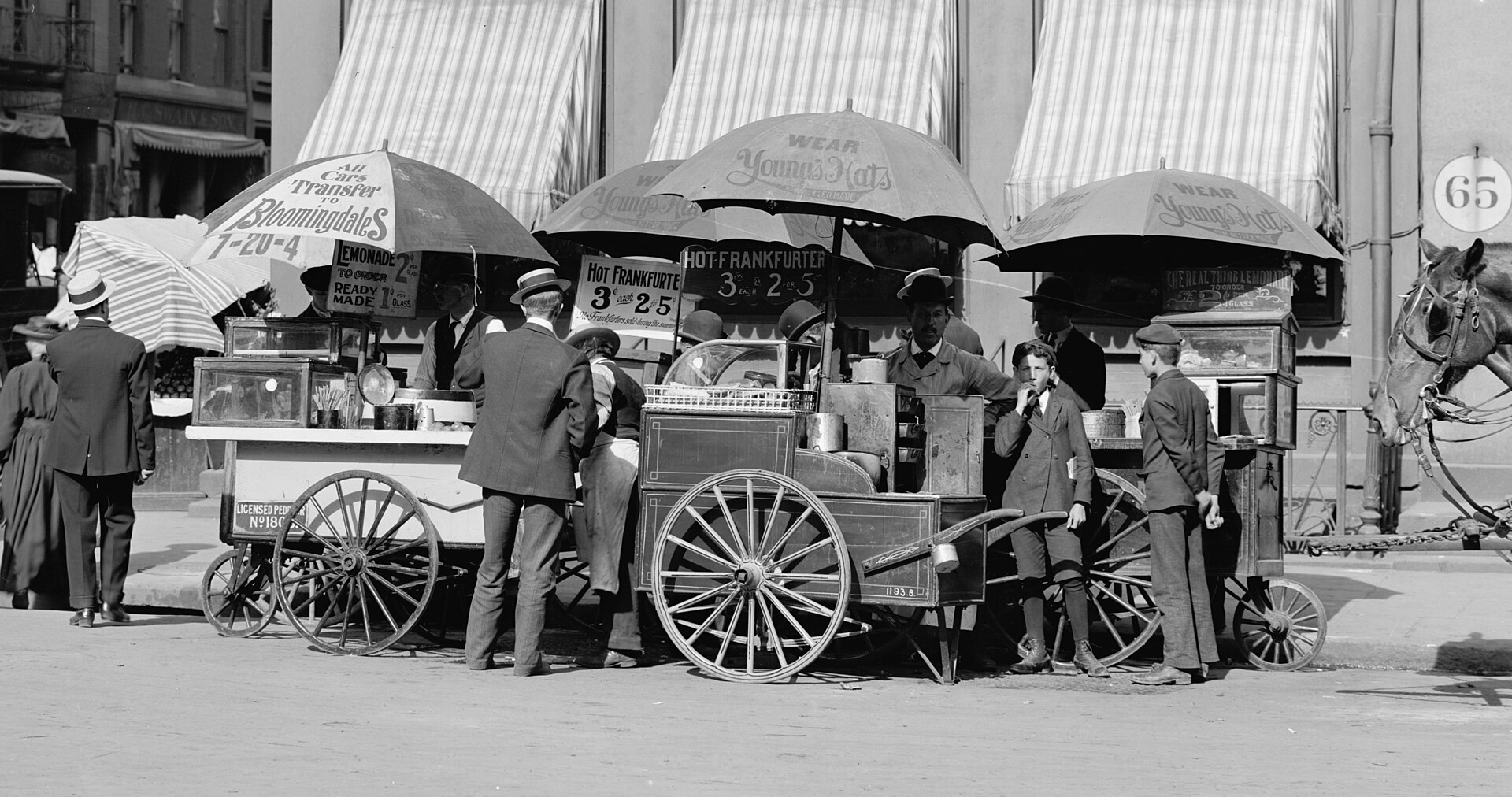
That convention hardened into an industry norm in the mid-20th century as companies like Oscar Mayer — founded by Chicago butcher Oscar Mayer, a German immigrant who opened his meat market in 1883 — helped push hot dogs from butcher-counter items into mass-produced, prepackaged supermarket products. Once meatpackers were mass-producing and shipping by the pound, ten became the number that made the arithmetic simple at every stage: production, pricing, and the shelf.
A baker’s assembly line
Buns never had a pound problem, because bread isn’t sold by weight the way meat is — it’s sold by the loaf, the roll, the tray. Bakeries build hot dog buns on conveyor systems that bake and cut them in trays of four, which Kraig has pointed out is simply the tray size that works best mechanically on a bakery line. Package two trays together and you get eight buns — not because eight matched anything on the meat side, but because four-plus-four was the efficient unit for a bakery’s equipment.
In other words, whoever set the butcher’s standard and whoever set the baker’s standard were solving entirely separate problems — one about pounds of meat, one about trays of dough — decades apart, in different industries, with zero reason to check what the other was doing.
The part most people miss
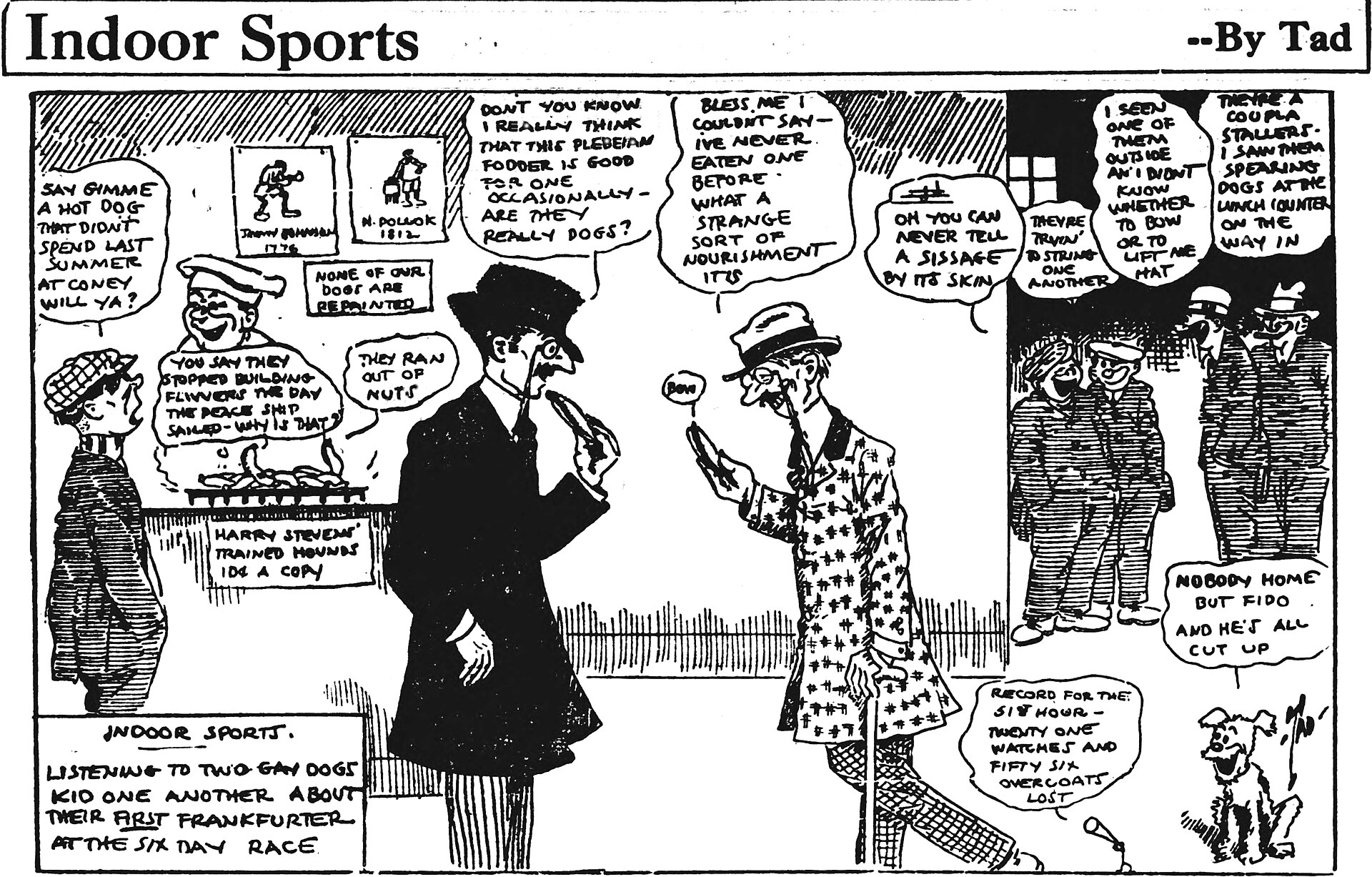
The mismatch isn’t a myth or an urban legend dressed up as history — it’s a real, well-documented artifact of two industries developing packaging conventions in isolation, and it went unaddressed for the better part of a century simply because hot dogs and buns were, for most of that history, made and sold by unrelated companies with no incentive to reconcile their numbers. What’s less well known is that someone actually tried to fix it. In 2021, Heinz Ketchup launched something it called the “Heinz Hot Dog Pact,” publicly petitioning Canada’s bun and hot dog makers to standardize their packaging — and it worked, at least partially. The petition drew tens of thousands of signatures, and in June 2022, Wonder Bread partnered with Heinz to release limited-edition 10-packs of hot dog buns in Ontario grocery chains, finally letting shoppers buy a matching set. It was a one-region, limited-run fix rather than an industry-wide overhaul, so the 10-and-8 mismatch is still the default nearly everywhere else — proof that solving a hundred-year-old packaging accident takes more than good intentions, even when a ketchup company is willing to lead the charge.
Sources
KERA News, “Why Hot Dogs Are Sold In Packs Of 10, But Buns Are Sold In Packs Of 8: A History Lesson” (2017), citing food historian Bruce Kraig.
Canadian Grocer and Commercial Baking, coverage of the Heinz Hot Dog Pact and Wonder Bread’s 2022 launch of 10-pack hot dog buns in Ontario.
Newswire.ca, official release on the Heinz & Wonder broker deal bringing equal packs of buns and wieners to market.
Explore more: more food origin stories.
hot dogs and buns FAQs
Why do hot dogs come in packs of 10?
Because hot dogs are sold by weight — a standard hot dog weighs about 1.6 ounces, so ten of them add up to roughly a pound, which became the standard unit for pricing and packaging meat.
Why do hot dog buns come in packs of 8?
Bakeries bake hot dog buns in trays of four on conveyor lines, and two trays per package became the standard package size, landing at eight buns rather than ten.
Has anyone tried to fix the hot dog and bun mismatch?
Yes. Heinz launched the ‘Heinz Hot Dog Pact’ campaign in 2021, and in 2022 partnered with Wonder Bread to sell limited-edition 10-packs of buns in parts of Canada, though it hasn’t become the industry standard everywhere.
Tales You Can Hold
Fun-facts books for curious kids, personalized books that star your child, and more from the FYI Tales Bookstore. Visit the Bookstore.
Photo: Czar, original photographed by Renee Comet / Public domain, via Wikimedia Commons.