
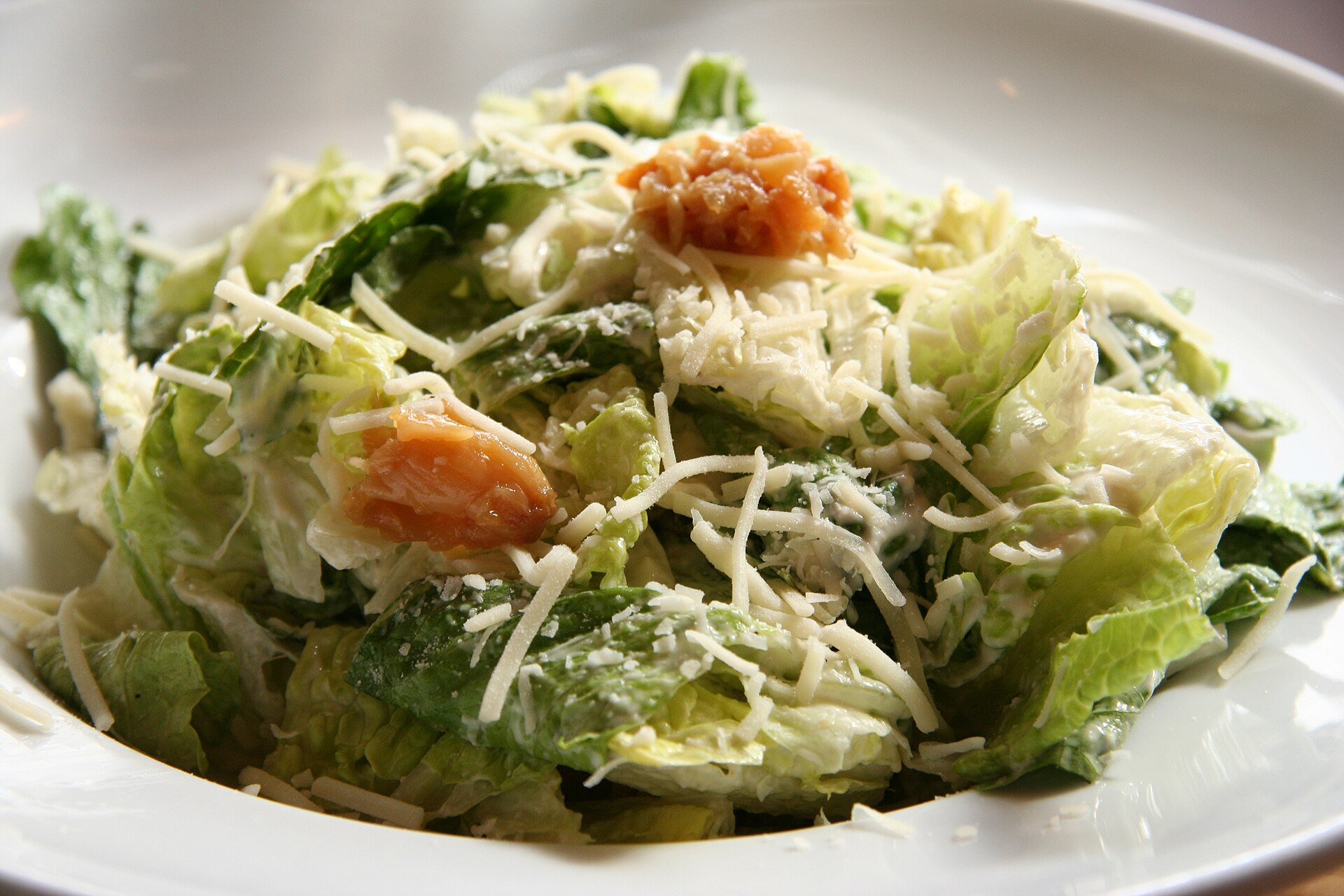
Order a Caesar salad anywhere in the world and you’re eating a dish that has never once touched Rome, ancient or otherwise. It wasn’t dreamed up by a chef trying to honor an emperor. It was invented on the Fourth of July — just not in the United States. It was born a few miles south of the border, in a restaurant kitchen in Tijuana, Mexico, by an Italian immigrant who suddenly ran out of food.
Table of Contents
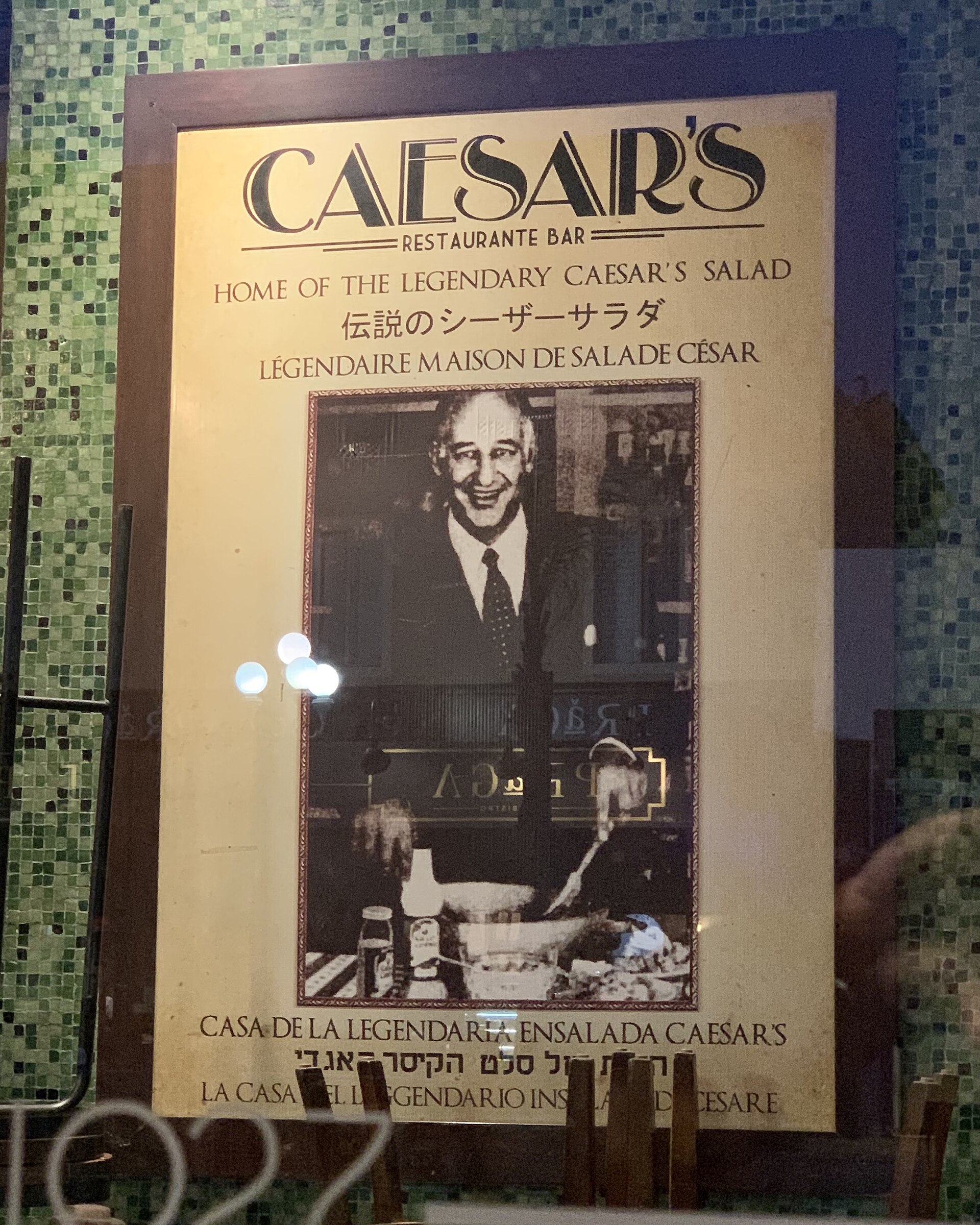
The man’s name really was Caesar. Caesar Cardini, to be exact. But more than a century later, historians in Tijuana are still trying to pin down exactly what happened in his kitchen that night — and how many people actually deserve credit for the salad that carries his name.
Quick answer
The Caesar salad was invented by Italian immigrant restaurateur Caesar Cardini at his restaurant in Tijuana, Mexico, most commonly dated to July 4, 1924, when a rush of American visitors during Prohibition left his kitchen running low on food.
A Fourth of July rush at Caesar’s Place
Cardini was born in Baveno, Italy, in 1896 and arrived in the United States as a young man in 1913. After building restaurants in Sacramento and San Diego, he moved his business across the border to Tijuana — a smart bet during Prohibition, when Americans could drive a few miles south and legally drink, gamble, and eat, no questions asked. His restaurant, sometimes called Caesar’s Place, became a magnet for that traffic.
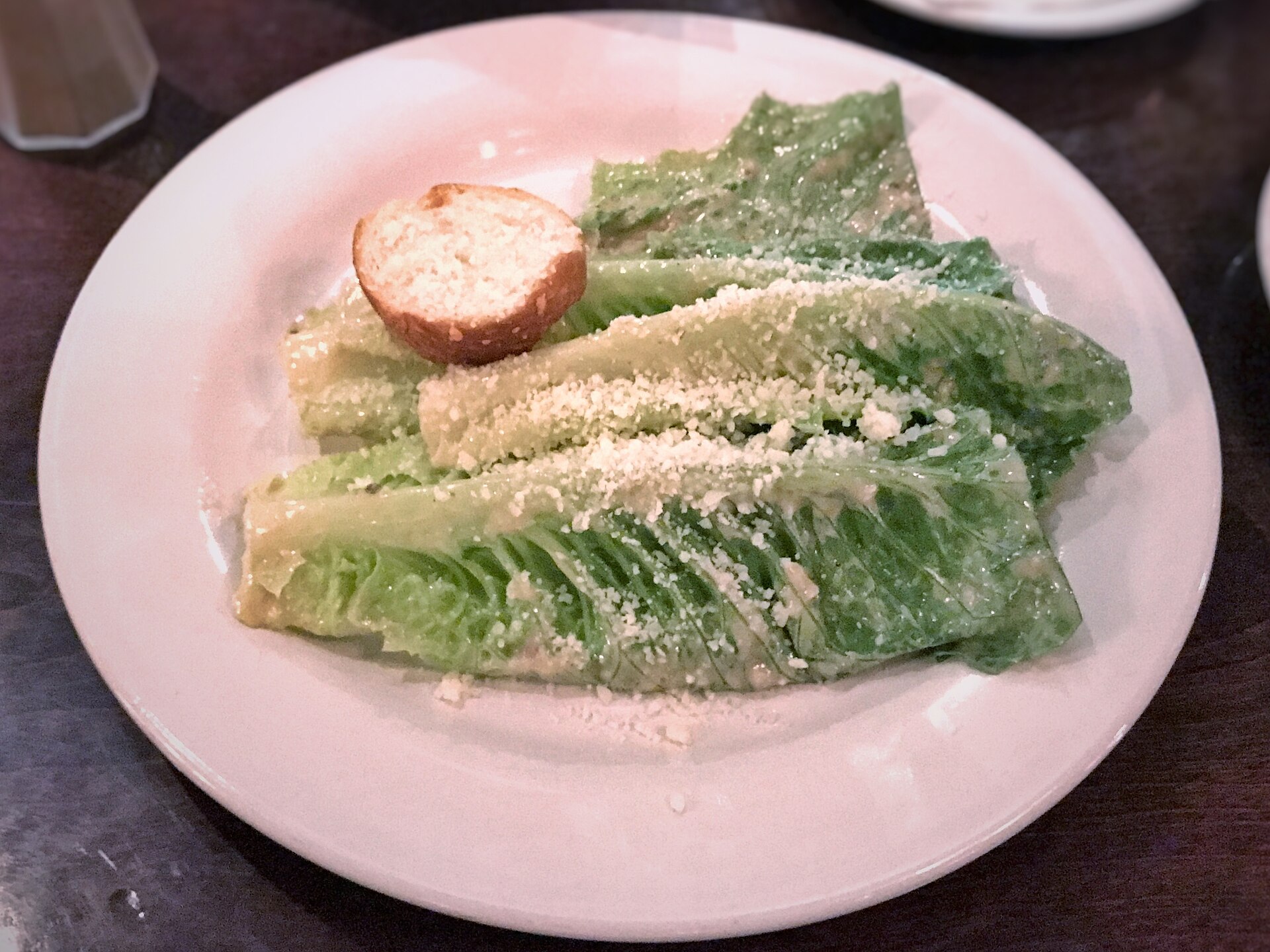
According to the most repeated version of the story — backed by his daughter Rosa Cardini’s own account — the Fourth of July, 1924, brought in more diners than his kitchen could handle. Rather than turn people away, Cardini reportedly rolled a cart tableside and built a salad from whatever was left: whole romaine leaves, olive oil, garlic, coddled egg, lemon juice, Worcestershire sauce, Parmesan, and croutons, tossed with theatrical flair in front of the guests. It wasn’t an accident so much as a save — dinner theater built out of a kitchen shortage.
From a border-town novelty to a Hollywood staple
One of the few firsthand witnesses to the original version left a written account decades later: Julia Child. As a girl of about twelve or thirteen, visiting Tijuana with her parents in the mid-1920s, she was taken to Cardini’s restaurant and later wrote in From Julia Child’s Kitchen (1975), ‘I am probably one of the few people around who saw the real Caesar Cardini making his salad.’ In that first version, whole leaves were meant to be picked up and eaten by hand — diners kept complaining about dressing-covered fingers, so Cardini eventually switched to chopped romaine eaten with a fork.
The salad stayed a regional curiosity for over a decade before it crossed into American pop culture. In 1937, Manny Wolf, head of Paramount Pictures’ writers’ department, reportedly carried the recipe back to Hollywood, where it spread through the restaurant scene favored by movie stars. Cardini formally trademarked his dressing in 1948; the Cardini’s brand he founded is still sold in grocery stores today, now owned by the T. Marzetti Company.
The part most people miss
Even inside Cardini’s own kitchen, the credit was never settled. His brother, Alex Cardini, a former Italian Air Force pilot, claimed he was the one who added anchovies and reworked the tossing method, originally calling his version the ‘Aviator’s Salad.’ A cook named Livio Santini said, through his son, that he supplied the recipe from his mother back in Italy. Several other staff members made similar claims over the years. In 2024, for the salad’s 100th anniversary, Tijuana historian Fernando Escobedo de la Torre and businessman Armando Avakian Gámez wrapped up eight years of archival research and testimony and sided with the traditional story — Caesar himself, July 4, 1924 — but the competing claims have never fully gone away, partly because so little of Cardini’s own paperwork survived. The bigger, quieter story historians point to is what the dish represents: a Prohibition-era tourism economy built by immigrant entrepreneurs on the Mexican side of the border, serving an appetite the United States had legally shut off at home.
Sources
Wikipedia’s entries on ‘Caesar salad’ and ‘Caesar Cardini’ provided the core biographical timeline, trademark history, and the competing-inventor claims (Alex Cardini, Livio Santini).
The Takeout’s reporting on Julia Child’s 1975 memoir From Julia Child’s Kitchen, along with other accounts of her recollections, supplied her firsthand description of watching Cardini make the original tableside salad as a girl of about twelve or thirteen in the mid-1920s.
HistoricalMX’s essay ‘The Myth of the Caesar Salad: A Case Study in Mexican Tourism’ informed the analysis of the origin dispute and its connection to Prohibition-era border tourism.
CBS 8 San Diego’s coverage of the salad’s 2024 centennial detailed the research by Tijuana historian Fernando Escobedo de la Torre and Armando Avakian Gámez.
Explore more: more true food origin stories.
Caesar salad FAQs
Was the Caesar salad named after Julius Caesar?
No. It’s named after its creator, Italian immigrant restaurateur Caesar Cardini — the Roman emperor has nothing to do with it.
Who really invented the Caesar salad?
Most evidence points to restaurateur Caesar Cardini at his restaurant in Tijuana, Mexico, in 1924, though his brother Alex Cardini and cook Livio Santini have their own documented claims to the recipe.
Did Julia Child really eat the original Caesar salad?
Yes. As a girl of about twelve or thirteen visiting Tijuana with her parents in the mid-1920s, she recalled being served it by Cardini himself, and wrote about it in her 1975 book, From Julia Child’s Kitchen.
Tales You Can Hold
Fun-facts books for curious kids, personalized books that star your child, and more from the FYI Tales Bookstore. Visit the Bookstore.
Photo: Geoff Peters from Vancouver, BC, Canada / CC BY 2.0, via Wikimedia Commons.