
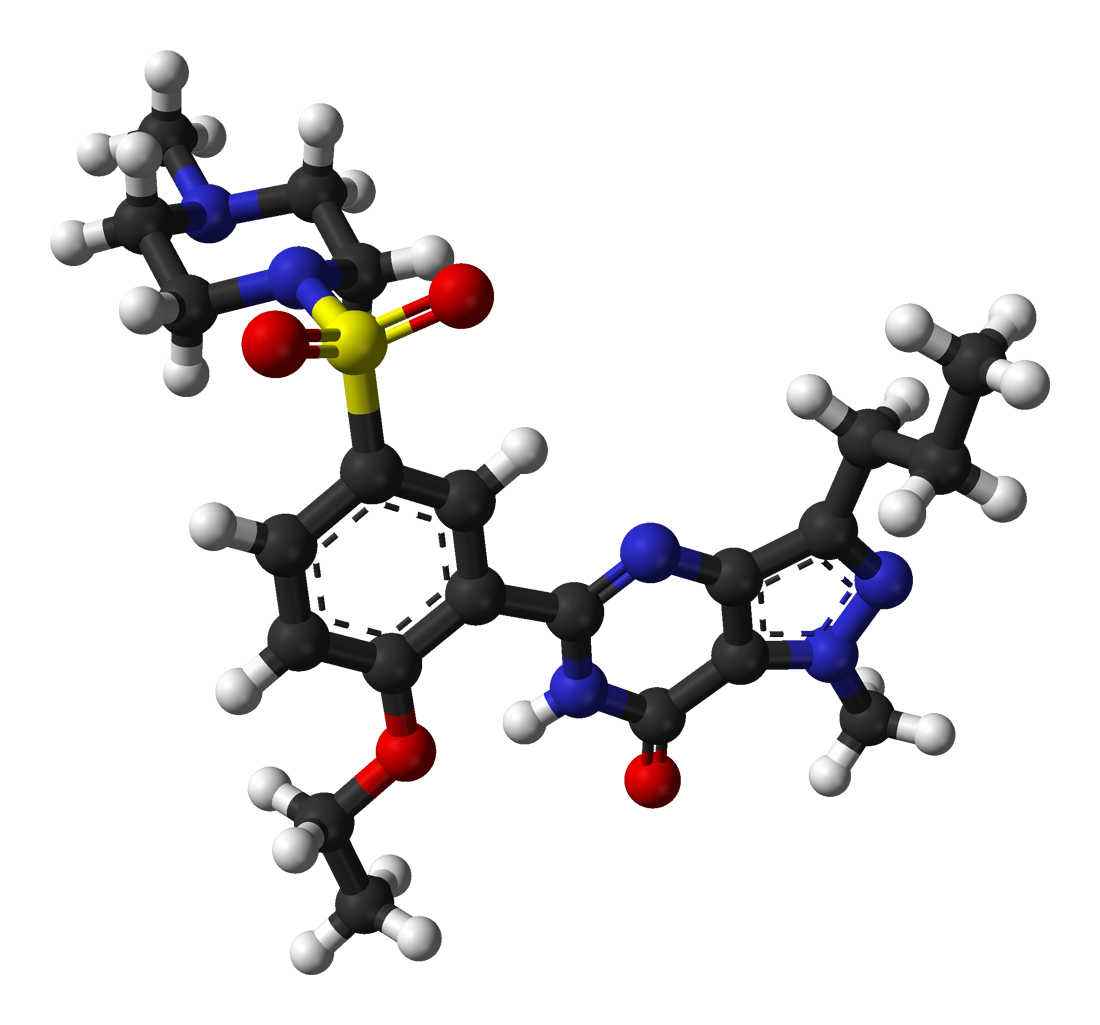
In 1992, a group of volunteers in the Welsh town of Merthyr Tydfil swallowed an experimental pill for Pfizer researchers who were chasing a treatment for angina, the chest pain caused by a starved heart. The drug was supposed to relax blood vessels and let more blood reach the heart muscle. On that count, it barely worked. As a heart medicine, it was a disappointment.
Table of Contents
But something else kept happening in that trial, something nobody had put on the clipboard. The compound, known only by the lab code UK-92,480, was relaxing blood vessels somewhere else in the body too — with results the volunteers noticed immediately, even if the doctors took a little longer to catch on. Pfizer had accidentally built the wrong drug for the right job, and it would go on to become one of the most famous pharmaceuticals on Earth: Viagra.
Quick answer
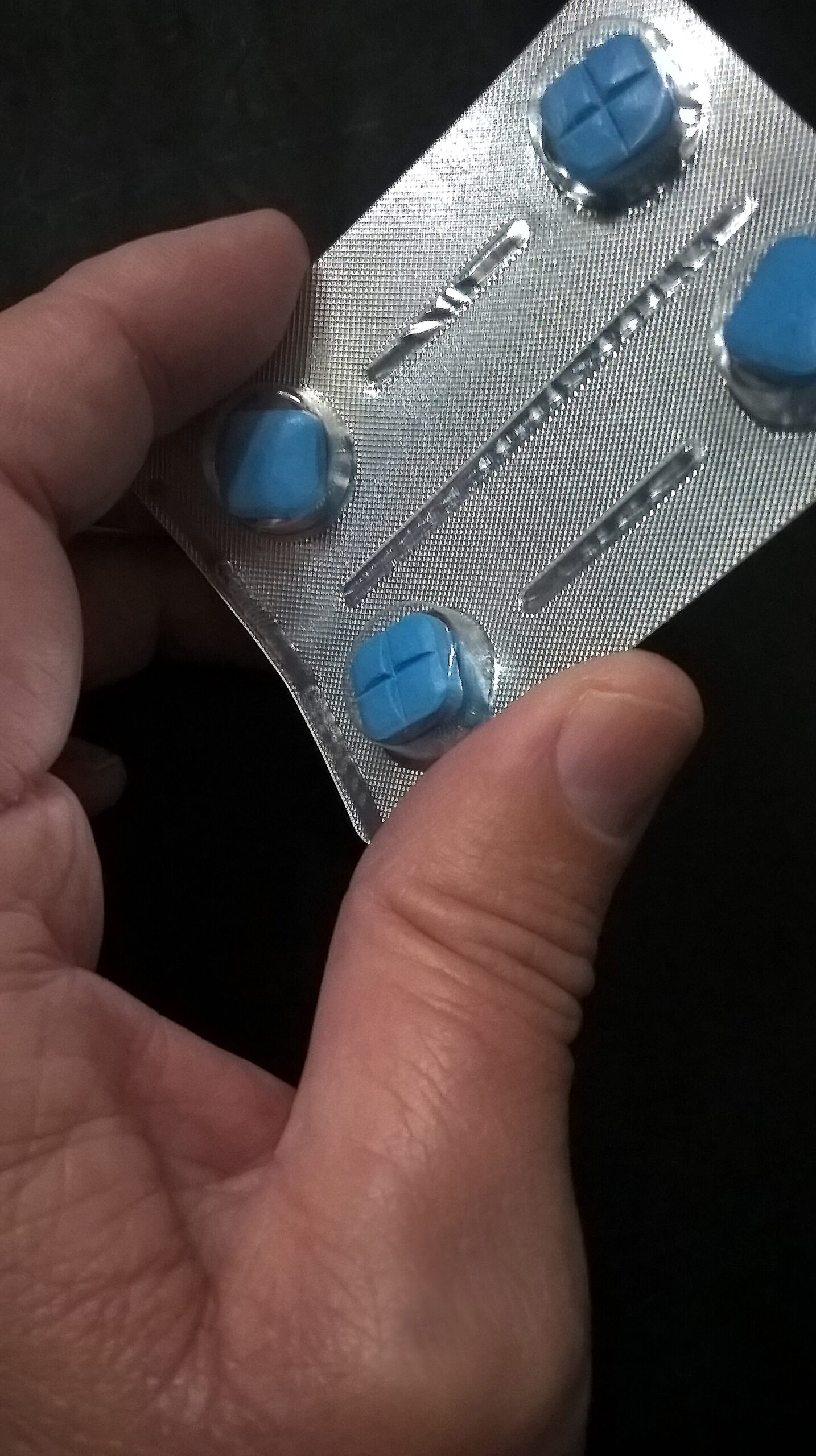
Sildenafil (later branded Viagra) was developed by Pfizer chemists in the late 1980s as a treatment for angina and high blood pressure. Clinical trials in Wales in the early 1990s showed it barely helped the heart, but male volunteers kept reporting erections — a side effect Pfizer’s medical team eventually decided was the actual product.
A pill built for the wrong organ
The story starts in 1986 at Pfizer’s research center in Sandwich, Kent, England, where a team of chemists led by Simon Campbell went looking for a compound that could inhibit an enzyme called phosphodiesterase type 5, or PDE5. Blocking PDE5 lets a molecule called cGMP stick around longer in smooth muscle tissue, which relaxes blood vessels — exactly what you want in a drug meant to widen the coronary arteries and ease angina.
In 1989, Pfizer chemists synthesized the specific compound that would matter: UK-92,480. The company moved it into Phase I human trials in 1991, dosing healthy volunteers at escalating doses in Wales. Early safety trials ran through Simbec, a contract research firm in Merthyr Tydfil, in 1992, recruiting local volunteers like former steelworker Idris Price. Pfizer then followed up with further studies at Morriston Hospital in Swansea around 1993–94, this time in men with diabetes and heart disease. As a treatment for chest pain or blood pressure, the drug’s effects were unimpressive — nowhere near strong enough to justify pushing it through the enormously expensive path to approval as a heart medicine.
The side effect nobody could ignore
What saved the compound from the trash bin was the thing it was doing that nobody had designed it to do. Physicians overseeing the trials, including Dr. David Brown, started hearing about erections. How exactly this got noticed depends on who’s telling the story — and this is where the popular version and the documented version start to diverge.
The tidier, more-retold version, repeated for years in outlets like NPR, holds that trial volunteers simply stopped returning their unused pills, a detail that’s become Viagra folklore. Brown has described male participants in the Merthyr Tydfil trial reporting an unusual side effect for weeks — one he initially felt too awkward to write up in a formal report — until he finally mentioned it to Pfizer headquarters on a conference call: men were asking if they could keep taking the pills after the trial ended. John LaMattina, Pfizer’s former head of research and development, has offered a related account, of nurses noticing male participants unusually reluctant to turn over for physical exams. Whichever detail is the more literal truth, both point to the same real outcome: Pfizer’s medical team, under physician Ian Osterloh, recognized the pattern and made the unusual call to redirect a failed cardiovascular drug into a trial for erectile dysfunction instead.
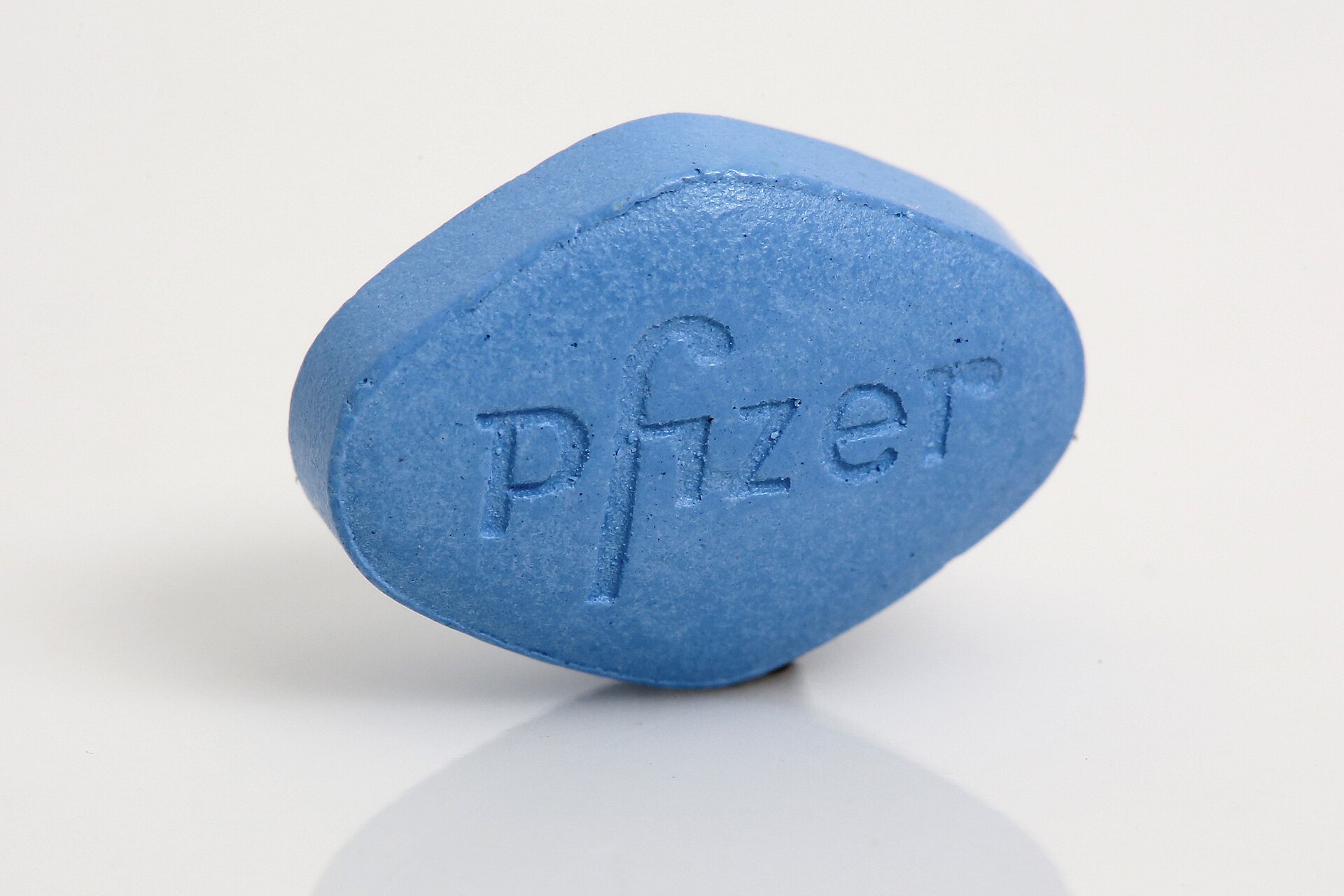
Pfizer patented sildenafil in 1996. The FDA approved it on March 27, 1998, as Viagra — the first oral medication ever approved specifically to treat erectile dysfunction in the United States. It became a cultural phenomenon almost overnight and, at its commercial peak in 2008, generated close to $2 billion a year in sales.
The part most people miss
Here’s the twist most retellings skip: sildenafil eventually did become a heart-and-lung drug after all — just not the one Pfizer originally set out to build. The same PDE5-blocking mechanism that failed to meaningfully help angina turned out to be genuinely effective at relaxing blood vessels in the lungs of patients with pulmonary arterial hypertension, a rare and serious condition where blood pressure in the lung arteries runs dangerously high. In June 2005, the FDA approved sildenafil for exactly that use, sold under a second brand name, Revatio, so patients wouldn’t confuse a heart medication with an erectile dysfunction pill picked up at the same pharmacy counter. The ‘failed’ heart drug had been right about its own chemistry all along — it just wasn’t right for the disease Pfizer first pointed it at.
Sources
Wikipedia’s entry on sildenafil documents the compound’s development timeline, the Sandwich, Kent research origins under Simon Campbell, the 1991 Phase I trials, the follow-up trials at Morriston Hospital, and the March 27, 1998 FDA approval.
Wikipedia’s entry on Ian Osterloh confirms his role as the Pfizer clinical physician who led the trials and identified the drug’s redirection toward erectile dysfunction treatment.
Reason magazine’s 20th-anniversary retrospective on Viagra lays out the two competing accounts of how the side effect was discovered — the widely repeated ‘unreturned pills’ story and John LaMattina’s nurses-and-embarrassment account — making clear that both versions circulate without a single definitive origin anecdote.
Explore more: More accidental inventions.
Viagra FAQs
Was Viagra really discovered by accident?
Yes, in the sense that it was developed as a treatment for angina and high blood pressure, not sexual dysfunction. When the heart benefits proved too weak during clinical trials in Wales in the early 1990s, Pfizer noticed the erectile side effect and redirected the whole program toward erectile dysfunction instead.
What was Viagra originally developed to treat?
Angina pectoris, the chest pain caused by reduced blood flow to the heart, and related cardiovascular conditions. Pfizer chemists were trying to build a PDE5 inhibitor that would widen coronary arteries.
Does sildenafil ever get used for heart problems today?
Yes. In 2005, the FDA approved sildenafil under the brand name Revatio for pulmonary arterial hypertension, high blood pressure in the lungs’ arteries — a legitimate cardiovascular use for the same compound found in Viagra.
Tales You Can Hold
Fun-facts books for curious kids, personalized books that star your child, and more from the FYI Tales Bookstore. Visit the Bookstore.
Photo: Ben Mills / Public domain, via Wikimedia Commons.