
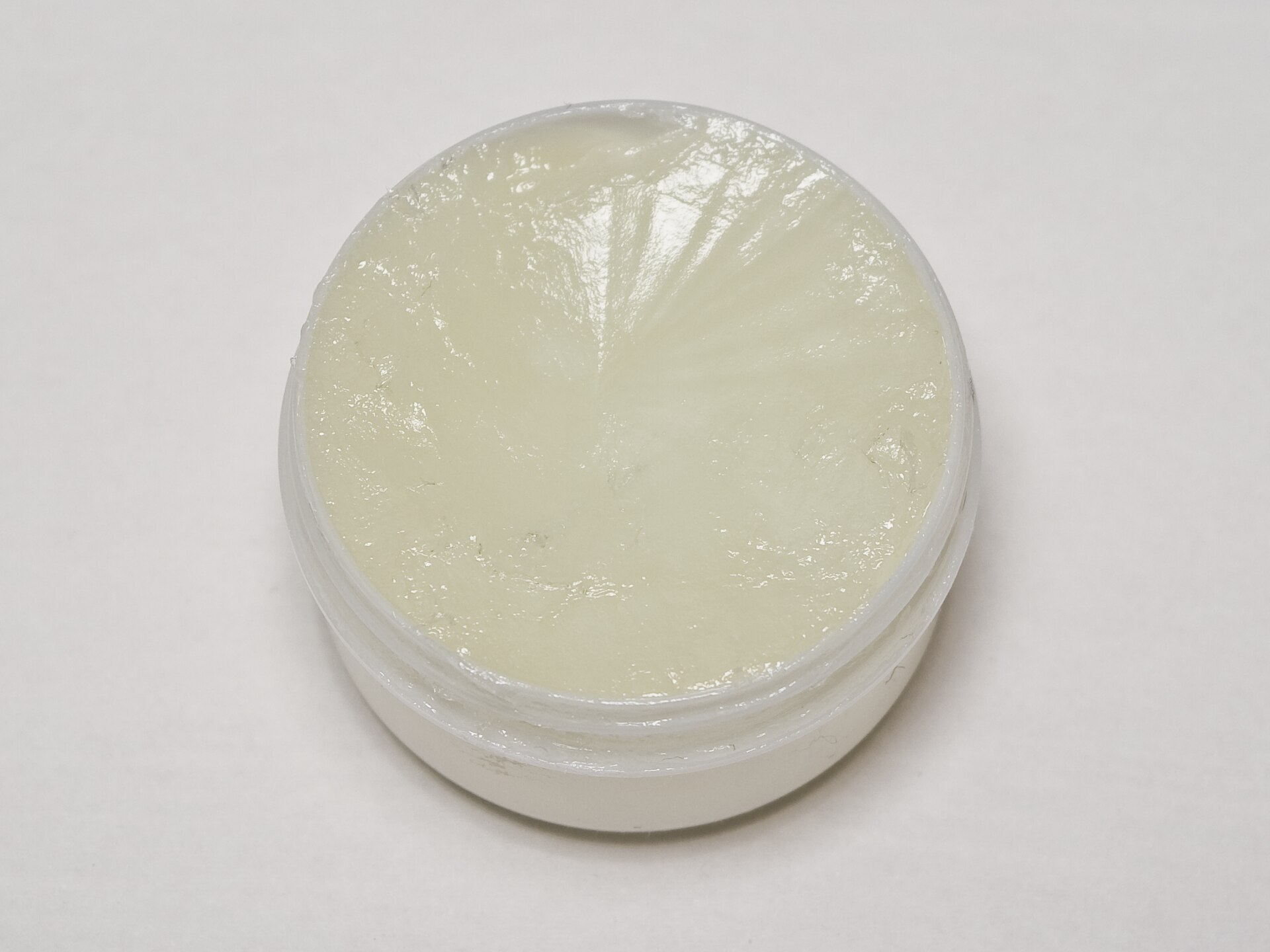
In 1859, on the oil rigs of Titusville, Pennsylvania, drilling crews kept running into the same annoyance: a pale, waxy gunk that built up on the sucker rods pumping crude out of the ground. It gummed up the equipment, forced crews to stop and scrape it off by hand, and earned itself a permanent spot on the list of things riggers cursed about the job.
Table of Contents
But the same crews had also figured out an off-label use for the stuff — smearing it on cuts and burns, because it seemed to help wounds heal faster and cleaner than leaving them exposed. A 22-year-old chemist named Robert Chesebrough noticed the same thing, and instead of shrugging it off, he took a jar of the gunk home to Brooklyn. What he did with it became a drugstore staple that’s still selling more than 150 years later.
Quick answer
Vaseline started as “rod wax,” a waxy residue that gummed up oil-drilling equipment near Titusville, Pennsylvania, in 1859. Chemist Robert Chesebrough noticed rig workers using it to treat cuts and burns, spent years refining it in his Brooklyn lab, and patented the purified product as “Vaseline” in 1872.
A nuisance no one wanted
Chesebrough wasn’t in the oil business — he clarified lamp oil from sperm whale oil, a trade that was suddenly worthless once Edwin Drake struck petroleum in Titusville and cheaper fuel started flooding the market. Rather than fight it, Chesebrough went to see the oil fields for himself, hoping he could find something useful to make from this new substance everyone was drilling for.
What he found wasn’t the oil itself, but the stuff nobody wanted: a paraffin-like wax that coated the pumping rods and clogged the wellheads, forcing crews to stop work and scrape it away. It was a maintenance headache — except riggers had also learned it was decent first aid. Smear a little on a scrape or a burn, and it seemed to speed up healing. There was no science behind the habit, just years of oilfield trial and error.
From rig grease to miracle jelly
Chesebrough carried samples of the rod wax back to his Brooklyn laboratory and spent the better part of a decade figuring out how to turn a drilling byproduct into something you’d actually want to put on your skin. He filed his first purification patent in 1865, refining the raw wax with heat and filtration to strip out the darker, impure components and leave behind a clear, stable jelly. He named the finished product Vaseline, reportedly blending the German word for water, wasser, with the Greek word for oil, elaion.
To sell it, Chesebrough leaned into showmanship. He’d burn or cut his own skin in front of onlookers — sometimes with acid, sometimes with an open flame — then coat the wound in his jelly to show it healing. He loaded a horse-drawn wagon with free sample jars and handed them out across New York, a free-sampling strategy that was unusual for the era. He opened a Brooklyn factory in 1870, secured a U.S. patent (No. 127,568) for the finished product on June 4, 1872, and by 1874 stores were reportedly moving more than 1,400 jars a day.
The part most people miss
The detail that gets repeated most about Chesebrough — that he ate a spoonful of Vaseline every single day and credited it for his long life — actually checks out, according to a fact-check by Snopes that traced it to a letter Chesebrough himself wrote on March 2, 1933, describing his daily habit of ingesting more than a teaspoon of the jelly. He died that September at 96, still crediting it. But a second, equally popular add-on to the legend — that he once cured a bout of pleurisy by having a nurse coat his entire body in Vaseline — has shown up in books, blogs, and even Ripley’s Believe It or Not! without ever being traced back to a real primary source. It’s a good reminder that even a well-documented invention story can pick up unverifiable flourishes the more times it gets retold.
Sources
Wikipedia’s entries on Robert Chesebrough and on Vaseline, covering his biography, the 1865 and 1872 patents, and the product’s name origin and corporate history.
The American Oil & Gas Historical Society’s account of the sucker rod wax discovery and Chesebrough’s early years in the Pennsylvania oilfields.
Snopes’ fact-check on Chesebrough’s claim to have eaten petroleum jelly daily, which cites his own March 2, 1933 letter and notes the unverified pleurisy story.
Explore more: more accidental inventions.
vaseline FAQs
What is “rod wax”?
Rod wax, also called sucker rod wax, is a waxy, paraffin-like residue that built up on the pumping rods of early oil rigs, clogging equipment and forcing crews to stop and scrape it off.
Did the inventor of Vaseline really eat it every day?
According to a 1933 letter Chesebrough wrote shortly before his death, yes — he claimed to eat more than a teaspoon daily and credited it with his long life. A separate story about him curing pleurisy with a full-body Vaseline coating is unverified.
When was Vaseline patented?
Robert Chesebrough received U.S. Patent 127,568 for his petroleum jelly product on June 4, 1872, after first patenting a petroleum purification method in 1865.
Where does the name “Vaseline” come from?
It’s generally attributed to a blend of the German word wasser (water) and the Greek word elaion (oil).
Tales You Can Hold
Fun-facts books for curious kids, personalized books that star your child, and more from the FYI Tales Bookstore. Visit the Bookstore.
Photo: Kiyok / CC BY-SA 3.0, via Wikimedia Commons.