
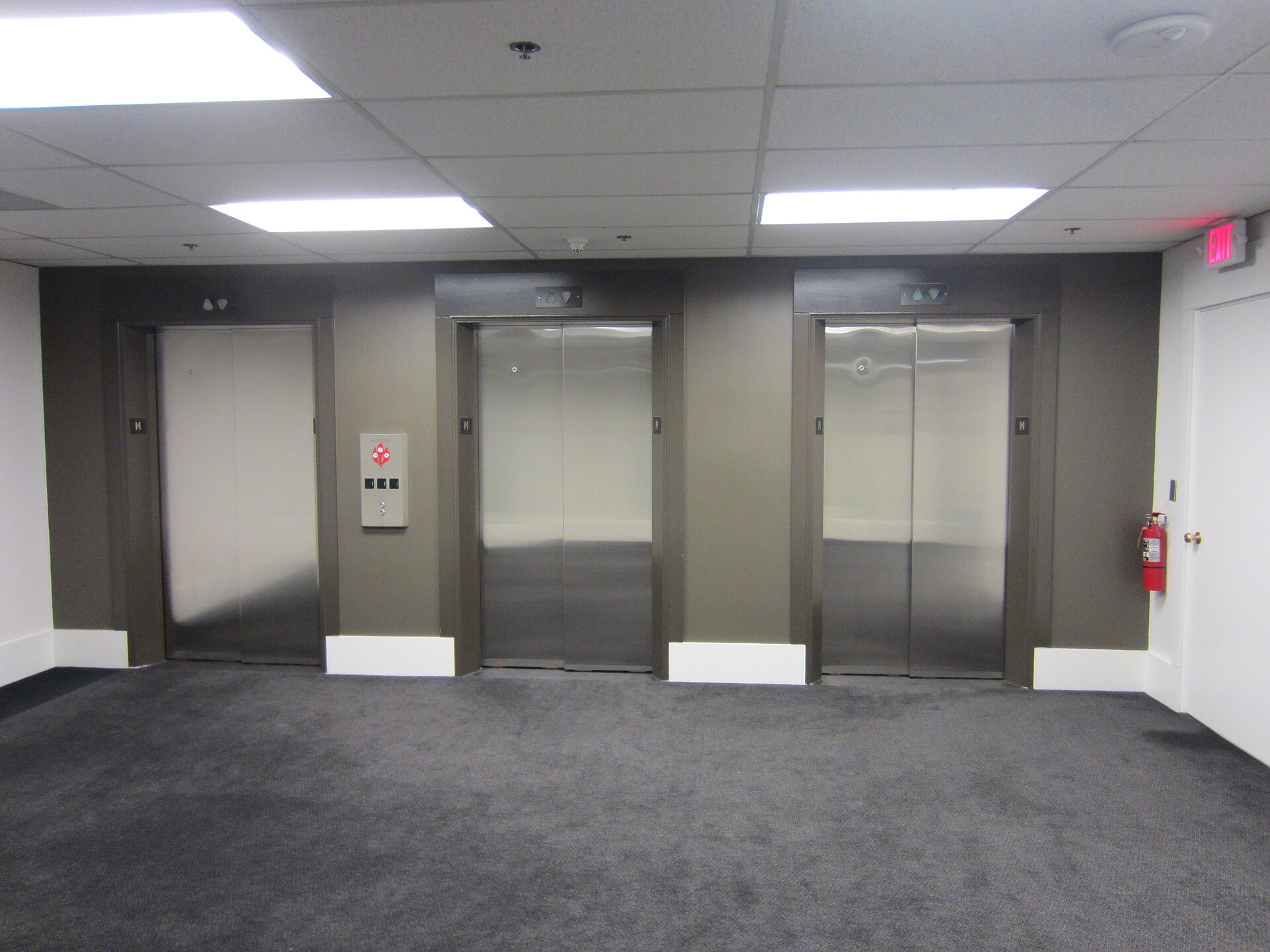
Somewhere in America right now, someone is standing in an elevator, jabbing the button with two triangles pointing at each other, absolutely certain it’s doing something. It isn’t. Or, more precisely, it almost never is — and the reason has nothing to do with cheap manufacturing or an elevator company that got lazy with the wiring.
Table of Contents
The real story involves a 1990 civil rights law, a museum curator with thousands of elevator parts in a collection, and a radio show that turned a hallway superstition into a viral fact. But here’s the twist nobody mentions when they repeat the trivia: the two loudest authorities on the subject — a federal-law explanation from the elevator trade group and a hands-on-the-hardware claim from an elevator historian — don’t actually agree on what’s happening inside the wall.

Quick answer
Two different, only partly compatible explanations circulate for why the close-door button doesn’t seem to work: the elevator industry’s trade group says the buttons are wired but effectively overridden by a 1990 accessibility law that sets a minimum door-open time, while an elevator museum curator says a large share of buttons were simply never connected to anything in the first place. Both are treated as fact online; only one comes from someone who has opened up the panels.
The button that outlived its own reason to exist
Door-close buttons showed up on elevator panels well before anyone worried about accessibility — building owners wanted a way to hustle passengers along and squeeze more trips out of a car during rush hour. For decades, pressing it did exactly what it looked like it should do: it cut the wait short and closed the doors immediately.
Then came the Americans with Disabilities Act, signed in 1990. Its accessibility guidelines specify how long elevator doors have to remain open at each stop, giving someone using a cane, crutches, or a wheelchair enough time to get across the threshold. Karen W. Penafiel, then executive director of the trade group National Elevator Industry Inc., told the New York Times in October 2016 that once that legal minimum kicks in, “the riding public would not be able to make those doors close any faster” — her explanation for why, in her account, the buttons still exist but rarely have any window left to act in.
How a hallway habit became an internet fact
That’s the tidy version. But the story that actually went viral came from somewhere else entirely. In a 2014 Radiolab segment called ‘Buttons Not Buttons,’ producer Latif Nasser visited the Elevator Museum in Long Island City, New York, where curator Patrick Carr made a much blunter claim than anything about ADA timing. Asked why the buttons don’t work, Carr didn’t mention the law at all. “Because they were never wired up,” he said. “Never. Most of the time we don’t do it. About 80 percent of them don’t work.”
That’s a different failure mode than Penafiel’s. Penafiel describes buttons that are wired and functional but neutralized by a legal minimum hold time. Carr describes buttons that were never connected to the control system to begin with, an installation shortcut with nothing to do with disability law. Both claims got quoted everywhere as if they were the same fact, and they got compressed into one tidy narrative that the button is ‘fake.’ In reality, elevator company employees have pushed back publicly, in comment sections and on the button’s Wikipedia entry, insisting plenty of close-door buttons are wired and do work under specific conditions — meaning nobody has actually settled which explanation covers more elevators, or whether both are true in different buildings.
The part most people miss
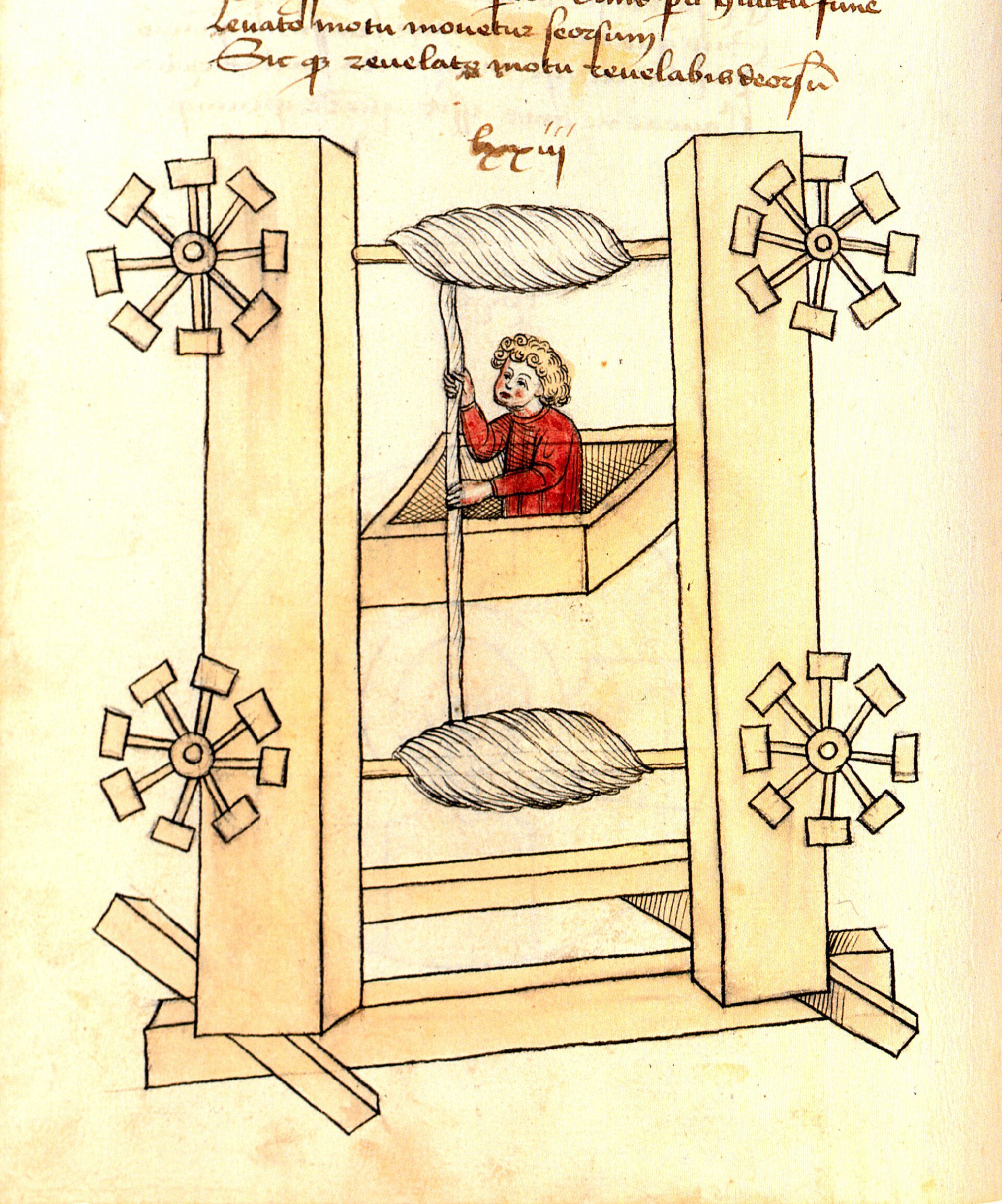
Whichever explanation applies to the elevator you’re standing in, the button almost certainly still has a job to do somewhere in the building’s wiring — just not for you. Elevator safety code (ASME A17.1, the standard inspectors test against) requires a functioning close-door capability for fire service operations, so that firefighters or maintenance staff can use a key switch to override the standard hold time and shut the doors on demand. That requirement is also why Carr’s 80 percent figure, striking as it is, comes from one curator’s estimate rather than an industry-wide audit — nobody has published a study checking a representative sample of elevators to see whether ‘never wired’ or ‘wired but overridden’ is the more common story. The honest answer is that both mechanisms are real, both have been confirmed by people who work on elevators for a living, and the popular retelling just quietly picked the more dramatic one and dropped the disagreement.
Sources
The New York Times, ‘Explaining a Mystery: Why Don’t Elevator ‘Door Close’ Buttons Work?’ (October 27, 2016), featuring comments from Karen W. Penafiel of National Elevator Industry Inc.
Radiolab, ‘Buttons Not Buttons’ (2014), featuring curator Patrick Carr of the Elevator Museum in Long Island City, New York, stating that roughly 80 percent of close-door buttons he’s encountered were never wired up.
U.S. Access Board, Americans with Disabilities Act Accessibility Guidelines, on minimum elevator door-open time requirements at each landing.
Explore more: More true stories behind everyday objects.
elevator close-door button FAQs
Does the elevator close-door button actually do anything?
It depends who you ask: the elevator trade group says the buttons are wired but effectively overridden by an ADA-mandated minimum door-open time, while an elevator museum curator says a large share were simply never wired up at all. Either way, pressing it usually accomplishes nothing.
Why was the close-door button disabled in the first place?
According to the National Elevator Industry trade group, it wasn’t deliberately disabled — the Americans with Disabilities Act of 1990 introduced minimum door-open times so people using mobility aids have enough time to board, which overrides the button’s original speed-up function. A separate account from an elevator museum curator says many buttons were simply never connected to the system, unrelated to the law.
Is it true that 80% of close-door buttons are fake?
That figure comes from a 2014 Radiolab interview with elevator museum curator Patrick Carr, who said about 80 percent of buttons he’s seen were never wired up. It’s a widely repeated estimate from one collector’s experience, not an industry-wide study, and elevator company employees have publicly disputed how universal it is.
Who can actually make elevator doors close faster?
Building staff, elevator technicians, and firefighters can use a key or access code to trigger a fire-service or maintenance mode that lets the close-door function override the standard hold time.
Tales You Can Hold
Fun-facts books for curious kids, personalized books that star your child, and more from the FYI Tales Bookstore. Visit the Bookstore.
Photo: Another Believer / CC BY-SA 3.0, via Wikimedia Commons.