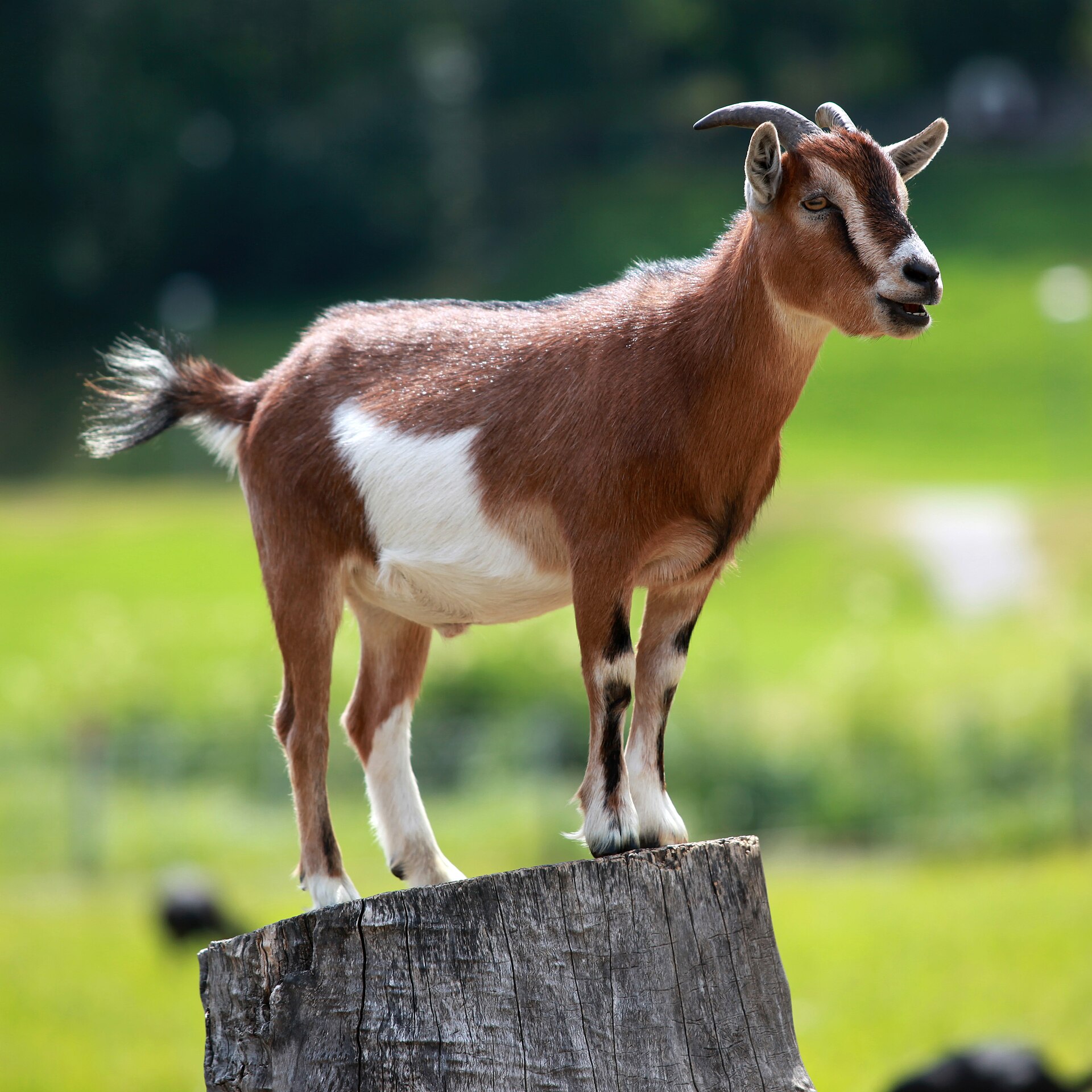
A goat kid is born bleating like its mother. Give it five weeks in a pen with a different crowd, and it starts bleating like them instead — same rough pitch, same contours, close enough that a spectrogram can tell you which pen a kid grew up in almost as easily as its genes can.
Table of Contents
That’s not a cute exaggeration. It’s the finding of a real bioacoustics study out of Queen Mary University of London, and it landed goats in a very short, very strange club of animals that can actually learn to change the sound of their own voice.
Quick answer
Yes, in a documented sense: a 2012 study by researchers Elodie Briefer and Alan McElligott found that goat kids raised together develop increasingly similar contact calls as they age, even when they’re only half-related — evidence their calls are shaped by social environment, not just genetics, much like a regional accent.
Four pens, four broods, one recorder
Briefer and McElligott, then at Queen Mary’s School of Biological and Chemical Sciences, set up an experiment with pygmy goats organized into four groups of full and half siblings — kids that shared one parent but were raised apart from some of their relatives and alongside others. It’s the kind of setup you’d design if you wanted to separate ‘this call sounds like family’ from ‘this call sounds like the crowd I grew up in.’
They recorded the kids’ contact calls — the short bleats goats use to keep track of each other — at two points: around one week old, when kids mostly stay hidden near their mothers, and again around five weeks old, once they’d started forming peer groups the researchers called crèches, essentially goat daycare.
The calls converge
At one week, the differences were mostly genetic: full siblings sounded more alike than half siblings, roughly what you’d expect from inherited vocal anatomy. But by five weeks, something else showed up in the data. Half siblings raised in the same social group had calls that were more similar to each other than half siblings of the same relatedness who’d been split into different groups — and those calls kept converging the longer the kids spent together.
In plain terms: hanging out with the same herd mates for a month was enough to nudge a kid’s voice toward theirs, on top of whatever genetics had already set. The paper, published in the journal Animal Behaviour in 2012, called this evidence of vocal plasticity — the ability to modify your own vocalizations in response to what you’re hearing around you, rather than producing a fixed, hardwired call for life.
The part most people miss
Here’s the detail that got researchers, not just headline writers, excited: before this study, the ability to actually learn and adjust vocal sounds — as opposed to being born with a fixed repertoire — had really only been confirmed in a handful of mammals with famously complex vocal systems, like bats and cetaceans, plus humans and a few bird groups such as songbirds and parrots. Goats have none of that reputation. They’re not known for vocal virtuosity. That’s exactly why finding vocal plasticity in an otherwise ‘ordinary’ vocalizer mattered — it suggested this kind of flexibility might be more widespread across mammals than scientists had assumed, and hinted at one of the small evolutionary steps that, much further down some other branch of the tree, eventually led to human speech. McElligott also pointed out the more grounded implication: it’s a reminder that farm animals have cognitive and social complexity that’s easy to underestimate, with real consequences for how we think about their welfare.
Sources
Queen Mary University of London’s press release, ‘Goat kids develop accents’ (2012), summarizing the study and quoting Dr. Elodie Briefer and Dr. Alan McElligott.
Briefer, E. F., and McElligott, A. G., ‘Social effects on vocal ontogeny in an ungulate, the goat, Capra hircus,’ Animal Behaviour, volume 83, issue 4 (2012), pages 991–1000 — the peer-reviewed study itself.
NPR, ‘You Say ‘Nay,’ I Say ‘Neigh’: Goats Have Accents’ (February 18, 2012), which covered the findings and their significance for the study of vocal learning in mammals.
Explore more: more true tales from the wild animal kingdom.
goats FAQs
Do adult goats have accents too, or is this just kids?
The documented study tracked kids from one to five weeks old, the window when their social groups were forming. There isn’t a confirmed study showing the same shift happens in adult goats moved to a new herd, so the ‘accent’ finding is specifically about early development.
Is this the same as goats mimicking human speech or accents?
No. The study measured goat-to-goat contact calls converging within social groups of goats, not goats imitating human voices or words.
What other animals are known to have this kind of vocal learning?
Before this study, confirmed vocal learners were mostly limited to humans, some bats, cetaceans like dolphins and whales, and a few bird groups such as songbirds and parrots — goats were a surprising addition to that list.
Why does it matter if goats can adjust their calls?
It suggests vocal plasticity may be more common across mammals than scientists thought, and it points to one of the small evolutionary building blocks that may underlie how complex vocal communication, including human language, developed.
Tales You Can Hold
Fun-facts books for curious kids, personalized books that star your child, and more from the FYI Tales Bookstore. Visit the Bookstore.
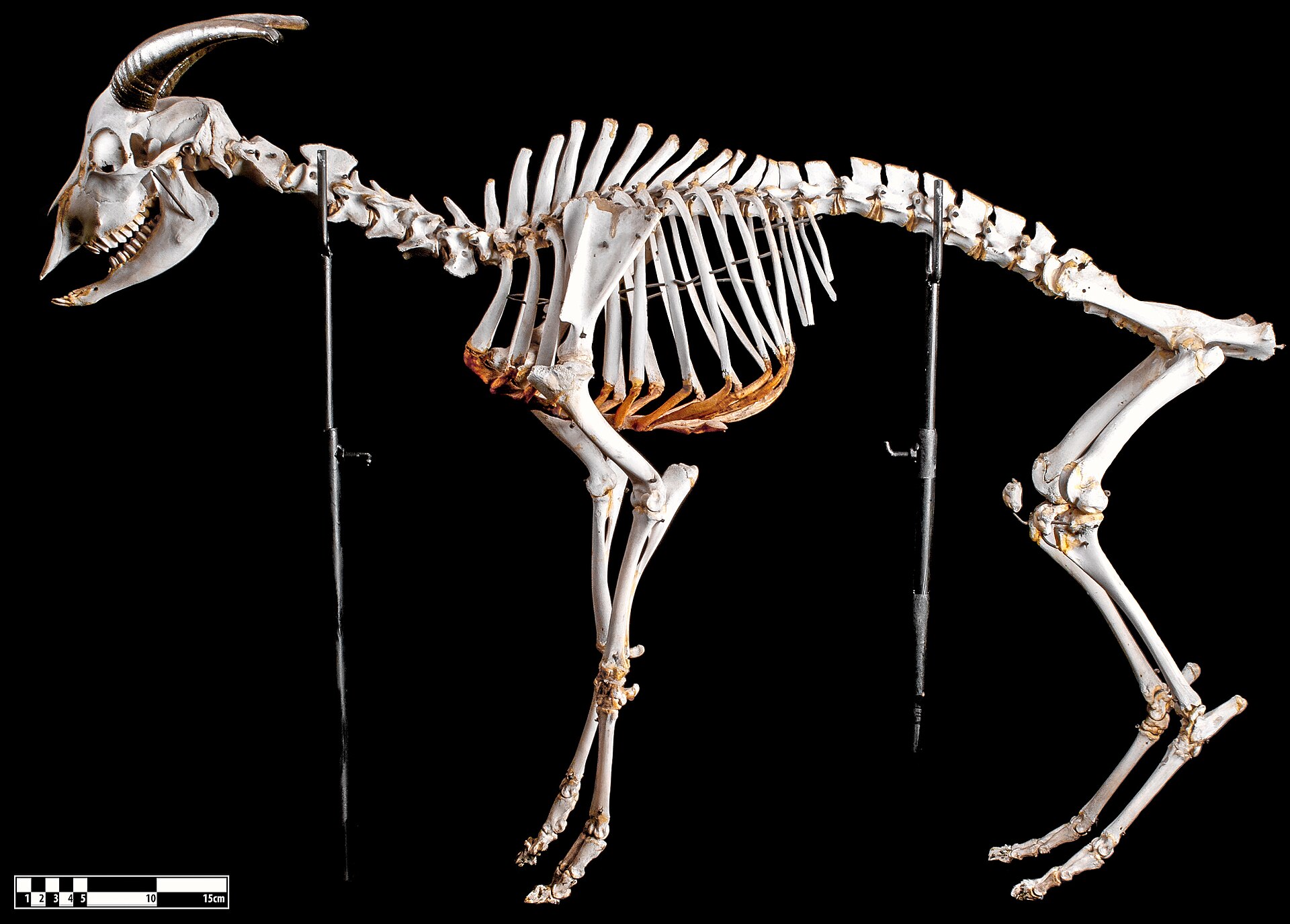
Photo: Kuebi = Armin Kübelbeck / CC BY-SA 3.0, via Wikimedia Commons.