
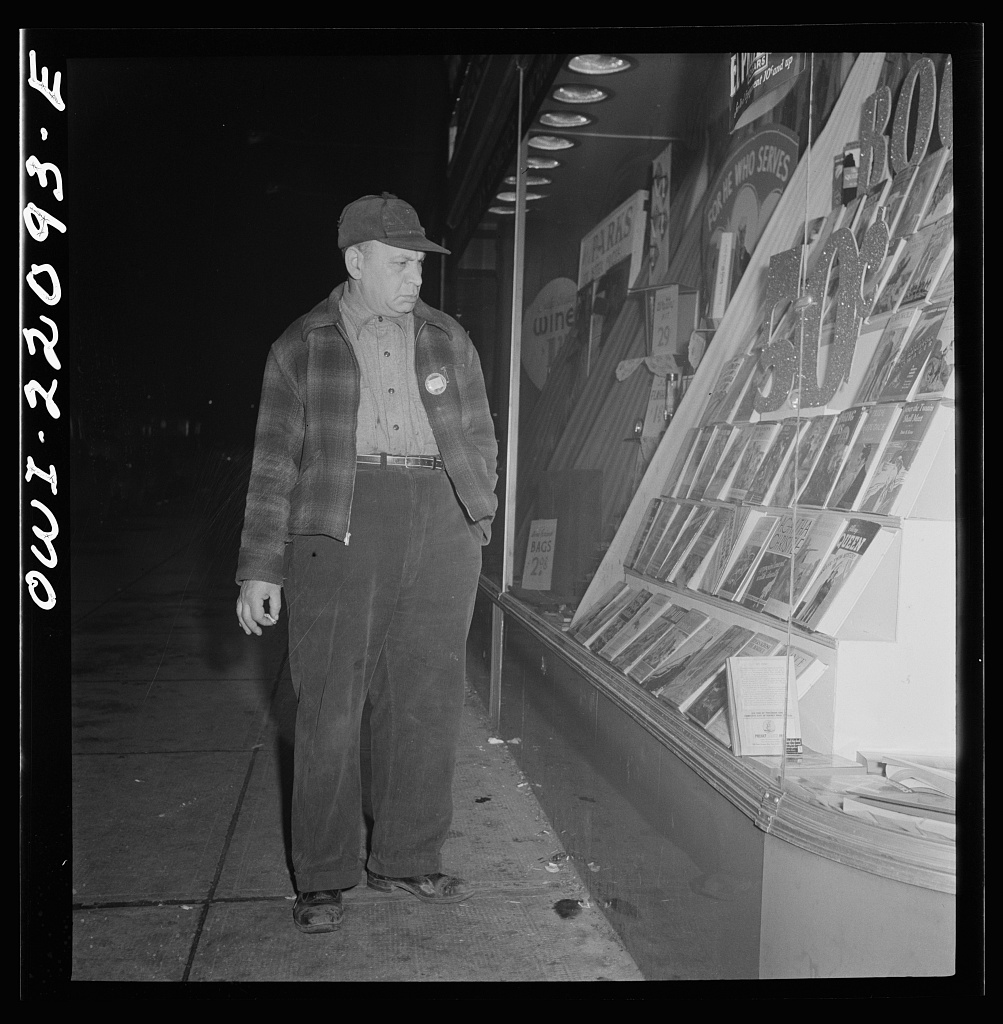
Picture a Victorian graveyard at midnight: a lone watchman pacing between headstones, ears tuned for a bell ringing up through the dirt, the signal that whoever’s in that coffin isn’t actually dead. That’s the story most people have heard about why the overnight work shift is called the ‘graveyard shift’ — someone, somewhere, was literally watching graves. It’s a terrific story.
Table of Contents
It’s also, according to every etymologist who has actually gone digging through old newspapers for evidence, nonsense. The real origin doesn’t involve a single corpse. It involves a mine in Arizona, a superintendent named Hammond, and a work schedule so quiet and dark it just felt like a graveyard.
Quick answer
The graveyard shift (the overnight work shift, roughly midnight to 8 a.m.) got its name because those hours felt as dark, quiet, and lonely as a cemetery — not because anyone was ever stationed to guard against premature burial. The earliest documented print use, found by etymologists searching 19th-century newspapers and trade journals, comes from mining, not from any burial-watch practice.
An Arizona mine, 1884
The oldest confirmed appearance of the phrase ‘graveyard shift’ in print comes from a trade paper called The Mining Record, dated August 9, 1884. Etymologist David Wilton, who runs the reference site Wordorigins.org and cross-checks his findings against the Oxford English Dictionary and Green’s Dictionary of Slang, tracked down the actual line: ‘On Monday afternoon superintendent Hammond received a telegram directing him to resume operations in the mine, and at 6 P.M. the graveyard shift went below, while the whistle sounded loud and long, confirming the good news.’
Mining is the key detail. Underground mines, unlike most 19th-century workplaces, had every reason to run around the clock — daylight didn’t reach the shafts anyway, so there was no efficiency lost by working at 2 a.m. instead of 2 p.m. By the 1890s, Colorado court records were casually defining the graveyard shift as the crew that worked ‘from midnight on to the morning,’ as if the term needed no further explanation. It had already become ordinary industry slang.
Sailors keep watch too
Mining wasn’t the only trade grinding through the dead of night. Sailors had long split their watches into shifts, and the darkest, loneliest one — midnight to four in the morning — picked up its own version of the nickname: the ‘graveyard watch.’ A 1927 nautical glossary by Gershom Bradford defined it plainly as ‘the middle watch or 12 to 4 a.m., because of the number of disasters that occur at this time,’ linking the name to danger and gloom rather than to cemeteries.
By 1897, the phrase had surfaced in civilian print too — the Salt Lake Tribune ran a line about ‘Sergeant John Burbidge the graveyard shift.’ And by 1908, the Saturday Evening Post used ‘graveyard shift’ as if every reader already knew it meant ‘the interval between 12 midnight and eight in the morning.’ As factories, mills, and eventually hospitals and police departments adopted round-the-clock schedules through the early 1900s, the name rode along with them. Nobody in any of these citations is guarding a grave. They’re describing a mood: empty streets, dim lighting, and the particular loneliness of being awake while the rest of the world sleeps.
The part most people miss
Here’s the twist: the buried-alive story didn’t emerge gradually as folklore usually does. Fact-checkers at outlets like AAP FactCheck have traced it to a specific chain email, popularly titled ‘Life in the 1500s,’ that spread widely by 1999 and bundled several phrases together — claiming ‘graveyard shift,’ ‘dead ringer,’ and ‘saved by the bell’ all descended from a supposed historical practice of tying a string from a corpse’s finger to an above-ground bell, in case the person had been buried alive. It’s a matched set of fake etymologies, not three separate legends that happened to agree. And each one falls apart on its own: ‘dead ringer’ actually comes from 19th-century horse racing slang for a fraudulent lookalike substituted into a race, and ‘saved by the bell’ is boxing terminology, documented in print as far back as a February 1909 issue of the Galveston Daily News, describing a fighter rescued from a knockout by the bell ending the round. The graveyard shift simply never needed rescuing from anything — it was mislabeled from the start.
Sources
David Wilton, Wordorigins.org, entry on ‘graveyard shift,’ citing the Oxford English Dictionary and Green’s Dictionary of Slang.
Gary Martin, The Phrase Finder (phrases.org.uk), ‘Graveyard Shift — Meaning & Origin.’
AAP FactCheck, ‘Phrase origins linked to burials is dead wrong.’
Explore more: more word and phrase origin stories.
graveyard shift FAQs
Does ‘graveyard shift’ have anything to do with people being buried alive?
No. That story traces back to a 1999 chain email, not to any historical practice. Etymologists find no evidence connecting the phrase to grave-watching or safety coffins.
What’s the earliest known use of ‘graveyard shift’ in print?
August 9, 1884, in a trade paper called The Mining Record, describing an Arizona mine crew going underground at 6 p.m. under superintendent Hammond.
Why is it called the ‘graveyard’ shift instead of something else?
Because the overnight hours felt as dark, empty, and quiet as a cemetery. Sailors used a nearly identical term, ‘graveyard watch,’ for the same reason.
Are ‘dead ringer’ and ‘saved by the bell’ also fake burial legends?
The burial explanation for both is fake, yes — but the real origins are unrelated to graveyard shift. ‘Dead ringer’ comes from horse racing, and ‘saved by the bell’ comes from boxing.
Tales You Can Hold
Fun-facts books for curious kids, personalized books that star your child, and more from the FYI Tales Bookstore. Visit the Bookstore.
Photo: Marjory Collins / Public domain, via Wikimedia Commons.