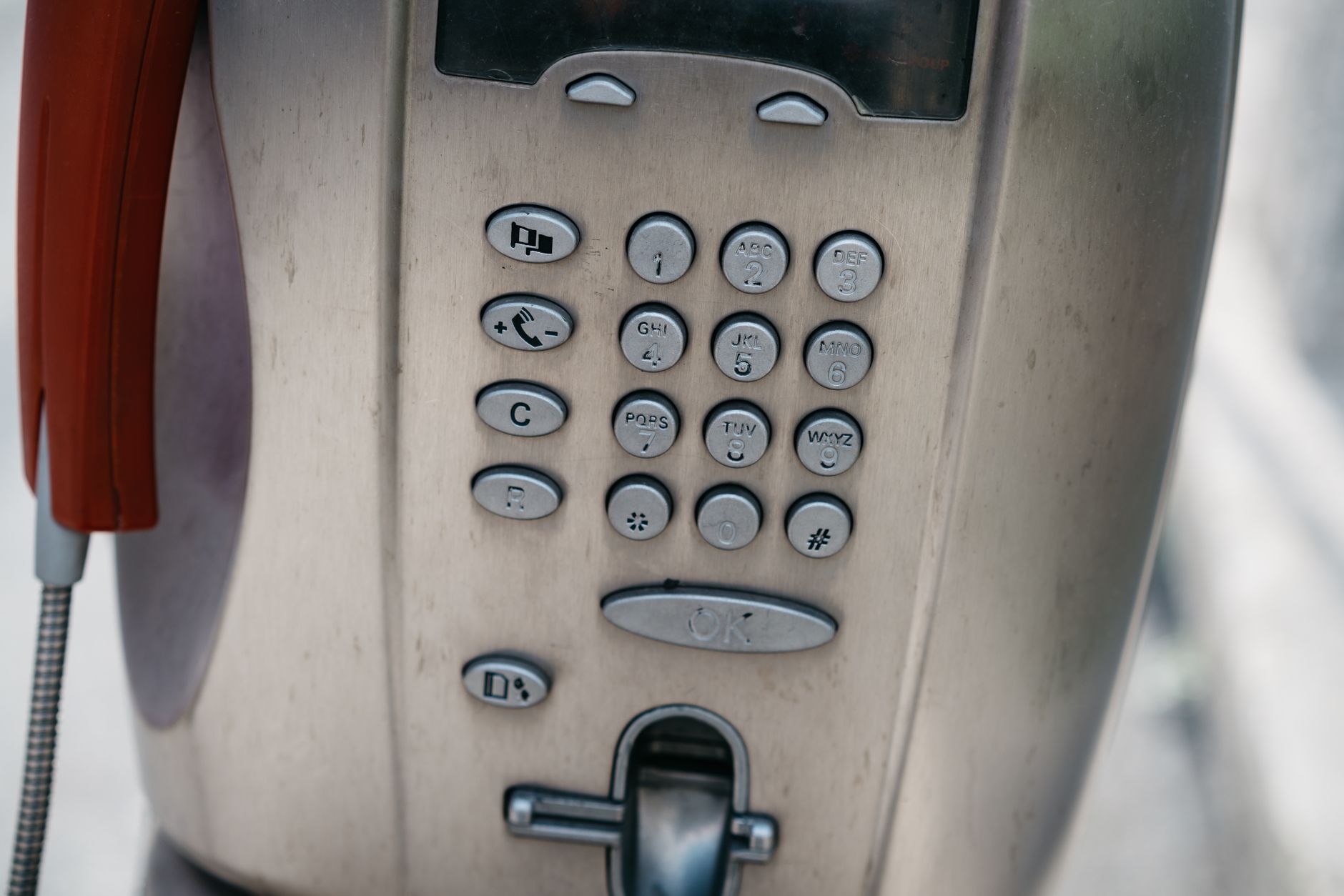
The symbol # has been called pound sign, number sign, hash, and — since the 1960s — the octothorpe, a name that sounds like a Victorian villain and comes, improbably, from the telephone company. When Bell Labs designed the push-button telephone keypad in the early 1960s, they added two non-digit keys: the star (*) and the #. The # needed a name for technical documentation, and somewhere inside Bell Labs, “octothorpe” appeared.
Table of Contents
The suspiciously fuzzy origin
Here’s the fun part: even Bell’s own people never agreed on where the word came from. “Octo” clearly nods to the symbol’s eight points. The “thorpe” is the mystery, and the competing stories include: a tribute to Olympic athlete Jim Thorpe (championed by one engineer who was reportedly campaigning for the restoration of Thorpe’s medals); an Old Norse/Old English word for village (“thorp” — the # allegedly resembling a village square surrounded by eight fields); and the confession, attributed to at least one Bell veteran, that it was simply a made-up word intended to be silly — possibly engineered to be hard for foreign telecom delegates to pronounce.
No definitive memo has ever surfaced. The best documented trail shows the word (in spellings like “octatherp” and “octothorp”) circulating at Bell Labs in the mid-1960s, then hardening into official telecom vocabulary — it appears in international standards documents for telephone keypads.
Centuries older than the phone
The symbol itself long predates its weird name. It likely evolved from lb — the abbreviation for the Latin libra pondo, “pound by weight” — scribbled fast enough that the letters merged into crosshatch. That’s why Americans call # the “pound sign,” and why the symbol appears on weights and invoices going back centuries.
The part most people miss
When Chris Messina proposed using # to group topics on Twitter in 2007, the platform’s founders reportedly dismissed the idea as too nerdy. The users disagreed, and “hashtag” became one of the fastest-adopted words in modern English — the third or fourth name in the symbol’s long career, and certainly not its last.
More secret word history: the medieval phrase hiding inside “o’clock”.
Sources
- Bell System technical publications and veteran accounts (multiple retrospectives)
- Keith Houston, Shady Characters: The Secret Life of Punctuation — octothorpe chapter
- Chris Messina — first hashtag proposal (2007, documented tweet)