
Somewhere right now, someone is explaining to a kid that “Wi-Fi” stands for “Wireless Fidelity,” the same way their parents explained it to them. It sounds right. It has that confident, textbook ring to it, like “laser” standing for “light amplification by stimulated emission of radiation.” There’s just one problem: the people who actually named Wi-Fi say that’s not true, and one of them has spent years trying to correct the record.
Table of Contents
The real story starts not with an engineer, but with a branding agency, a conference room full of nervous network executives in 1999, and a naming contest that also seriously considered calling your home internet connection “FlankSpeed.”
Quick answer
Wi-Fi doesn’t officially stand for anything. It was coined in 1999 by the branding firm Interbrand for the Wireless Ethernet Compatibility Alliance (WECA, later the Wi-Fi Alliance) as a snappy, “Hi-Fi”-style name for IEEE 802.11b wireless networking. “Wireless Fidelity” was a tagline added afterward to make the invented word feel more official — and the Alliance quietly dropped it.
A branding firm, not an engineer, named it
In 1999, a group of tech companies — including 3Com, Nokia, Lucent, Aironet, Harris Semiconductor, and Symbol Technologies — banded together to promote a new wireless networking standard with the deeply unlovable name IEEE 802.11b. They called their group the Wireless Ethernet Compatibility Alliance, or WECA, which is not much better.
WECA knew consumers would never ask a Best Buy clerk for “802.11b compatible” gear, so they hired Interbrand, a branding consultancy, to come up with something a normal person could say out loud. Interbrand handed back a shortlist of about ten options. One of them, confirmed by founding Alliance member Phil Belanger, was “FlankSpeed.” The committee picked “Wi-Fi” instead — a nod to “Hi-Fi,” the old audio-equipment shorthand for high fidelity, meant to borrow that same sense of trustworthy quality.
The backronym nobody asked for
Here’s the part that caused decades of confusion: “Wi-Fi” was never built to be an acronym. It was a made-up word, meant to be memorable, not literal. But according to Belanger, some of the founding member companies got cold feet. They worried customers and journalists wouldn’t accept a brand-new word without some kind of literal explanation bolted onto it.
So the Alliance added a tagline: “The Standard for Wireless Fidelity.” It showed up on early marketing materials and trade-show swag starting around 2000. Belanger has since called it a mistake — a clumsy attempt to retrofit meaning onto a name that never needed one, especially since “wireless fidelity” isn’t even a coherent technical phrase. High-fidelity audio describes how faithfully a speaker reproduces sound; there’s no equivalent “fidelity” being measured in a Wi-Fi signal. The Alliance retired the tagline within months, but by then it had already done its damage, seeding a myth that outlived the slogan itself.
The part most people miss
The myth didn’t just survive — it got semi-official cover. Years after the Alliance stopped using the tagline, other organizations kept repeating it as fact, including, at one point, language on IEEE’s own site describing Wi-Fi as short for “Wireless Fidelity.” That’s the irony: the group that invented the term abandoned the explanation almost immediately, but the explanation had already escaped into textbooks, tech-support scripts, and casual trivia long before anyone thought to correct it. Wi-Fi isn’t unique in being a name chosen purely because it was catchy and trademarkable rather than because it stood for anything — George Eastman did the same thing with “Kodak” back in the 1890s, picking it specifically because the word resembled nothing and meant nothing in any language, which was exactly the point.
Sources
TechRadar’s reporting on the Wi-Fi naming history and Interbrand’s involvement.
Tom’s Guide’s feature revisiting what Wi-Fi actually stands for.
Wi-Fi Networking News’ account of Phil Belanger’s disclosure that “FlankSpeed” was a rejected candidate name, and the Wikipedia entries on Wi-Fi and the Wi-Fi Alliance for founding dates and organizational history.
Explore more: more real stories behind everyday words and phrases.
Wi-Fi FAQs
Does Wi-Fi actually stand for “Wireless Fidelity”?
No. Wi-Fi is a made-up brand name coined by the branding firm Interbrand in 1999. “The Standard for Wireless Fidelity” was a marketing tagline added afterward, not the source of the name, and the Wi-Fi Alliance stopped using it.
Who actually came up with the name Wi-Fi?
The branding consultancy Interbrand created it for the Wireless Ethernet Compatibility Alliance (WECA), the industry group that later renamed itself the Wi-Fi Alliance in 2002.
What other names were considered instead of Wi-Fi?
Founding Wi-Fi Alliance member Phil Belanger has confirmed “FlankSpeed” was among roughly ten candidate names Interbrand pitched before the group settled on Wi-Fi.
Why does Wi-Fi sound like “Hi-Fi”?
That was intentional. Interbrand wanted the new wireless standard to borrow the trusted, quality-signaling feel of “Hi-Fi” (high fidelity), the old term for quality audio equipment.
Tales You Can Hold
Fun-facts books for curious kids, personalized books that star your child, and more from the FYI Tales Bookstore. Visit the Bookstore.
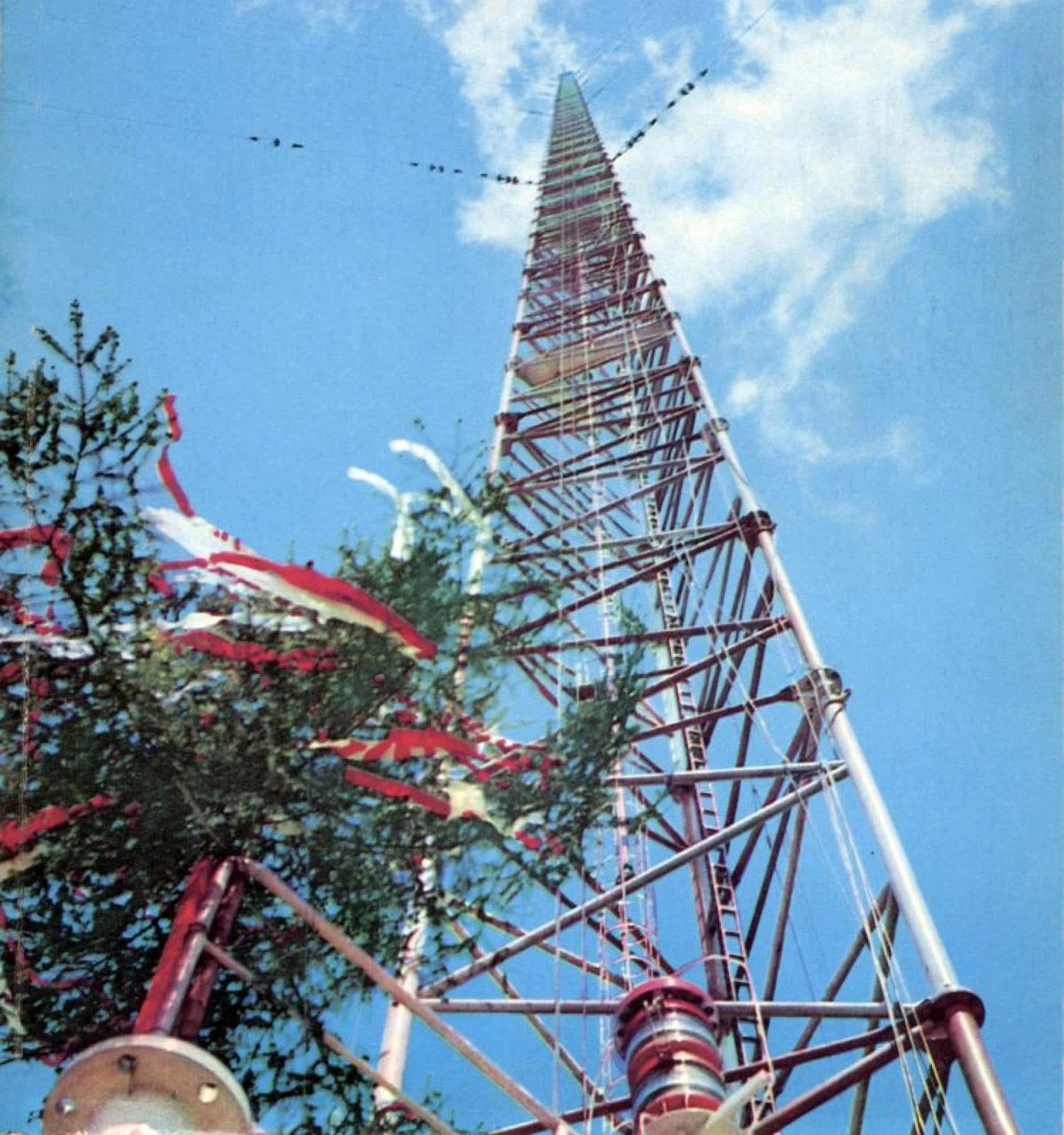
Photo: R. Kreyser / Public domain, via Wikimedia Commons.